Event Details
This event finished on 07 December 2012
- Categories: Exhibitions
- Tags: Plantilla histórica
09.14 — 12.07.2012
Guest curator: Frédéric Paul
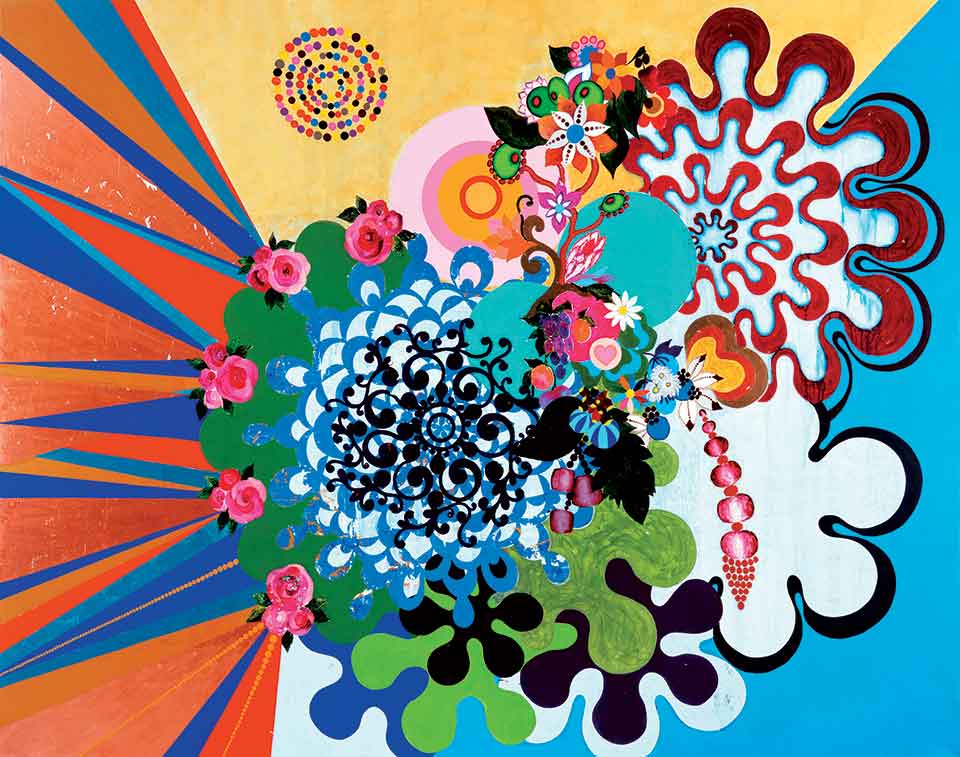
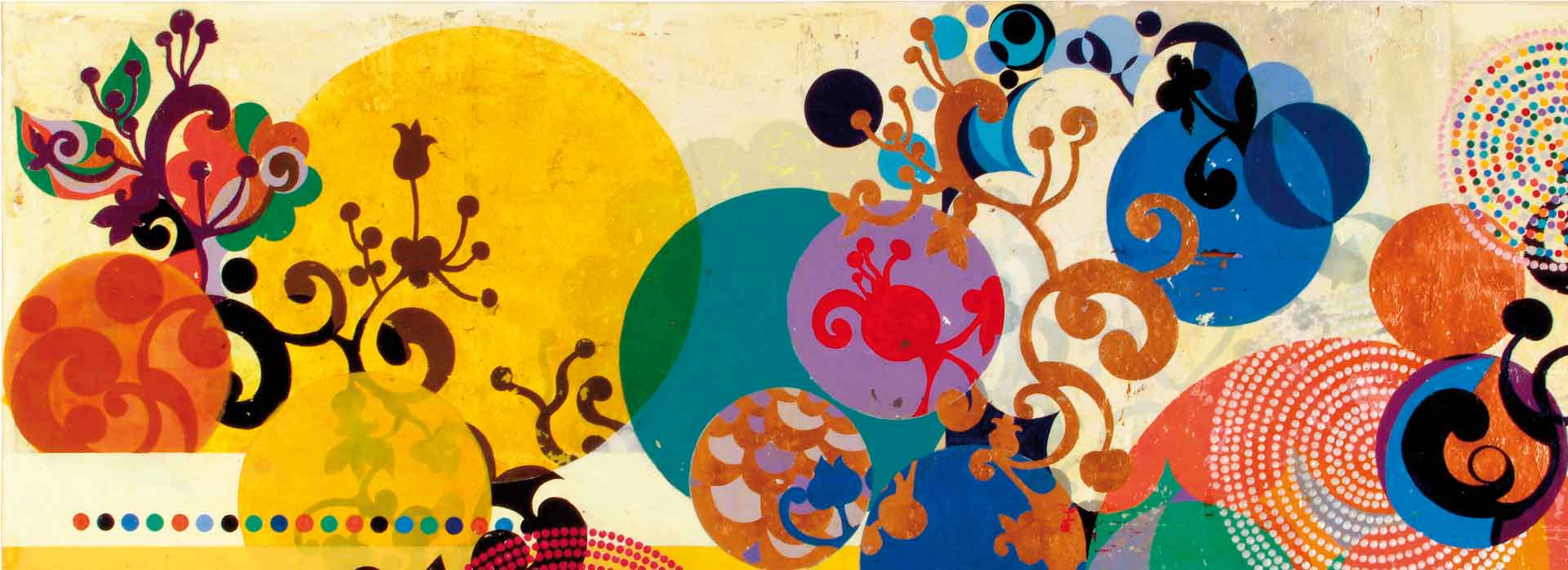
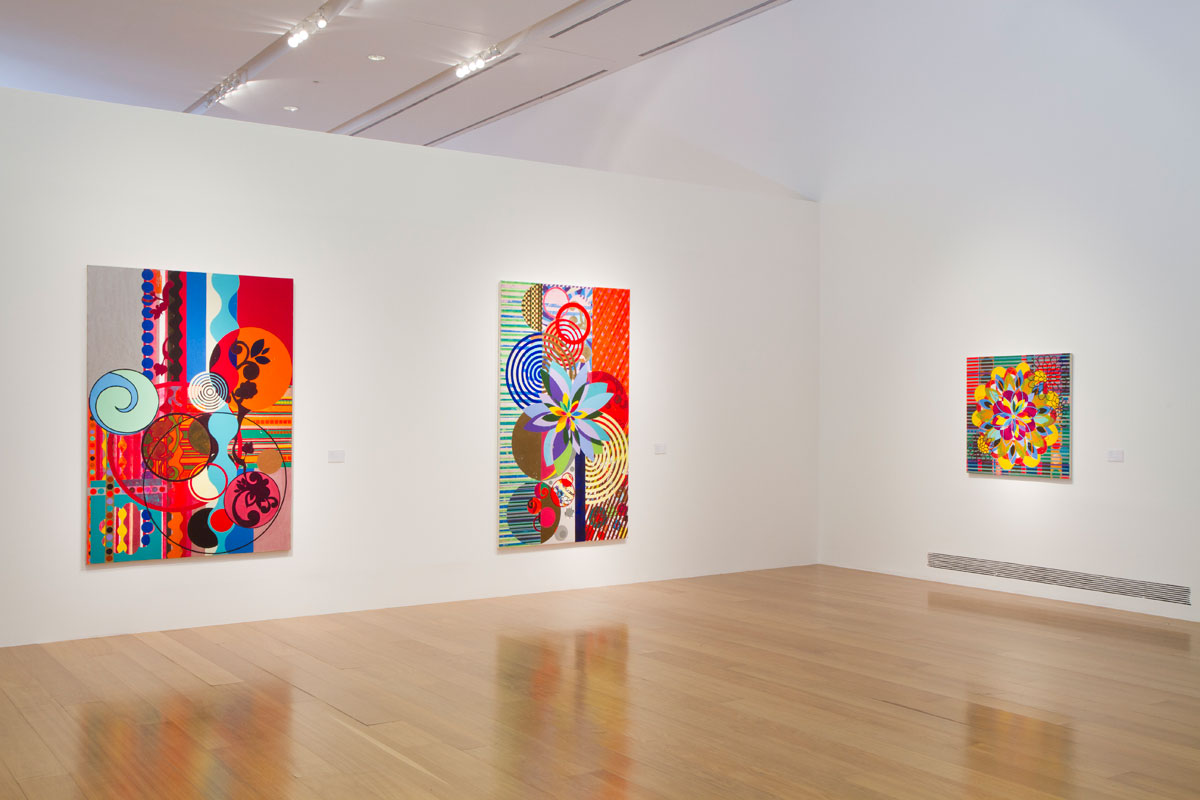
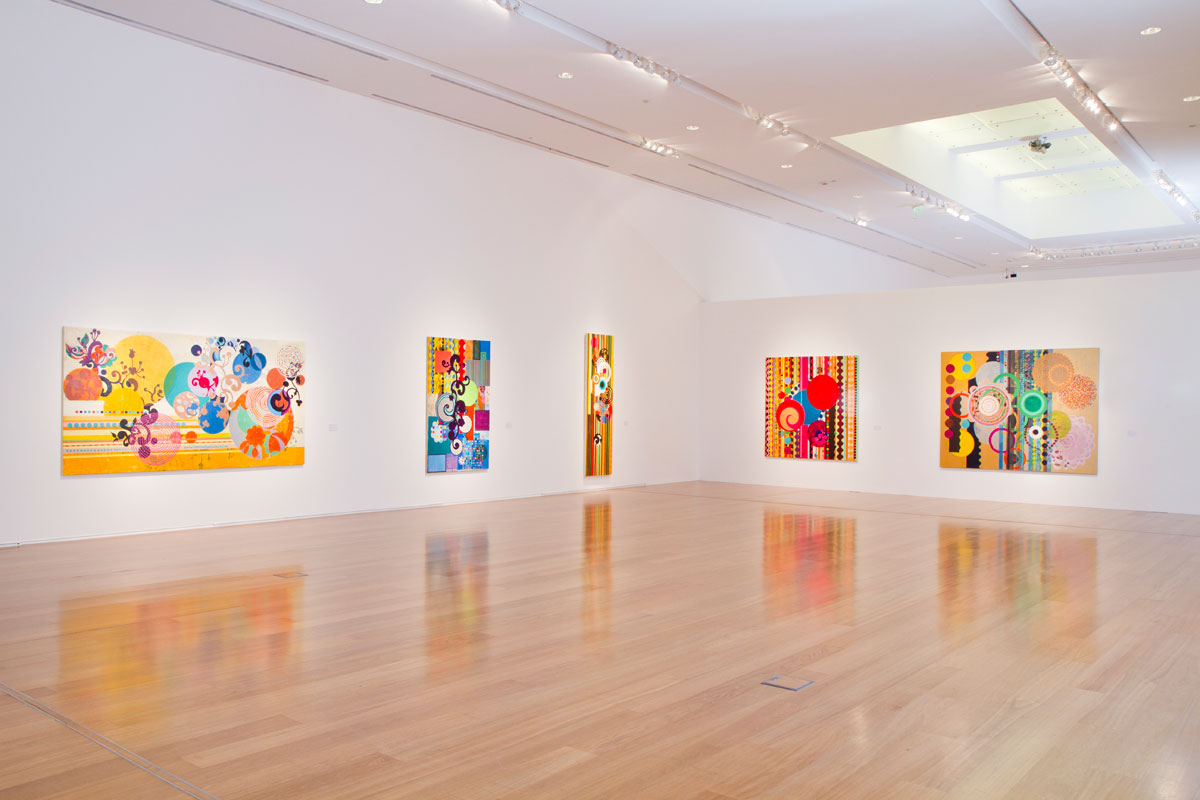
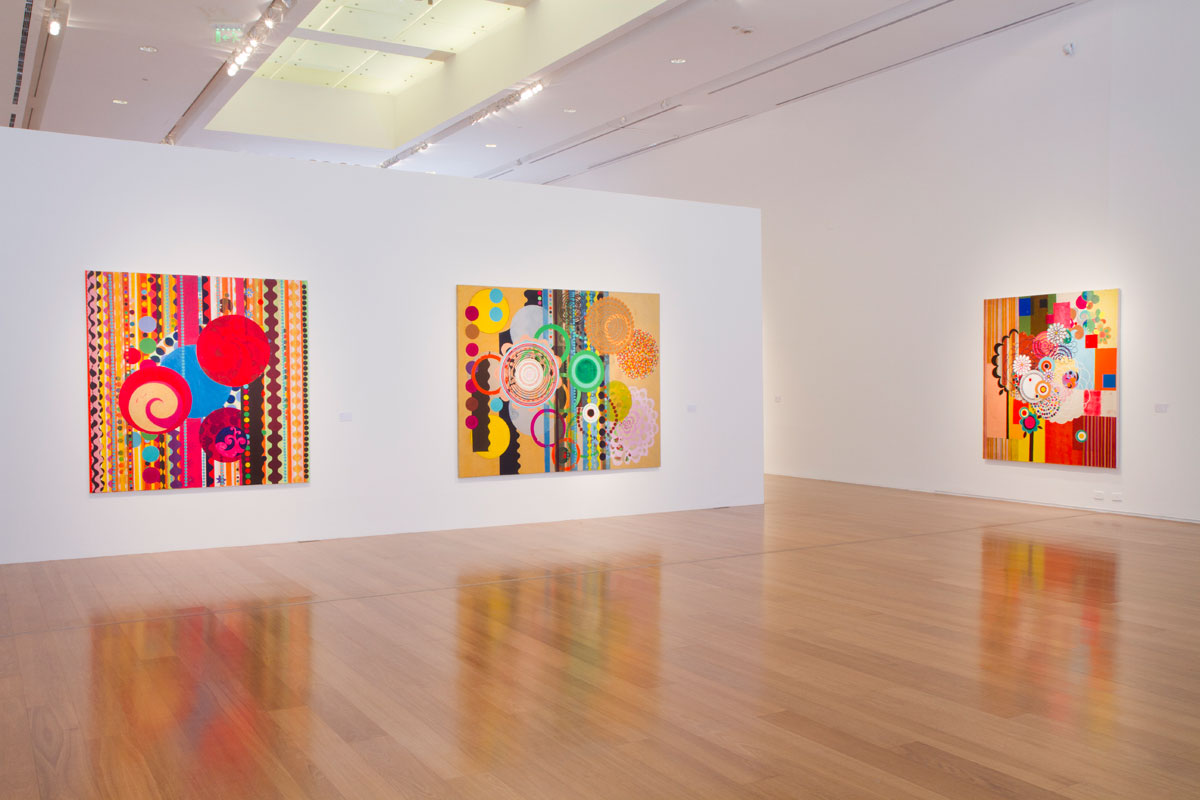
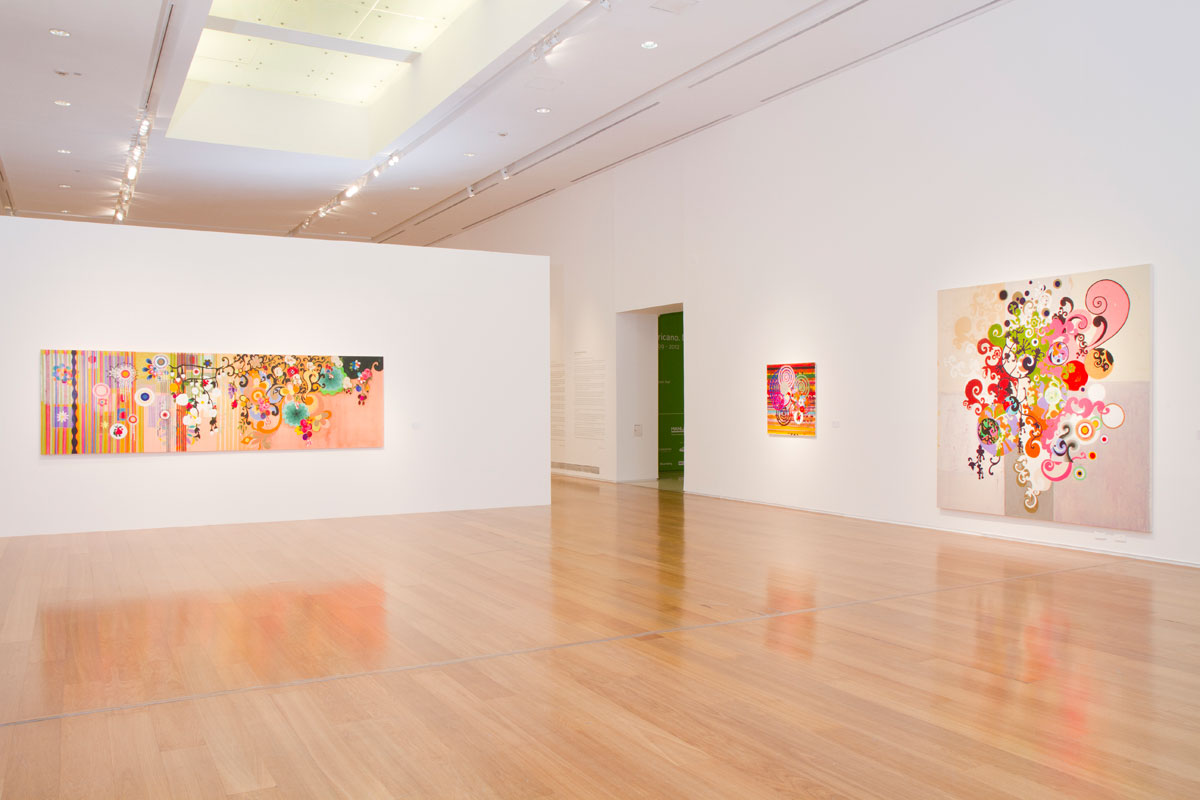
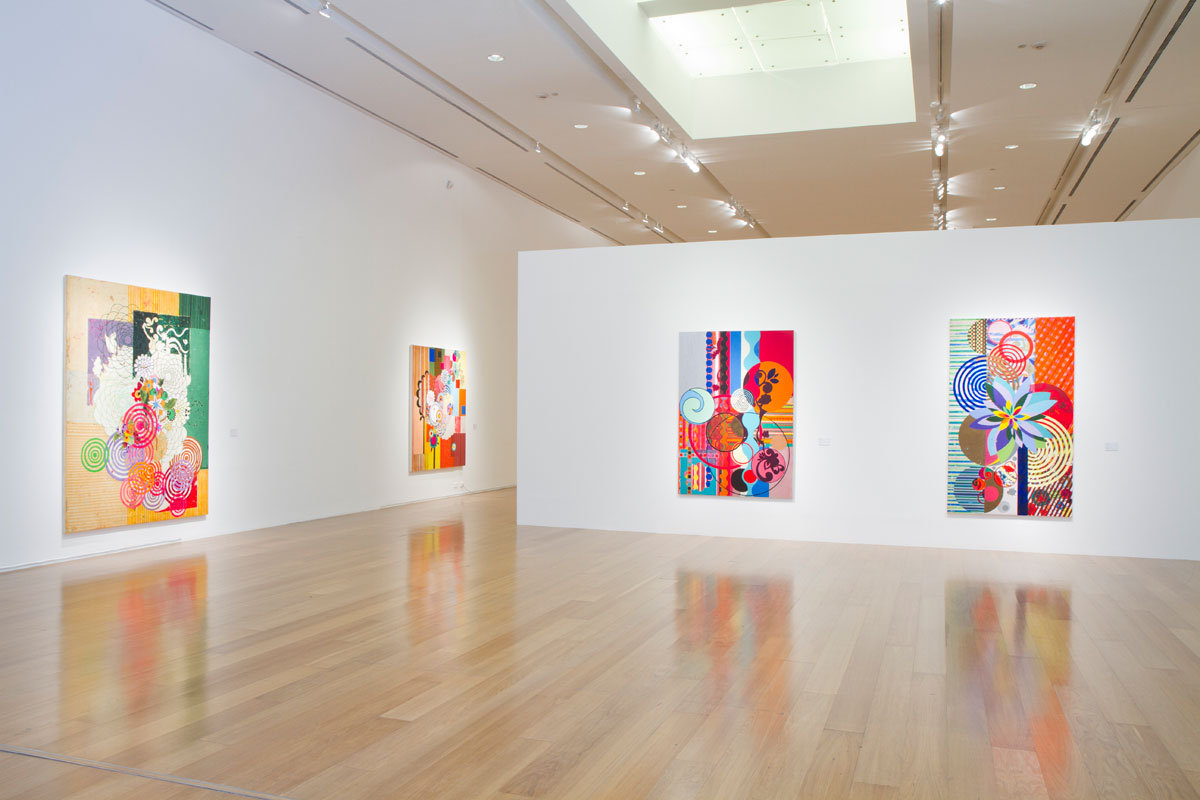
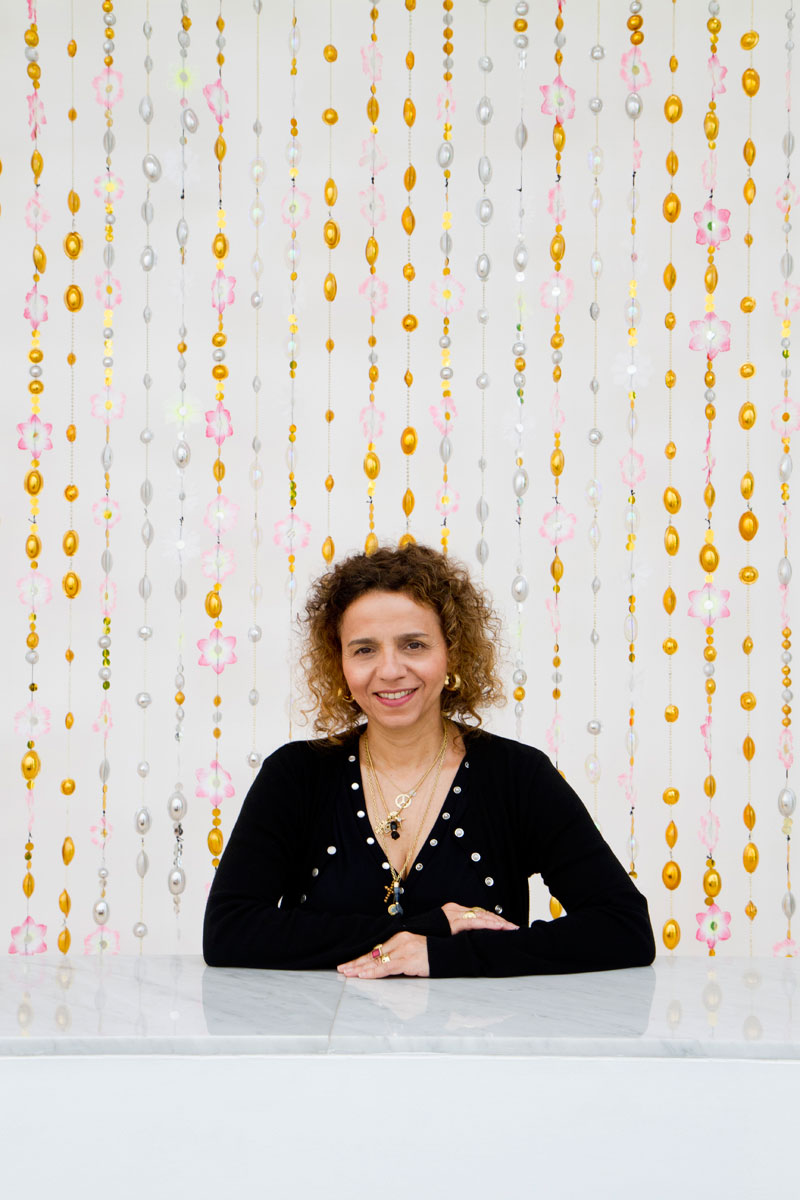
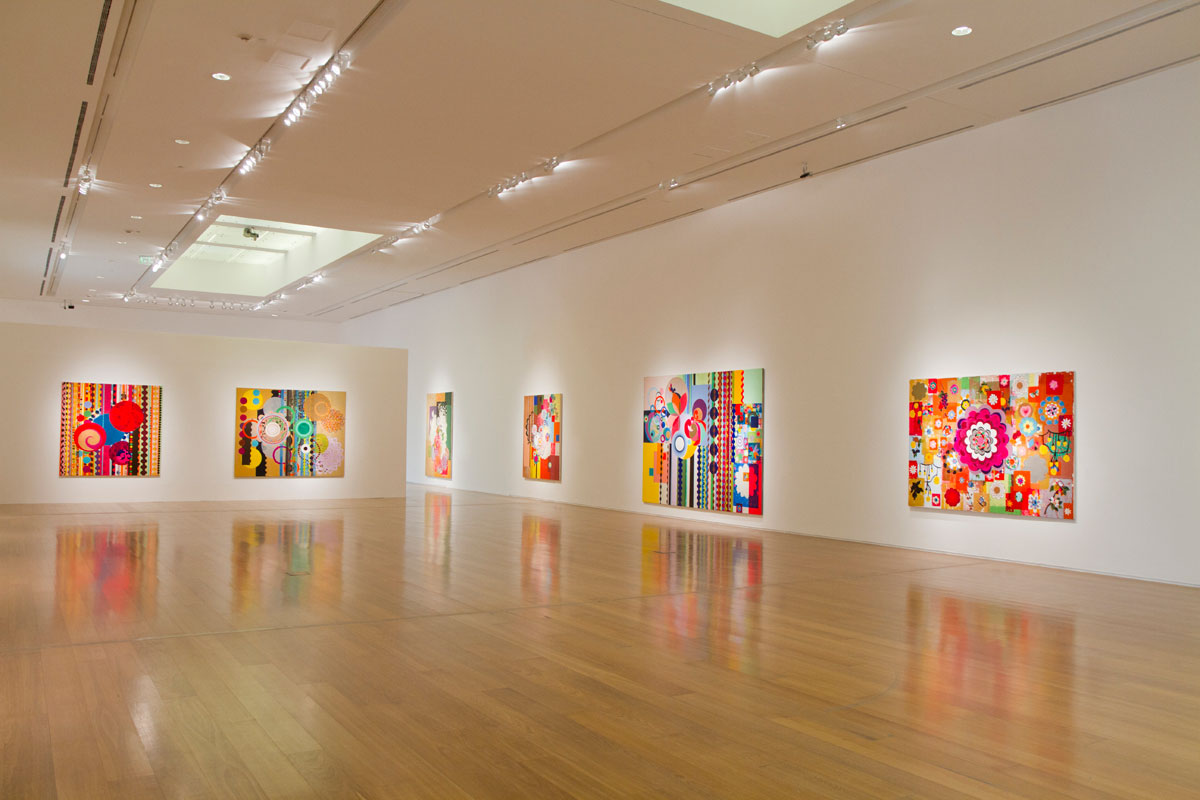
A selection of nearly 30 paintings from the recent work of renowned artist Beatriz Milhazes (born in 1960 in Rio de Janeiro, where she lives and works), as well as a scenographic intervention designed especially for the museum's second-floor gallery. This is Milhazes' first solo exhibition in a Latin American institution outside her home country, and it is produced entirely by Malba.
Curated by Frenchman Frédéric Paul, the exhibition focuses on the artist's last 10 years of work and brings together pieces mostly from private and public collections in Brazil and the United States, including two works on loan for the first time from the Guggenheim Museum in New York and one from the Museu de Arte Moderna in São Paulo. For the local public, it will also be an opportunity to relocate two important works from Eduardo F. Costantini's personal collection: O mágico (2001) and Pierrot e Colombina (2009-10), which open and close this remarkable decade.
"Her work had to gain recognition abroad in order to break out of the isolation in which the artist, as a painter adept at using unprejudiced colors, felt confined in her own country. Indeed, no one had painted like her in Brazil, where to the untrained eye it seemed too familiar and, to others, not entirely compatible with the national modernist mold, even though one of the great virtues of her work is precisely its fusion of popular sources with the lessons of Matisse and Mondrian," says curator Frédéric Paul.
This exhibition is part of Brazil Month in Argentina, organized by the Brazilian Embassy in Buenos Aires.
Beatriz Milhazes
Rio de Janeiro, 1960. She is a painter, engraver, and teacher. She began her career in the visual arts in 1980, when she enrolled at the Escola de Artes Visuais do Parque Lage (EAV/Parque Lage) -School of Visual Arts of Parque Lage-, where she later taught classes and coordinated cultural activities.
She participated in exhibitions by Generación 80—a group of artists who sought to revive painting in contrast to the conceptual trend of the 1970s—and is known for her exploration of new techniques and materials. Her work references the Baroque, the works of Tarsila do Amaral (1886-1973) and Burle Marx (1909-1994), ornamental standards, and Art Deco.
Between 1997 and 2005, she participated in the Guest Artist Program at various universities in the United States, including Wichita University (Kansas), Tyler University (Philadelphia), Yale University (New Haven, Connecticut), and Massachusetts College of Art and Design (Boston). In 1995, she participated in the Carnegie International in Pittsburgh. In 2003, she represented Brazil at the Venice Biennale, and in 2004, she participated in the 26th International Biennial of São Paulo. Since the 1990s, she has held international exhibitions in the United States, Europe, and Asia. She recently held solo exhibitions at the Pinacoteca do Estado de São Paulo (2008), Fondation Cartier, Paris (2009), Fondation Beyeler, Basel (2011), and Calouste Gulbenkian Foundation, Lisbon (2012).
Her works are included in the collections of museums such as the Museum of Modern Art (MoMA), Solomon R. Guggenheim Museum, and The Metropolitan Museum of Art (Met) in New York, and the Museo Nacional Centro de Arte Reina Sofía in Madrid, Spain, among others.
She is represented by James Cohan Gallery, New York; Fortes Vilaça Gallery, São Paulo; Stephen Friedman Gallery, London; and Max Hetzler Gallery, Berlin. Since 1996, she has collaborated with Durham Press (silkscreen prints) and since 1994 she has been the set designer for Márcia Milhazes' dance company in Rio de Janeiro.
Working method
In 1989, Beatriz Milhazes perfected a technique of successive extensions, similar to decals, in which each motif and layer of color is applied separately to give the paintings their structure, syntax, and particular vibration. “They are transferred to the canvas through successive collages of fragments previously painted on transparent plastic sheets, which the artist positions and assembles with extreme precision before finally fixing them to the expanding whole that the painting represents,” explains Paul.
Between 1999 and 2012, Milhazes expanded her experience with other forms of expression: silkscreen prints since 1996, artist's books since 2002, collages since 2003, architectural commissions since 2004, and three-dimensional works since 2010, taken from the stage designs he began creating in 1994 for her sister Márcia Milhazes' dance company.
“Until 1996, I was exclusively a painter, and painting remains at the center of my art; but I can't paint all the time. I need to take breaks, although I never like to stop painting altogether,” says the artist in a conversation with musician Arto Lindsay. In order to grasp the consequences of this intermittency, the exhibition focuses precisely on the paintings.