Collection

History

Since Arte en América Latina, the exhibition with which Malba opened its doors in September 2001, the museum's collection has been decisively transformed and expanded. Its holdings began with the founding donation made by Eduardo F. Costantini: 220 works of Latin American art from his private collection. Over these decades, the collection has grown through new donations and acquisitions, and equally through the research underpinning the museum's curatorial and publishing programs, which has built around it a dense fabric of critical readings. Malba has thus developed a plurality of reflections on its collection, on its own configuration and on the narrative it proposes.

The origins of these holdings lie in the collecting profile Costantini consolidated during the 1990s. As he himself has stated, his strategy consists in acquiring outstanding works, distinguished by their historical circulation, by canonical artists of Latin American art. This acquisition logic situates the collection within the global circuits of art.
latinoamericano. Esa lógica de adquisición inscribe al acervo en los circuitos globales del arte.

On this foundation, the Malba–Costantini Collection has established itself as a global reference point for Latin American art. In 2025 these holdings took a significant leap in scale: Eduardo F. Costantini acquired the Daros Latinamerica Collection, comprising 1,233 works by 117 artists from the region, produced mainly between the 1950s and the 2010s. The acquisition strengthens periods and movements already central to the collection—geometric abstraction, Nueva Figuración, Conceptual art—and adds iconic works by major Latin American artists not previously represented. With it, the body of modern and contemporary Latin American art assembled by Malba and its founder has nearly doubled in size: it now comprises some 3,000 works and ranks among the largest and most important in the world.

Highlights

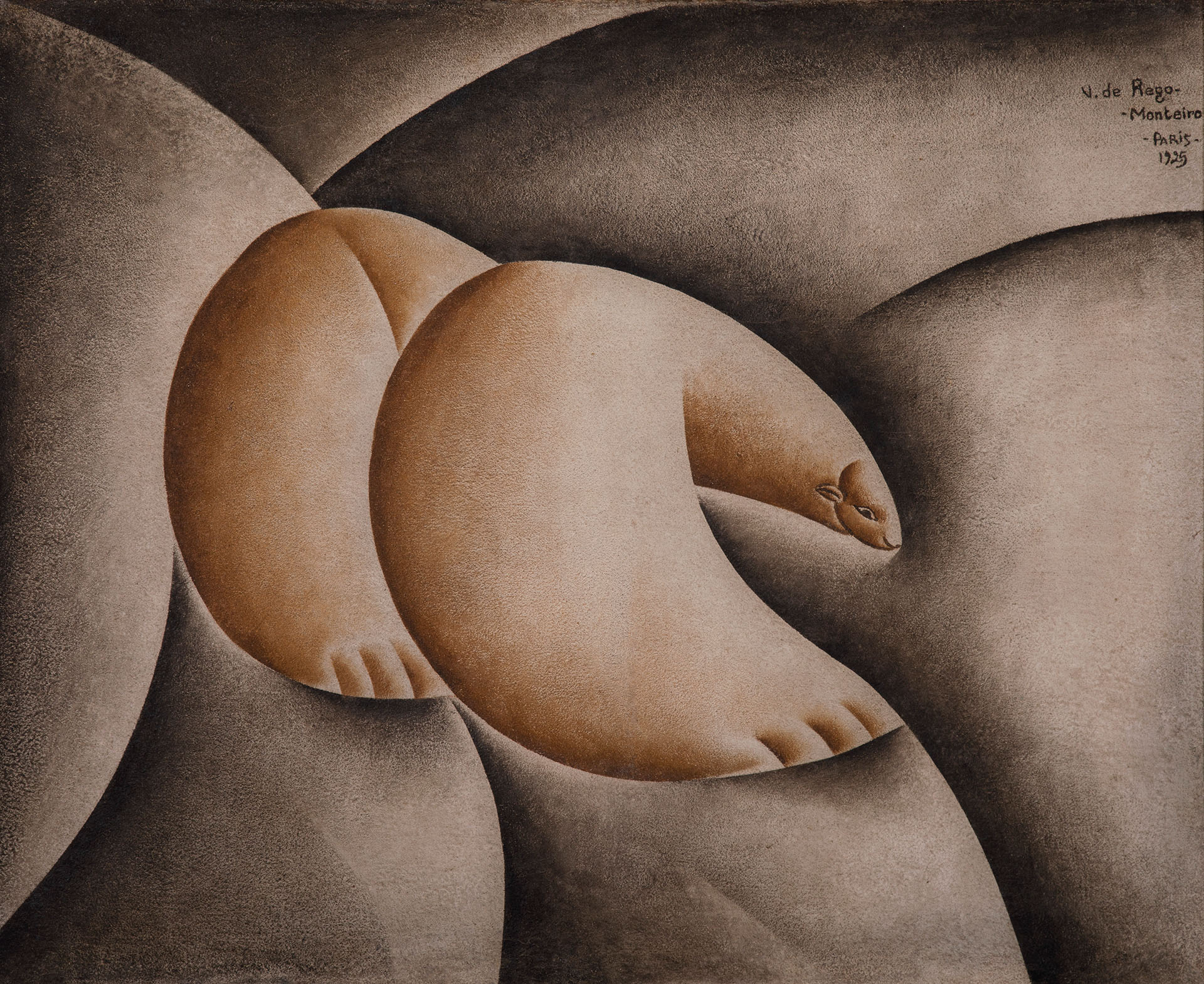
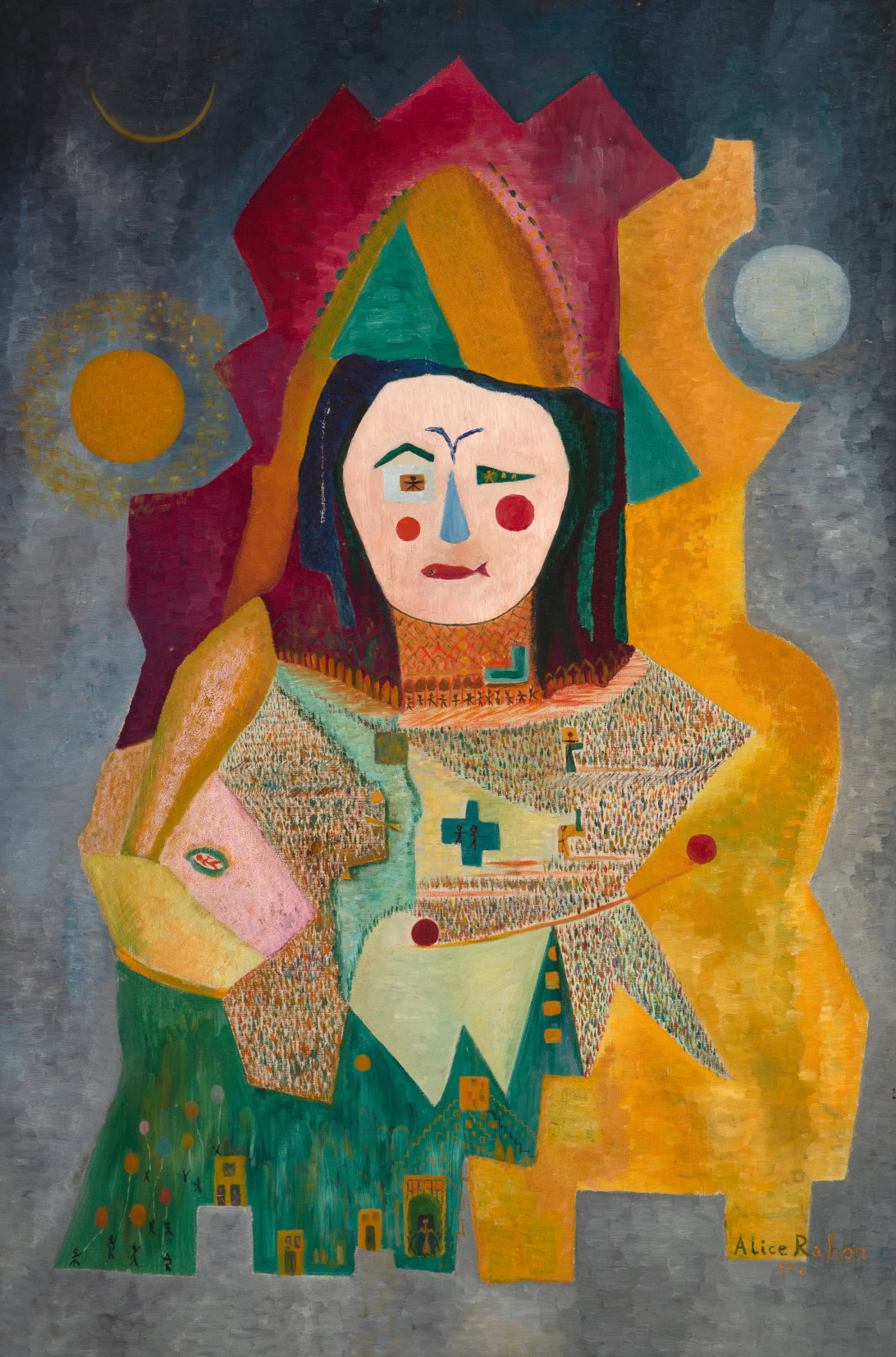
The Malba Collection safeguards, preserves, and exhibits works by the great creators of our continent, representing fifteen different countries: Argentina, Bolivia, Brazil, Chile, Colombia, Costa Rica, Cuba, Ecuador, Guatemala, Mexico, Paraguay, Peru, Puerto Rico, Uruguay, and Venezuela.

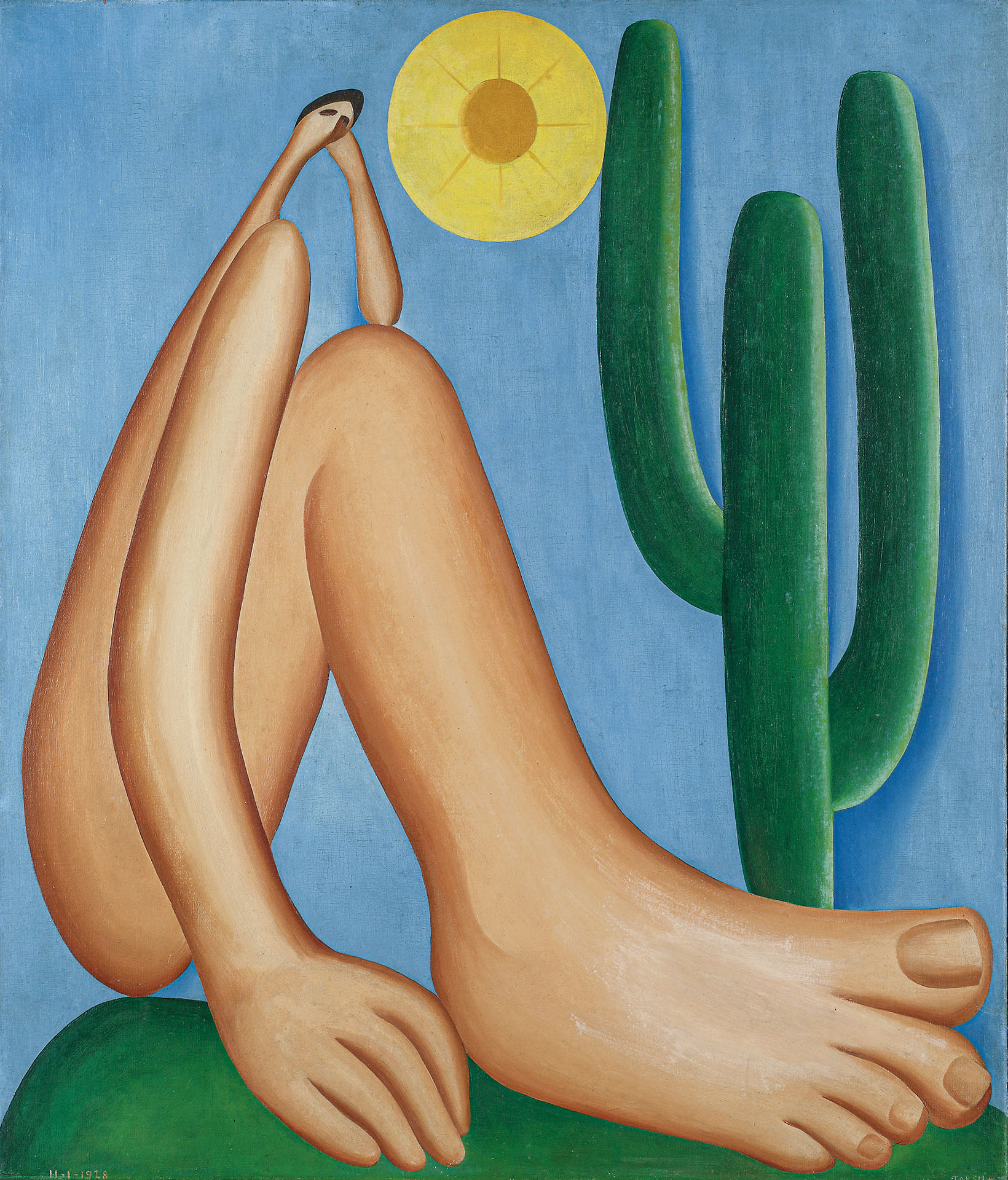
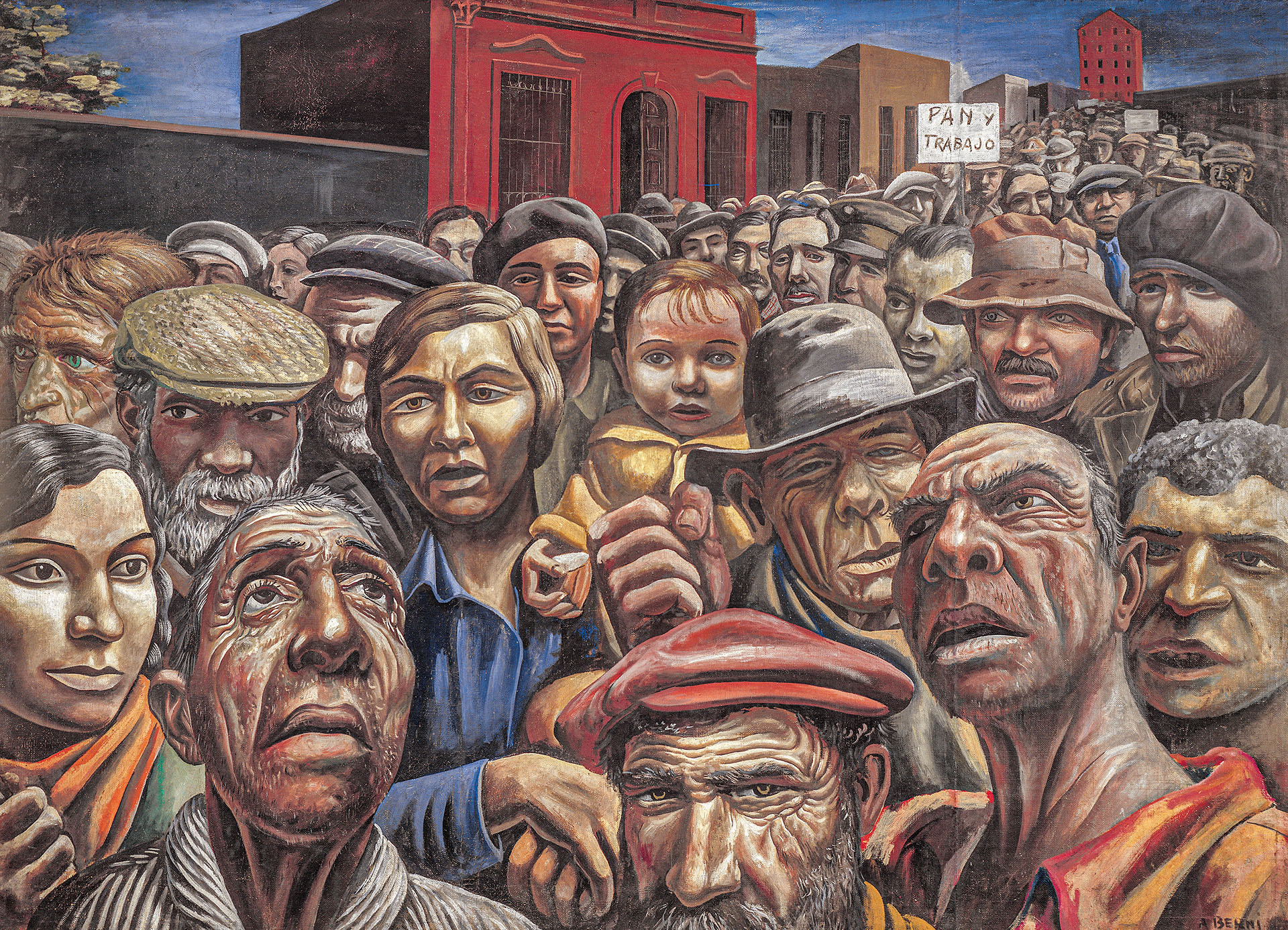
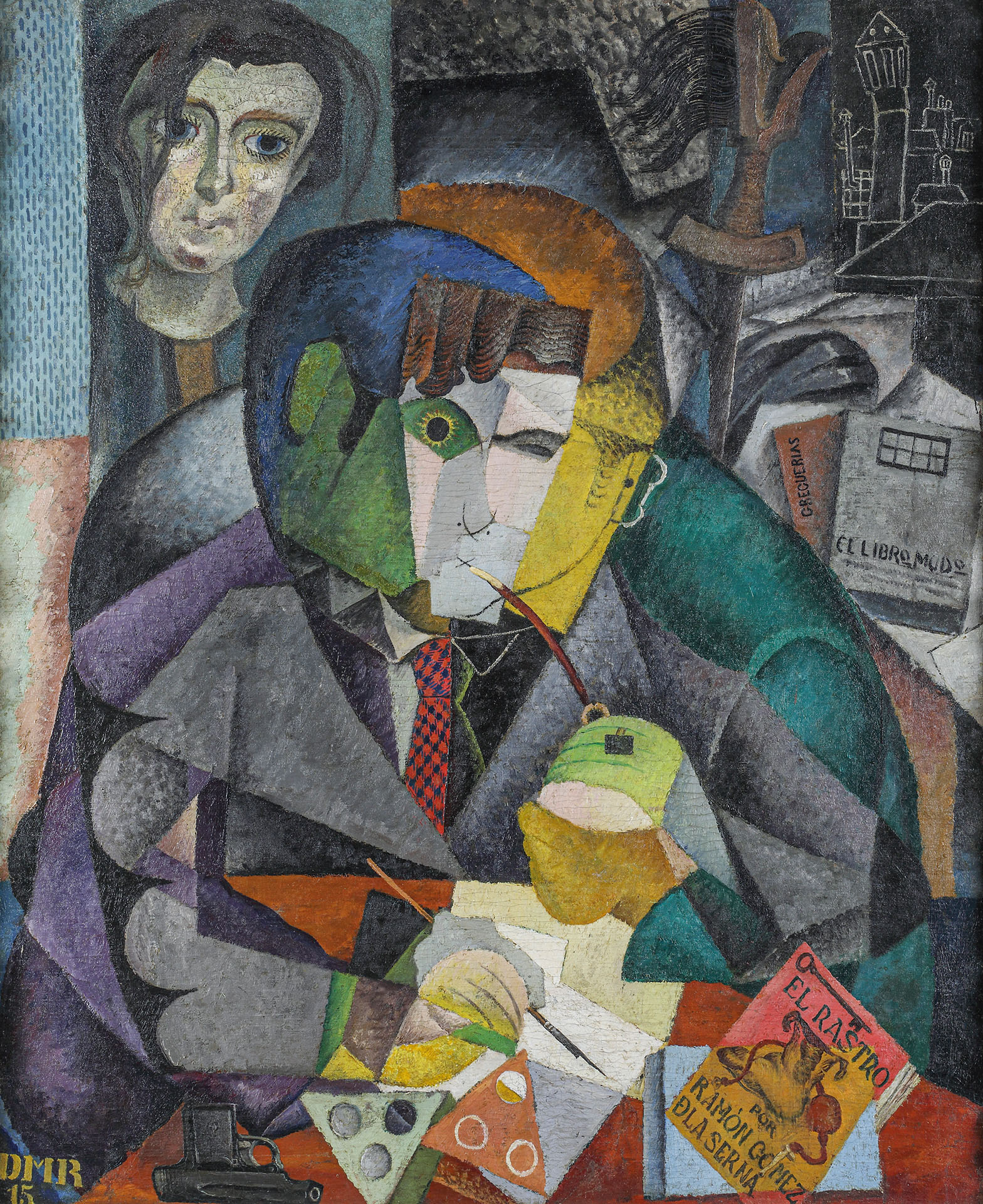
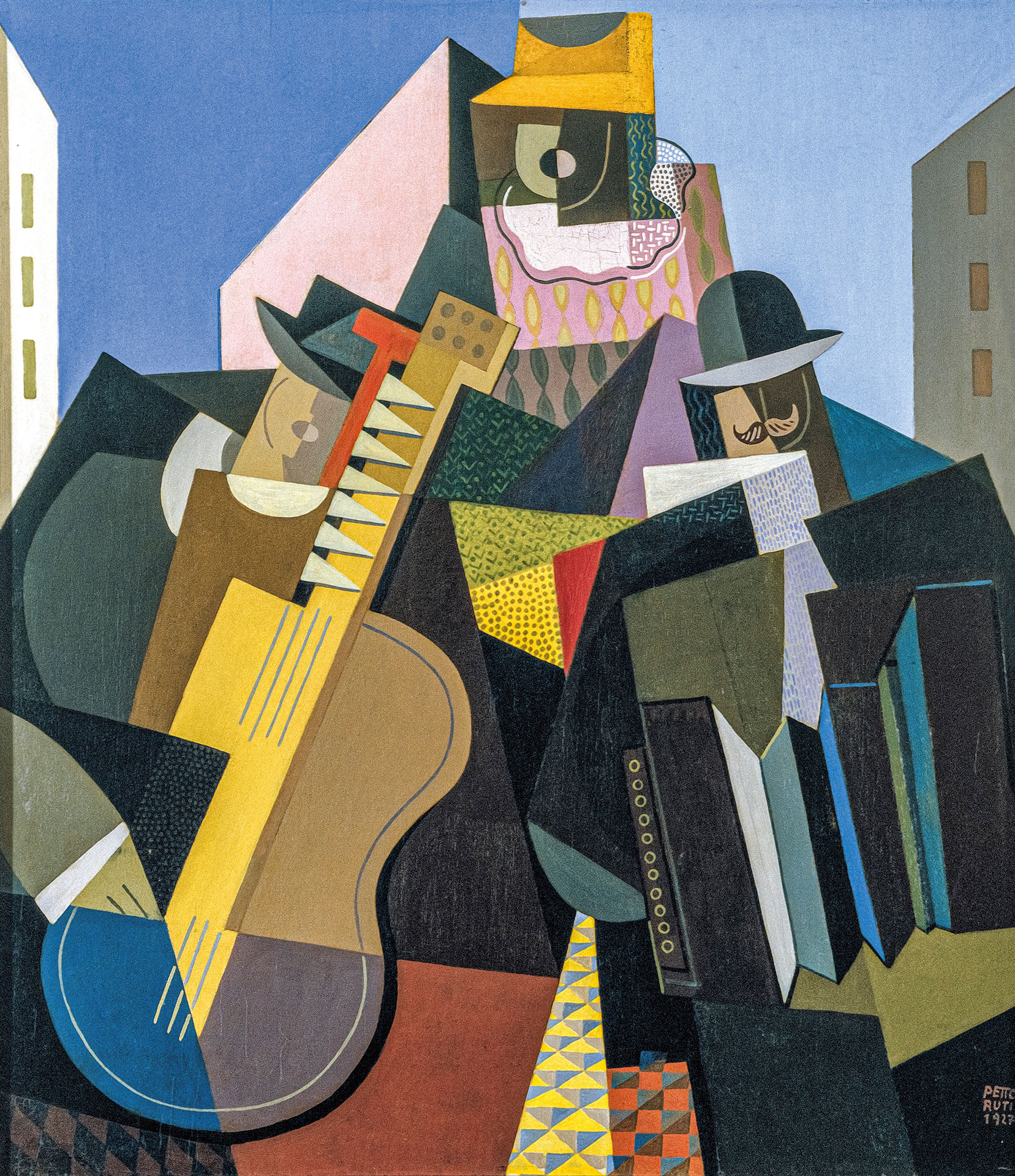
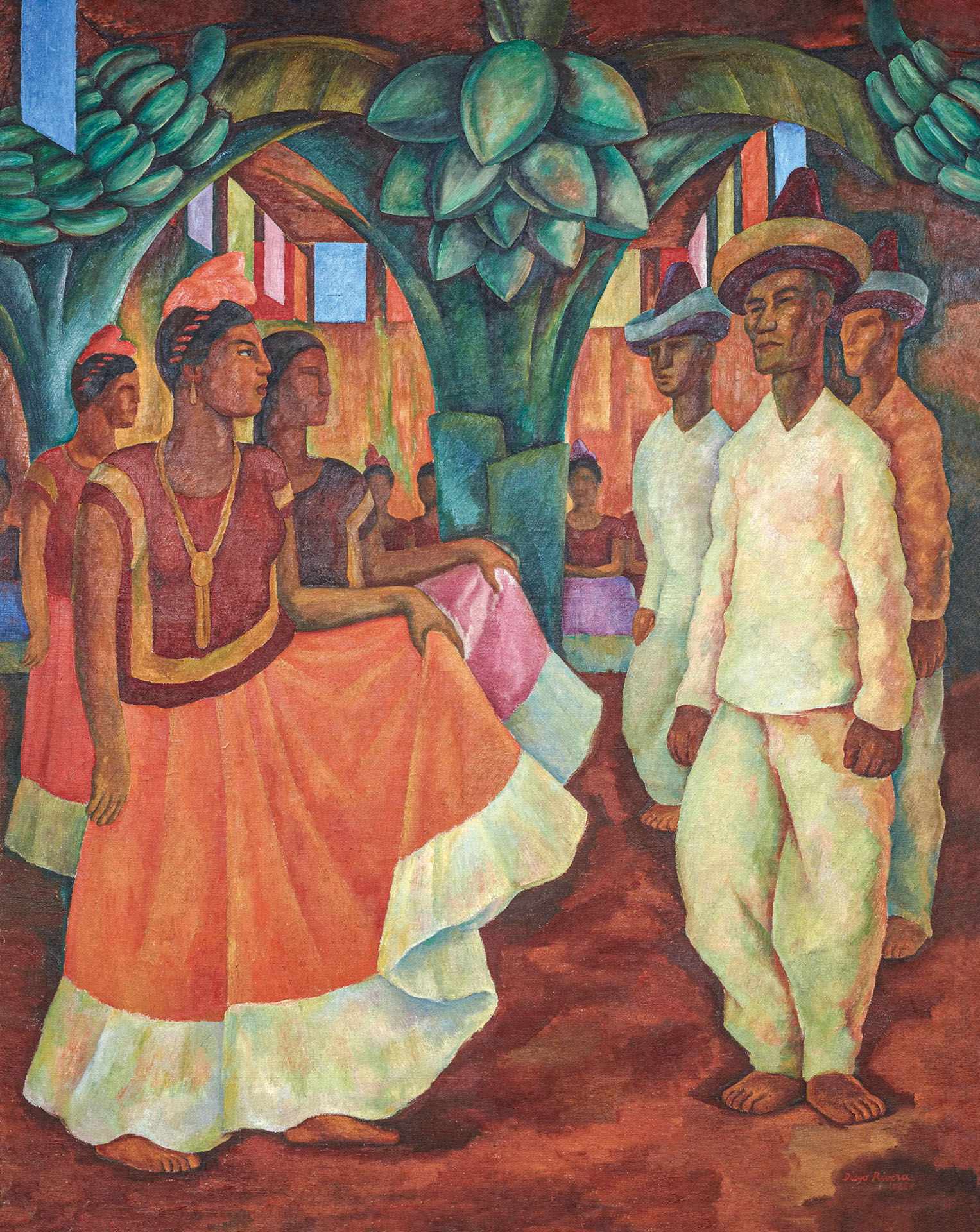
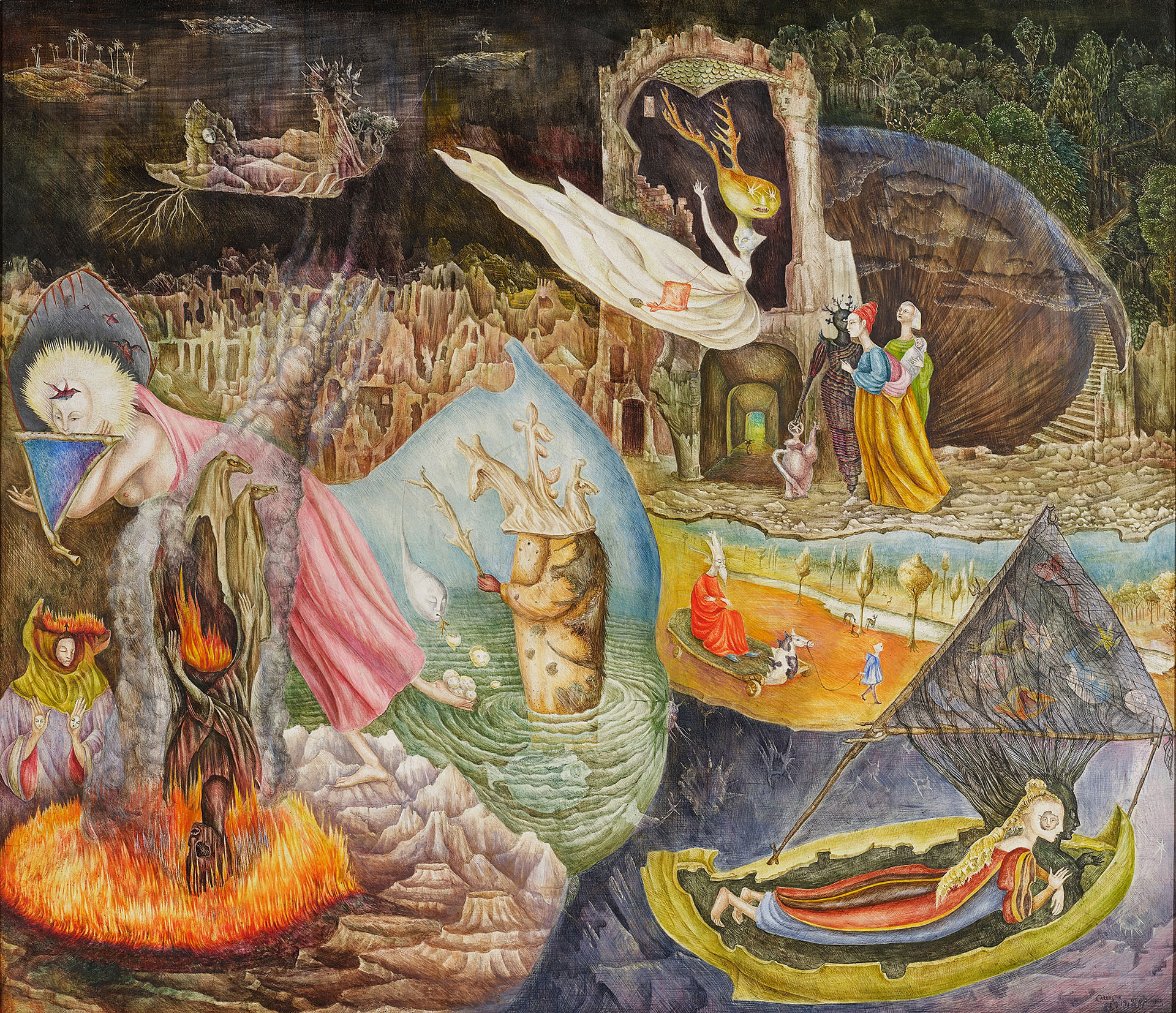
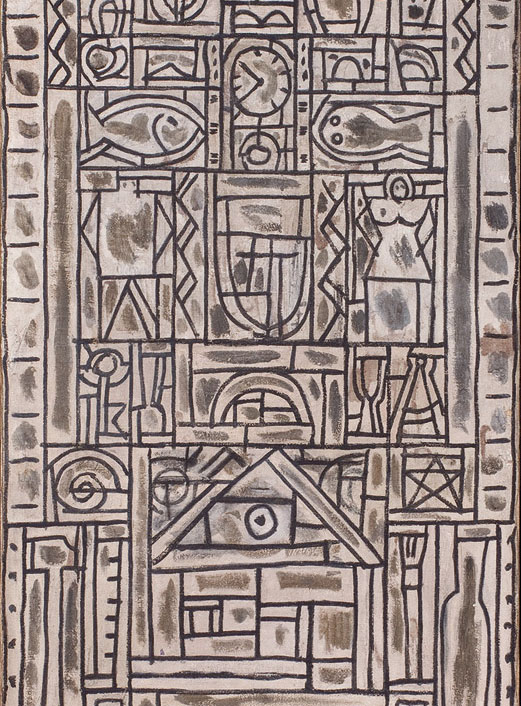
The holdings include major artists from across the region, among many others: Tarsila do Amaral, Rafael Barradas, Antonio Berni, Leonora Carrington, Emiliano Di Cavalcanti, Lygia Clark, Miguel Covarrubias, Antonio Dias, León Ferrari, Pedro Figari, Joaquín Torres García,
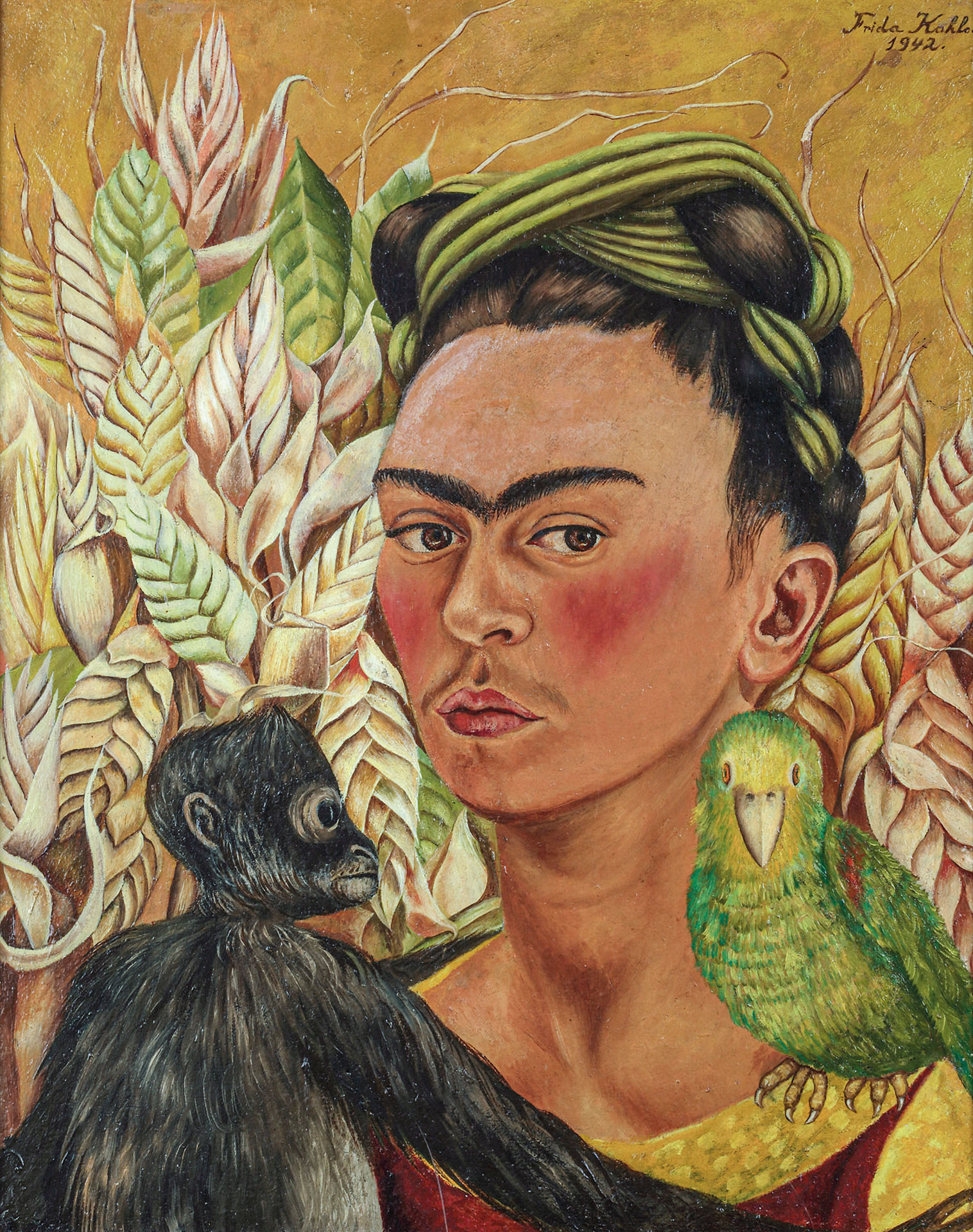
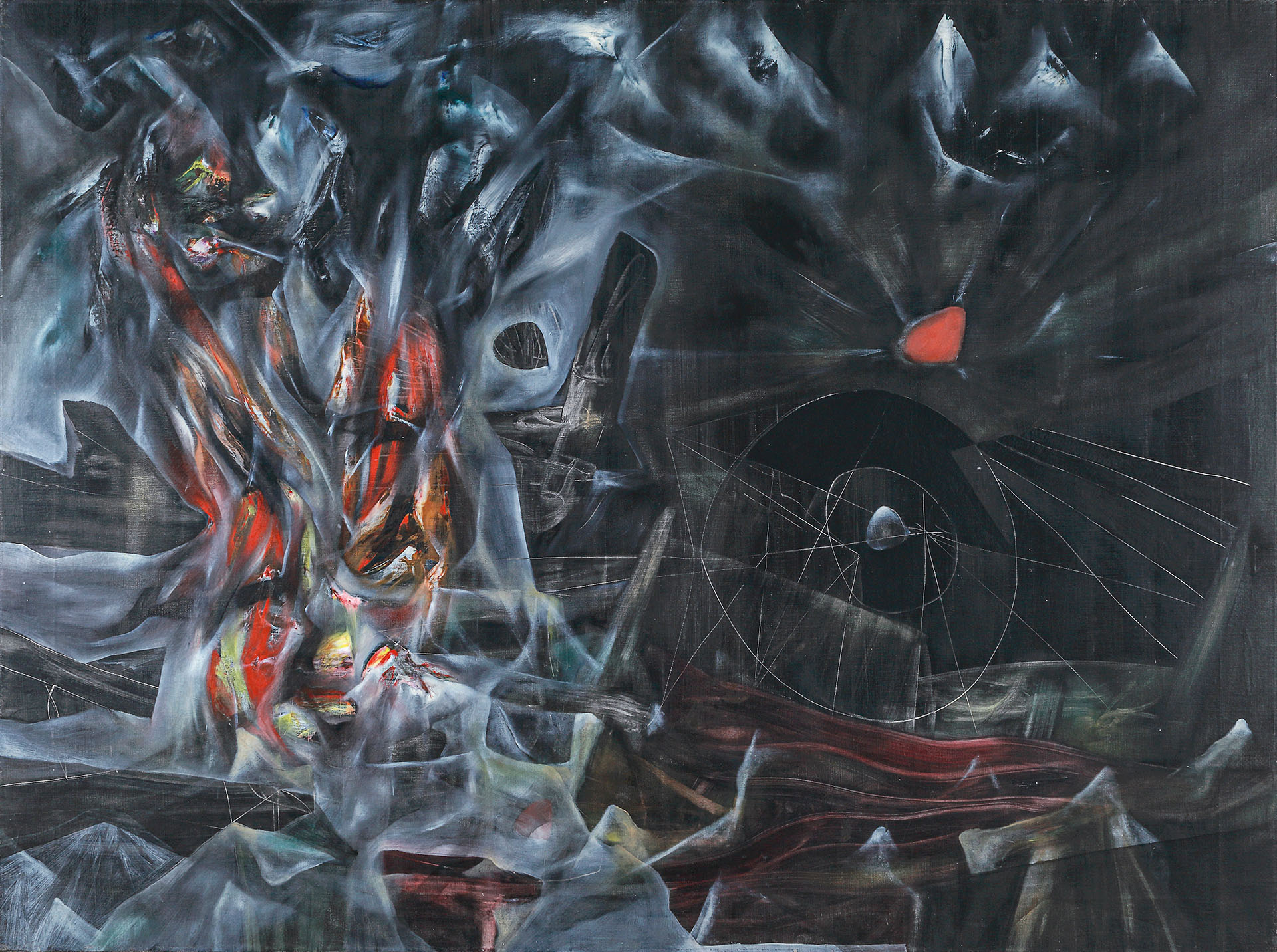
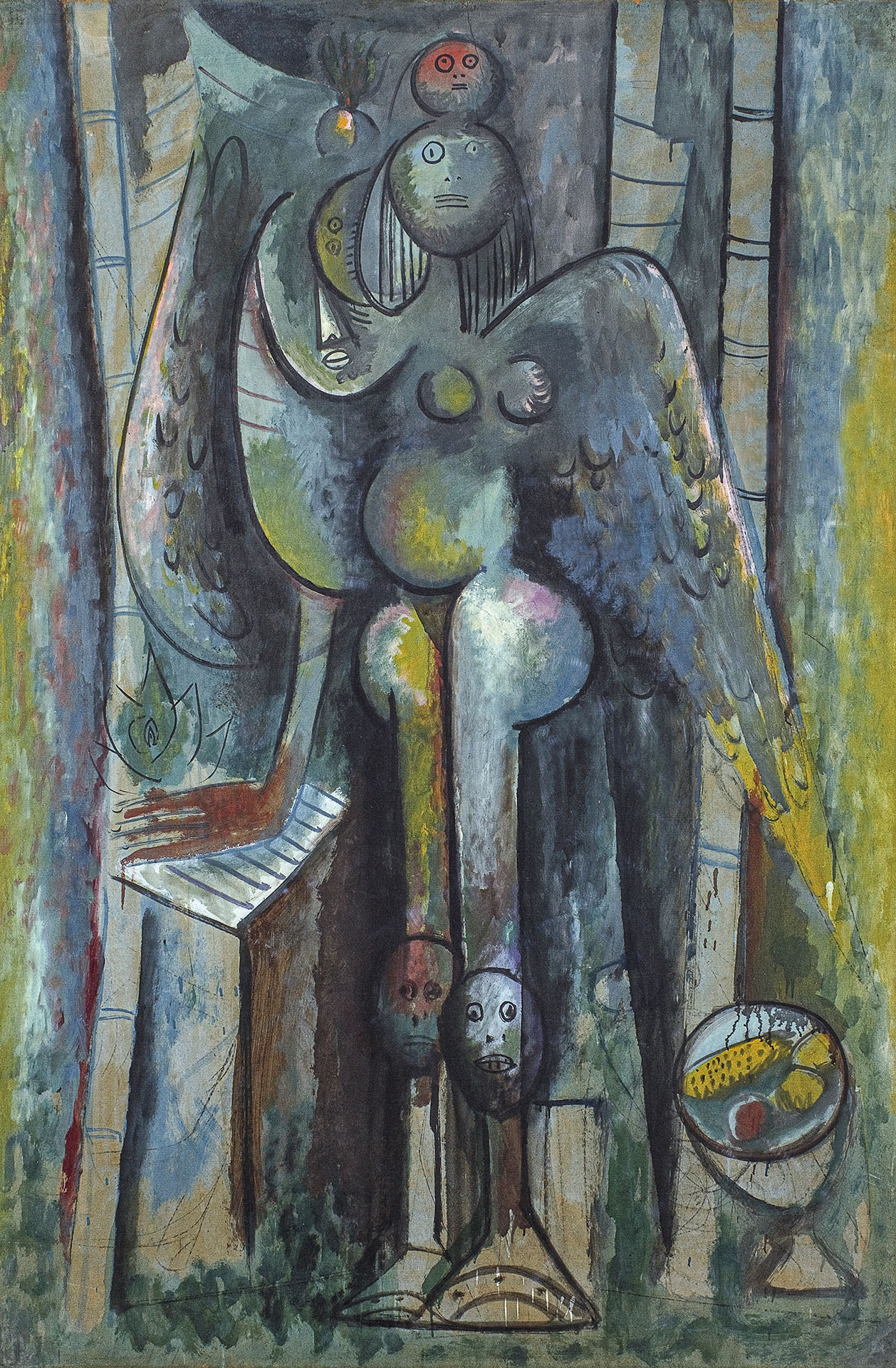
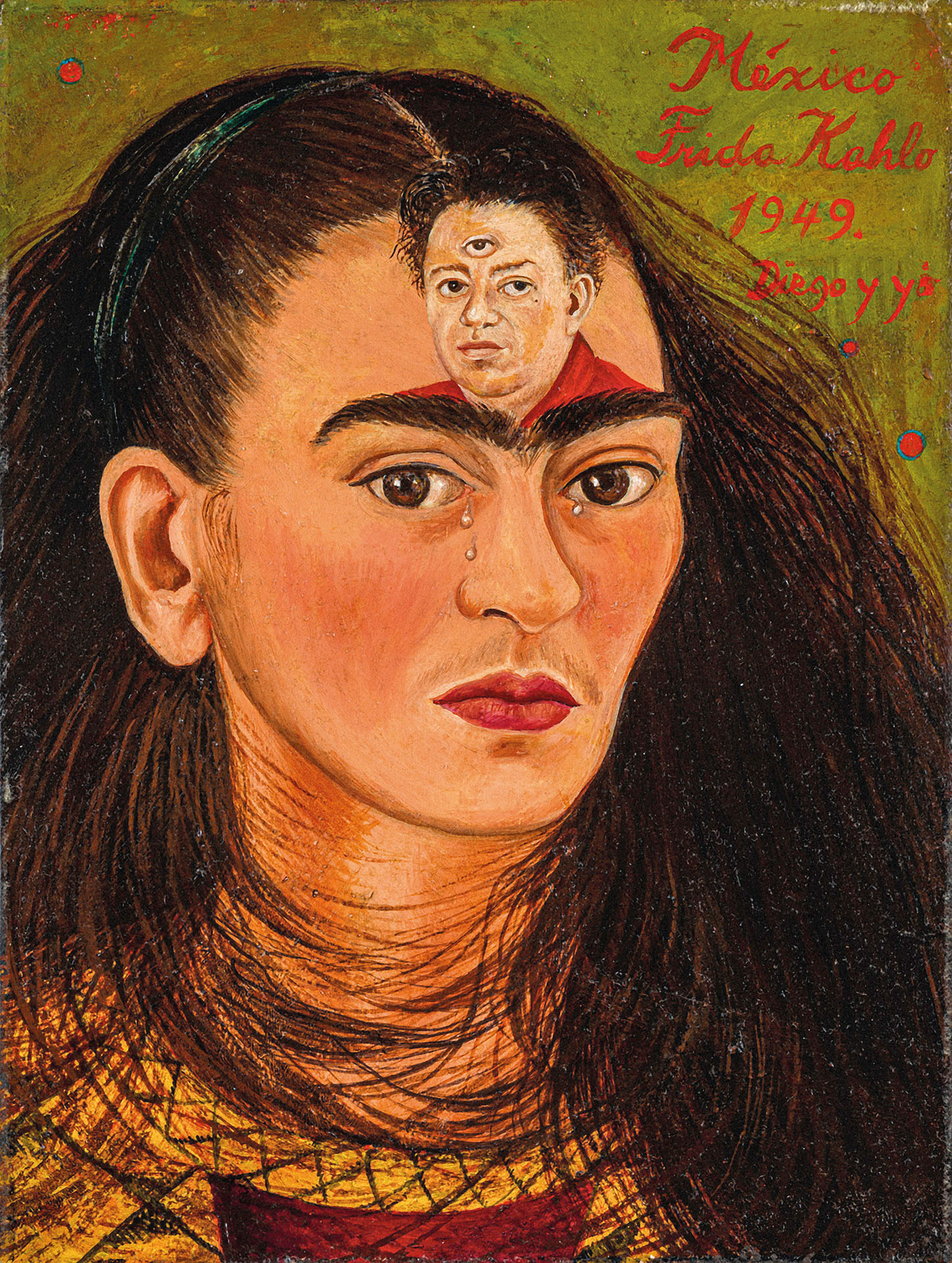
Rubens Gerchman, Víctor Grippo, Alfredo Guttero, Annemarie Heinrich, Kati Horna, Frida Kahlo, Gyula Kosice, Guillermo Kuitca, Wifredo Lam, Anna Maria Maiolino, Maria Martins, Roberto Matta, Ana Mendieta, Marta Minujín, Helio Oiticica, Juan Batlle Planas, Julio
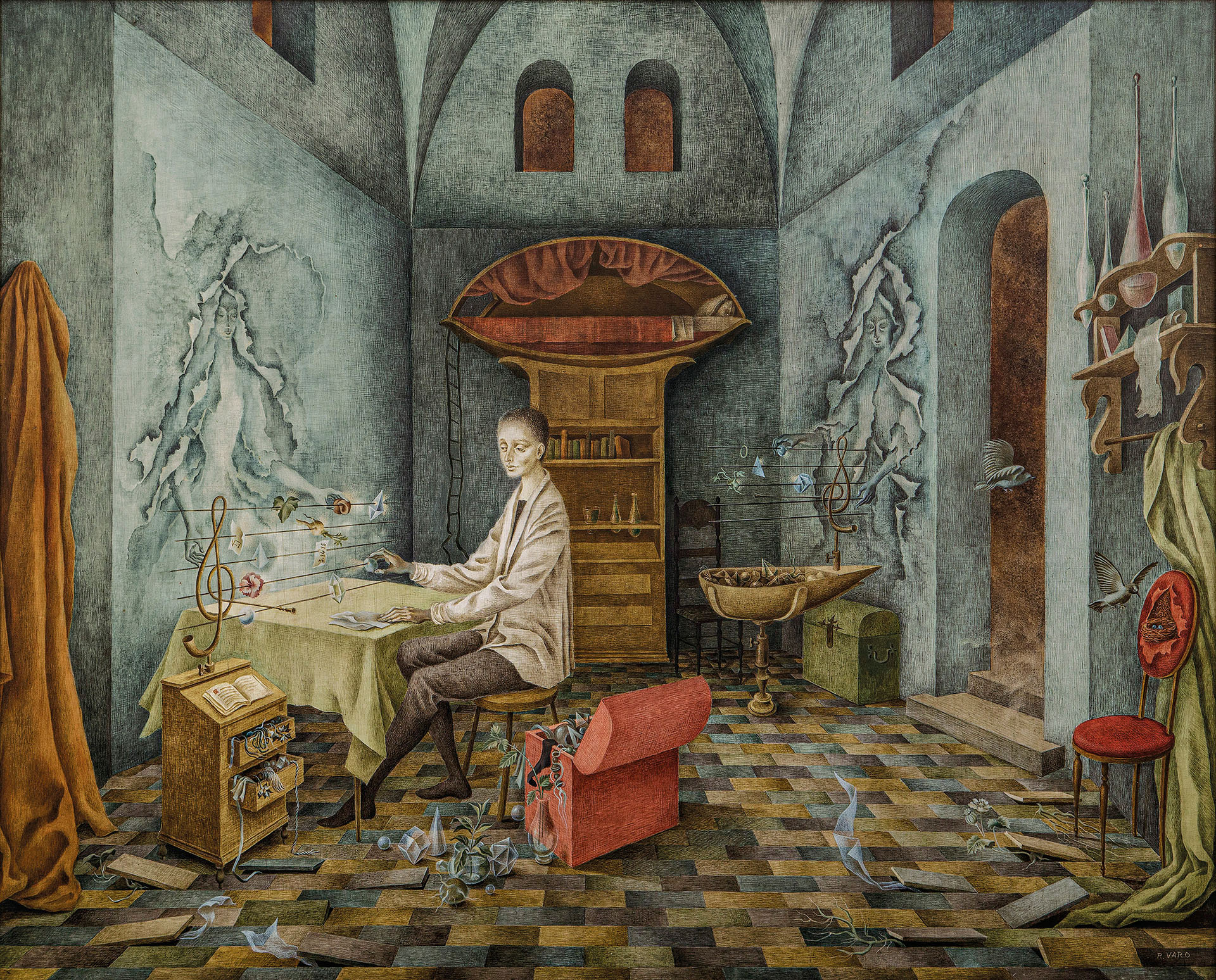
Le Parc, Emilio Pettoruti, Héctor Poleo, Cándido Portinari, Lidy Prati, Carmelo Arden Quin, Emilio Renart, Diego Rivera, Alejandro Xul Solar, Lino Enea Spilimbergo, Grete Stern, Rufino Tamayo, Claudio Tozzi, Nicolás García Uriburu, Remedios Varo and Jorge de la Vega.


Acquisitions committee

In collaboration with the Curatorial Department, Malba’s Acquisitions Committee is a group of donors who not only contribute new works to the collection each year but also strengthen the ties between the museum and its community. Their support enables the museum to continue expanding its holdings with works by renowned Latin American artists,
thereby enriching its cultural legacy.

Acquisition policies
The museum’s acquisition strategies are renewed annually in relation to the context and the ongoing debates that define priorities and lines of action for the growth of the collection.

Main strategies:

Latin American Focus
To incorporate key artists from different countries in the region, continuing the founding vision of the Malba Collection, and to complete and enhance the representation of countries not yet included in the holdings.

Historical Works
To acquire pieces that broaden the understanding of significant artists and specific periods, establishing dialogues with other works, movements, and narratives within
the museum’s collection.

Malba Historiography
To include significant works by artists featured in the museum’s temporary exhibitions program.

Women Artists
To incorporate works by women artists, aiming for a more equitable gender representation within the Collection.

Indigenous Art
To include works produced by contemporary Indigenous artists and/or connected to the traditions of ancient Latin American cultures.

Representation of Minorities
To acquire works by artists from racial, sexual, and geographic minority groups, as well as those linked to emerging identity movements.

Contemporary Works
To identify and acquire relevant works and artists of the present with strong local and/or international projection that represent an opportunity for the Museum.