03.11 – 06.03.2013
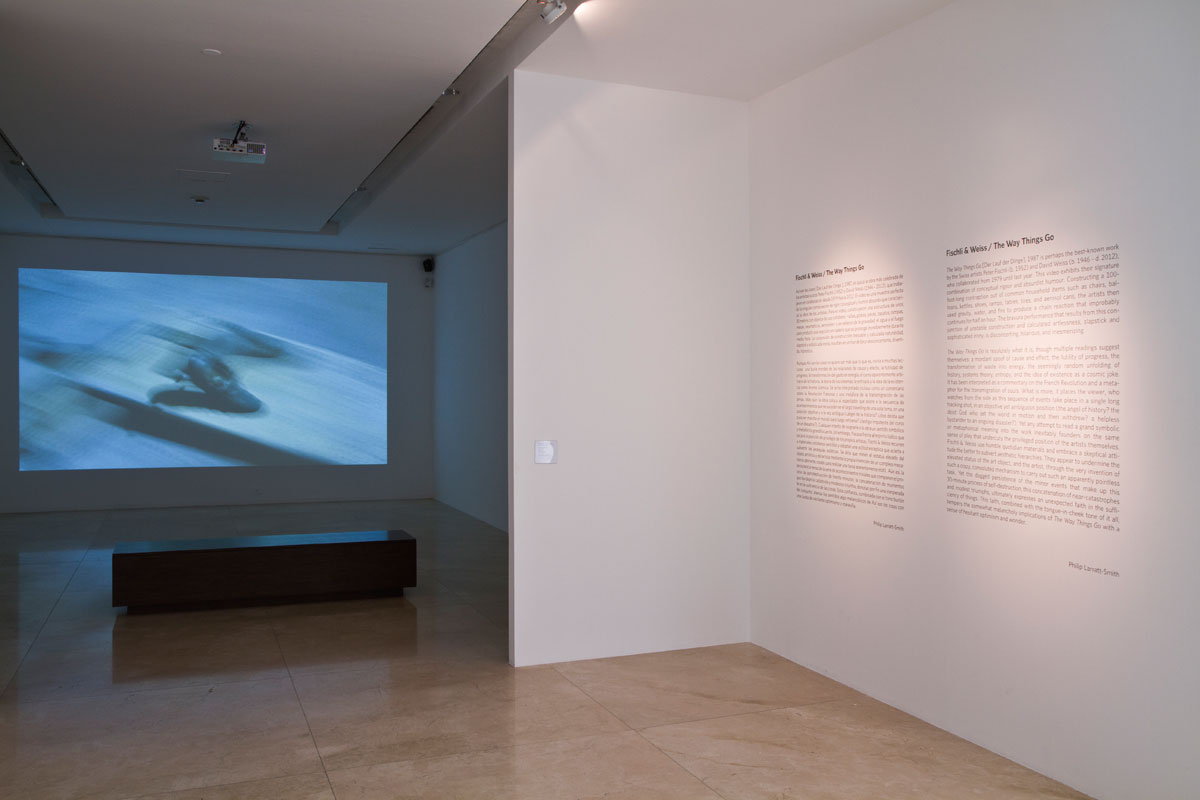
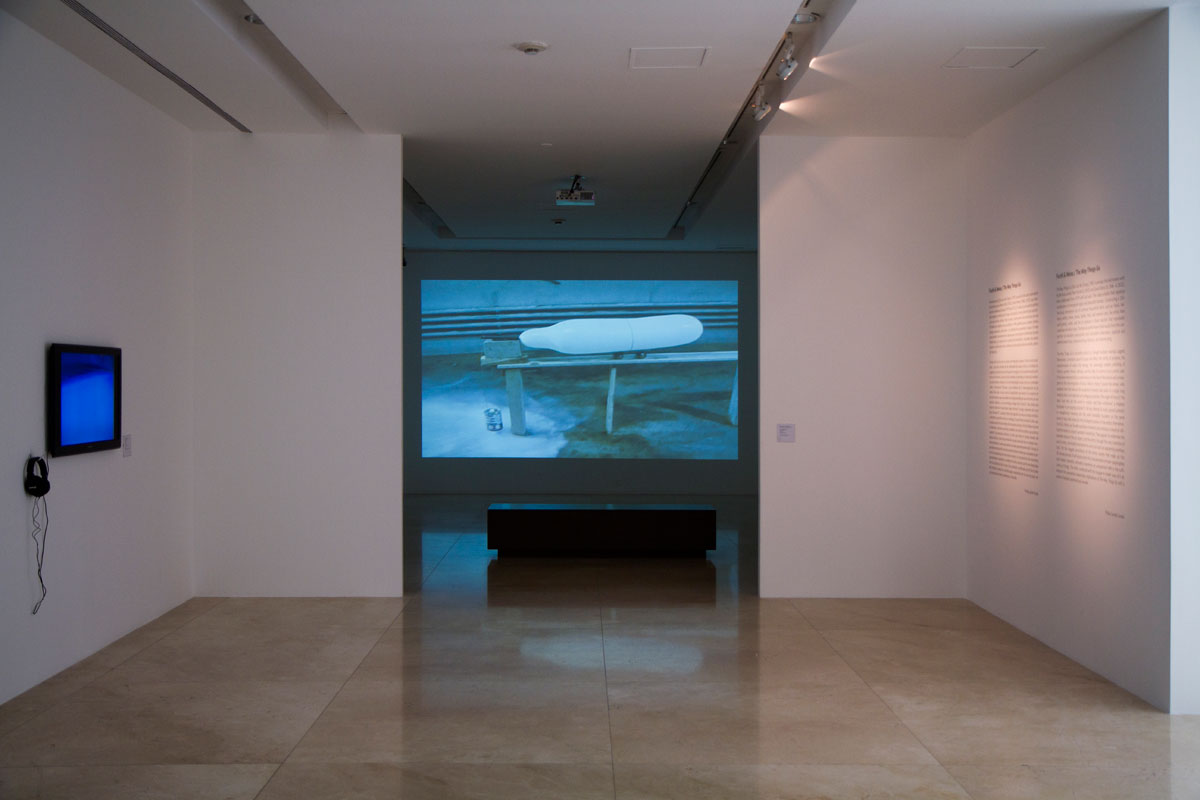
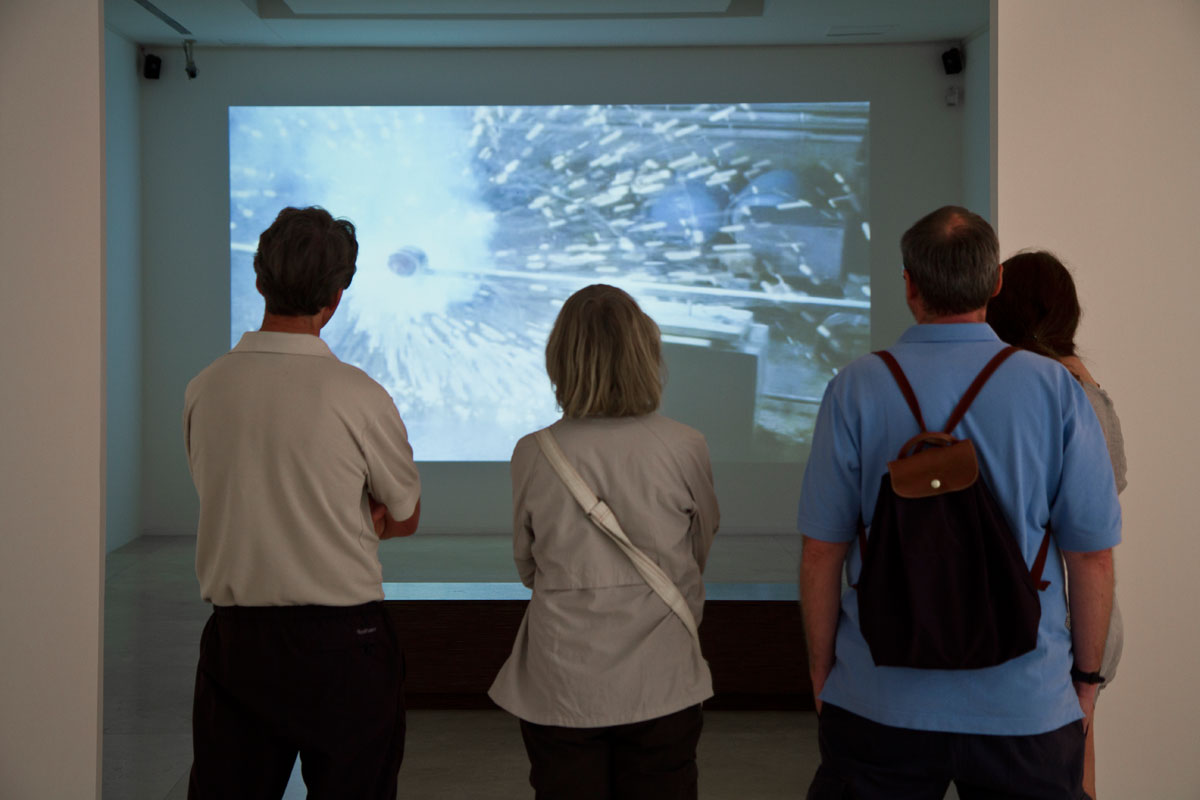
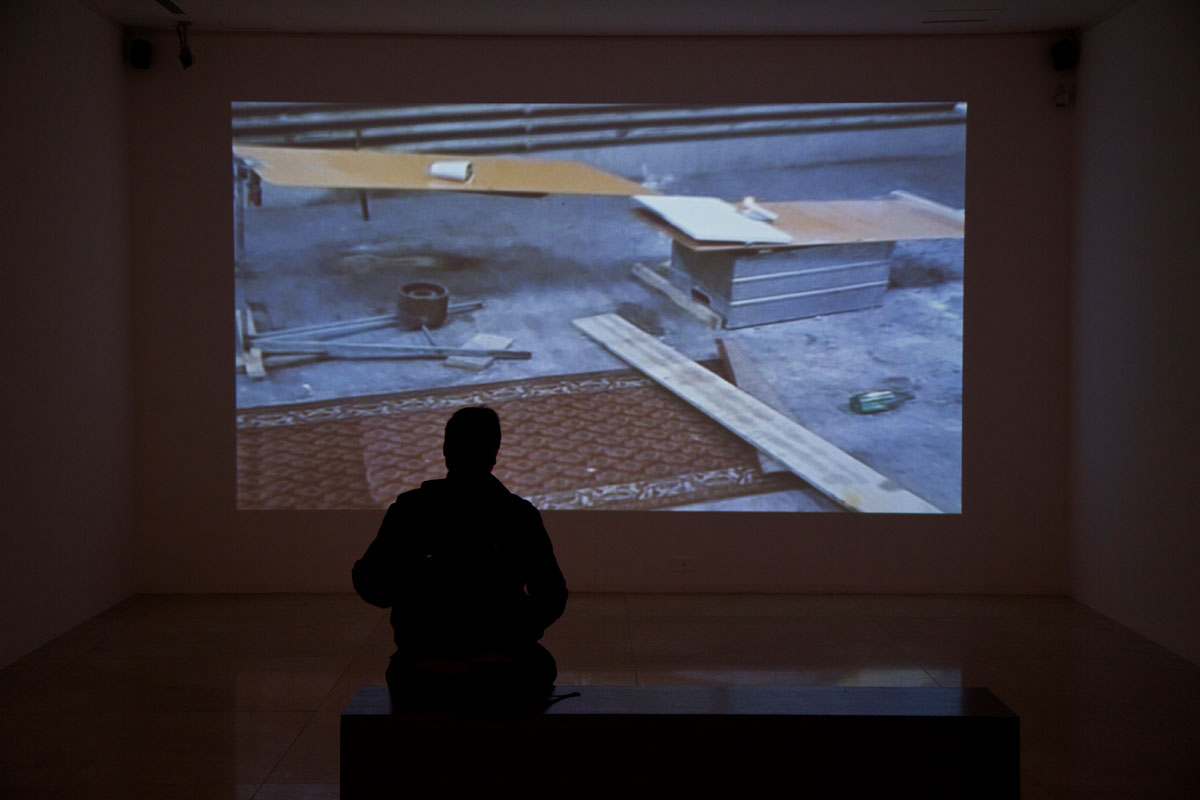
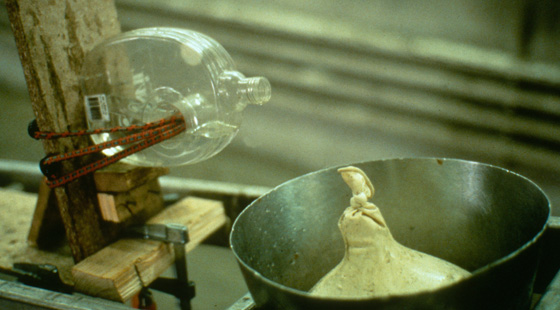
Malba presents the video The Way Things Go [Der Lauf der Dinge, 1987], a masterpiece by Swiss artists Peter Fischli (1952) and David Weiss (1946 – 2012), who worked together from 1979 to 2012. The piece documents a long chain reaction carried out with everyday objects and is a perfect example of the unique combination of conceptual rigor and absurd humor that characterizes the work of Fischli & Weiss.
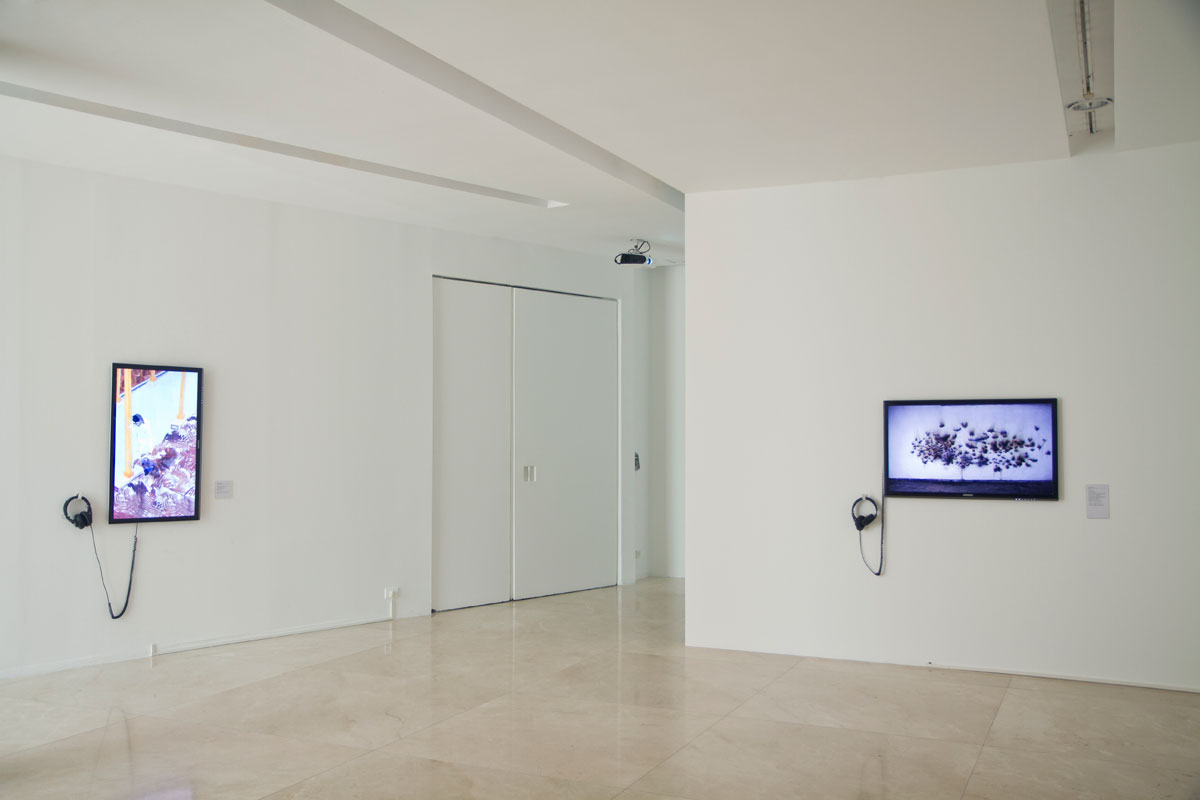
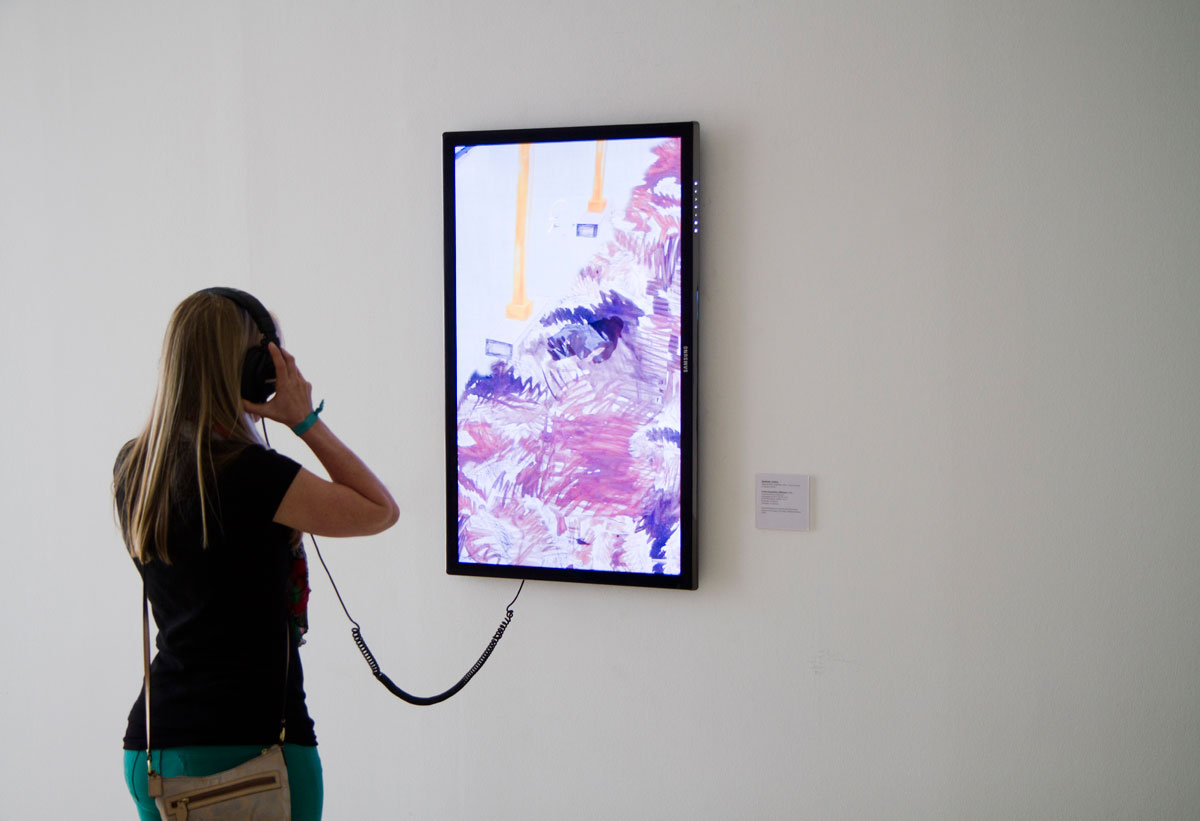
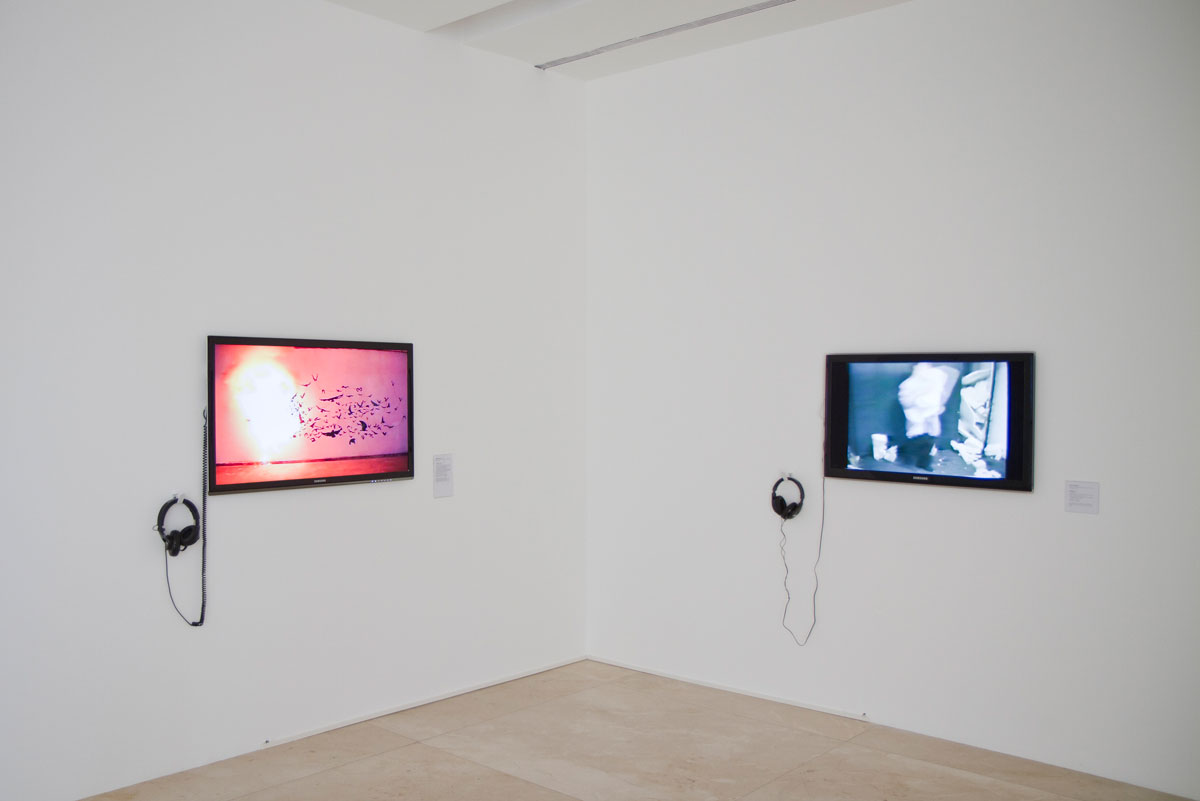
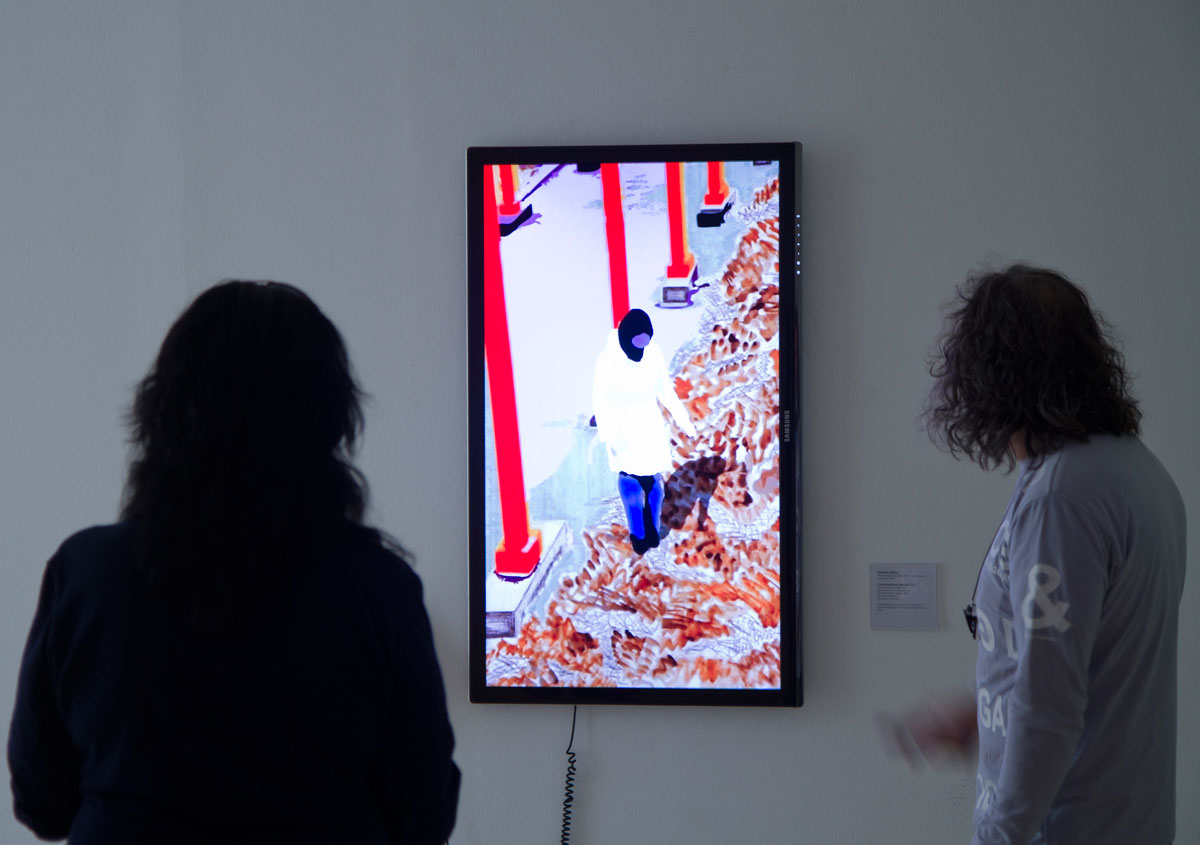
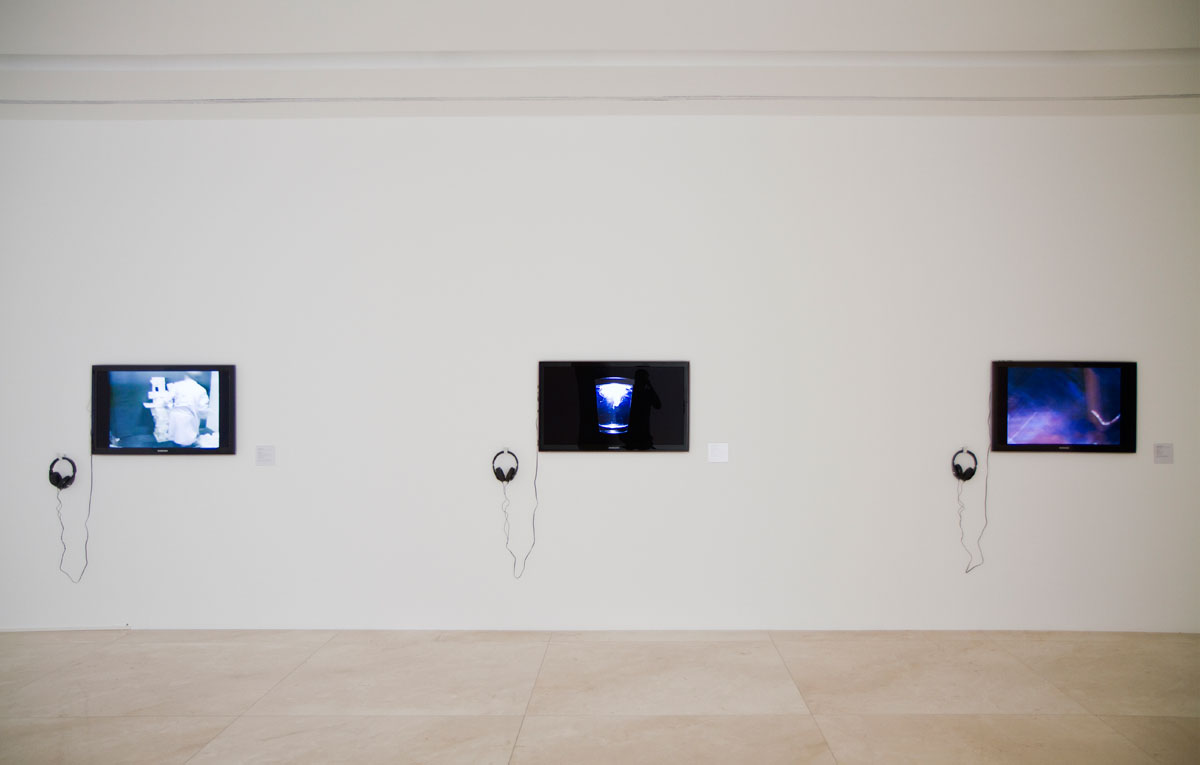
The exhibition is rounded out by a series of videos from the Malba collection—selected by Chief Curator Marcelo E. Pacheco—by artists Ruy Krygier, Adriana Bustos, Manuel Esnoz, Tomás Espina, and Gabriel Acevedo Velarde.
List of works
Peter Fischli y David Weiss
Der Lauf der Dinge [The Way Things Go], 1987
Color video. Running time: 30 minutes.
Ruy Krygier
Telgopor, 1997
Video. Edition: 3/25. Original format: Compact VHS; 2004 format: DVD. Running time: 7 minutes.
Acquired thanks to the contribution of Sofía and Horacio Areco, 2004
Adriana Bustos
Primavera, 2004
Video. Edition: 3 + 1 PA.
Running time: 5 minutes
Acquired thanks to the contribution of Hermès, 2009
Gabriel Acevedo Velarde
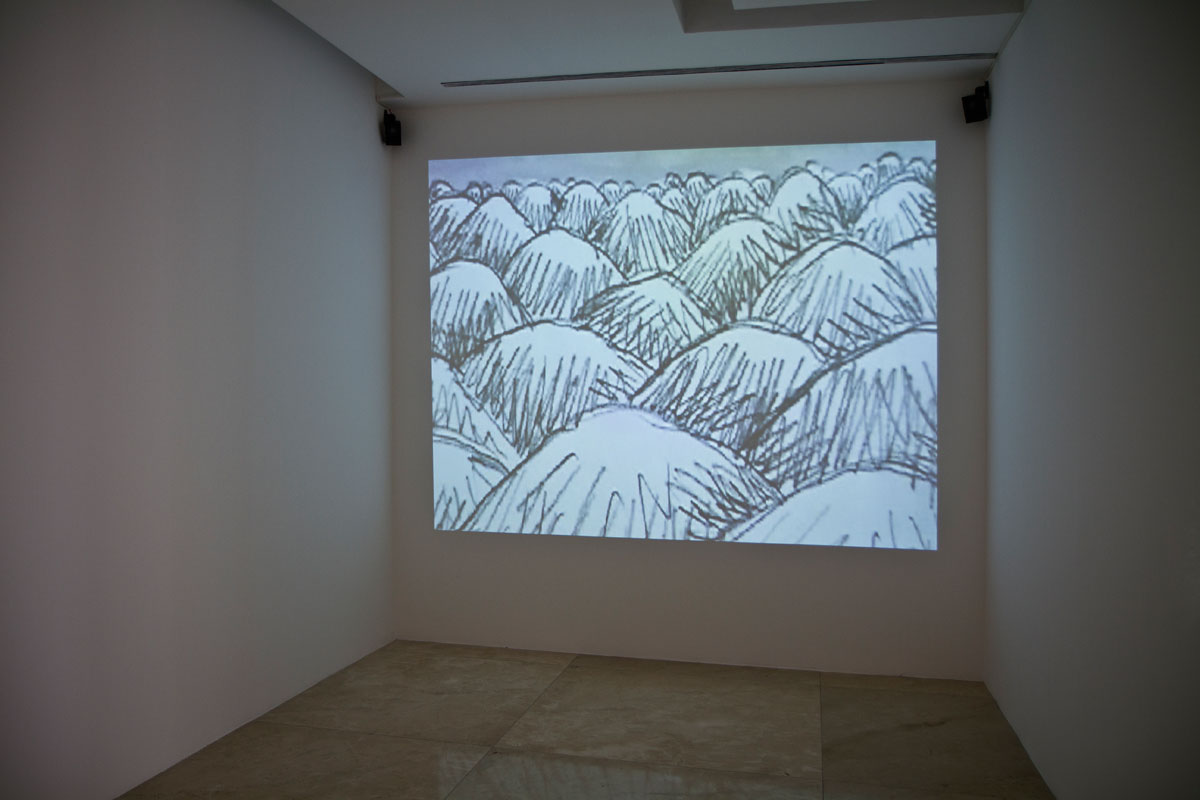
Prehistoria, 2005
Animation video. Edition: 3/5. Edition of 5 + 1 P/A. Running time: 29 minutes, 33 seconds
Acquired thanks to the contribution of Sergio Quattrini and Fundación Eduardo F. Costantini, 2006
Manuel Esnoz
Como las puertas a Mariana, 2006
Animation in DVD. Edition: 4/5.
Running time: 3 minutes
Acquired thanks to the contribution of Sofía and Máximo Speroni, 2006
Tomás Espina
Vanavolar, 2007
DVD recording of an action carried out in the warehouses of Ferrocarril Oeste on May 12, 2007, Buenos Aires.
Edition: 2/10.
Running time: 1 minute, 14 seconds
Acquired thanks to the contribution of Fundación Eduardo F. Costantini, 2007
Adriana Bustos
Entrevista a Fátima, 2010
Video, 4,52 minutes. Edition: PA of a 3 + 1 PA edit
Adquisición gracias al aporte de Hermès, 2010
About The Way Things Go
The Way Things Go is perhaps the most celebrated work by artists Fischli & Weiss. For the video, they built a 30-meter structure out of everyday objects—chairs, balloons, kettles, shoes, ramps, tables, tires, aerosol cans—and used gravity, water, and fire to produce a chain reaction that lasts an incredible half hour. The combination of unstable construction and calculated naturalness, slapstick, and sophisticated irony results in a disconcerting, entertaining, and hypnotic tour de force.
Although The Way Things Go does not seek to be anything more than it is, it invites many interpretations: a scathing mockery of cause-and-effect relationships, the futility of progress, the transformation of energy expenditure, the seemingly arbitrary course of history, systems theory, entropy, and the idea of existence as a cosmic joke. It has even been interpreted as a commentary on the French Revolution and a metaphor for the transmigration of souls. Furthermore, the work places the viewer who watches the sequence of events that unfold in the long tracking shot of a single take in an objective yet ambiguous position (angel of history? Deist god who set the world in motion and then withdrew? Powerless witness to the course of a disaster?). Any attempt to assign the work a grandiloquent symbolic or metaphorical meaning, however, fails in the face of the playful spirit that undermines the privileged position of the artists themselves.
Fischli & Weiss use simple everyday materials and adopt a skeptical attitude that successfully subverts aesthetic hierarchies. They seem to undermine the elevated status of the art object and the artist by inventing a complex, delirious mechanism designed to perform a seemingly useless task. Even so, the tenacious persistence of the series of trivial events that make up the thirty-minute process of self-destruction, the concatenation of moments bordering on catastrophe and modest triumphs, ultimately denote an unexpected faith in the sufficiency of things. This confidence, combined with the mocking tone of the whole, tempers the somewhat melancholic sentiments of The Way Things Go with a dose of hesitant optimism and wonder.
Texto de Philip Larratt-Smith.