Event Details
This event finished on 20 September 2010
- Categories: Exhibitions
- Tags: Plantilla histórica
07.02 — 10.20.2010
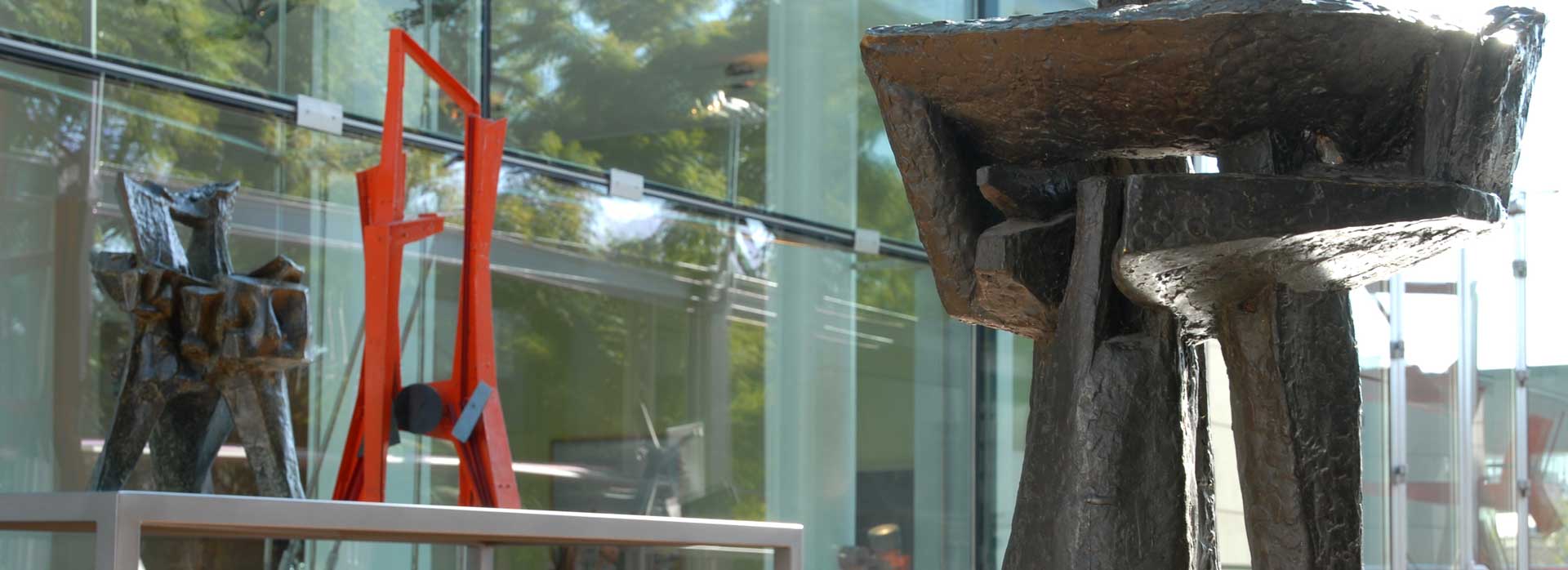
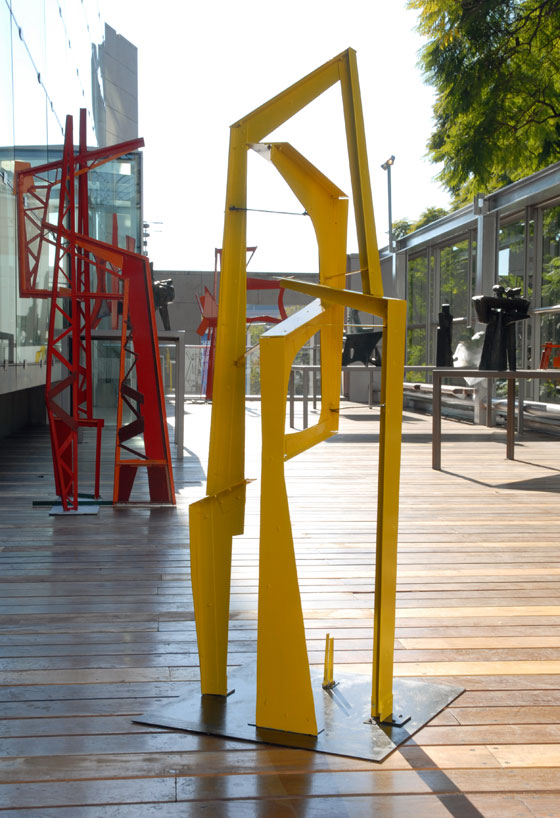
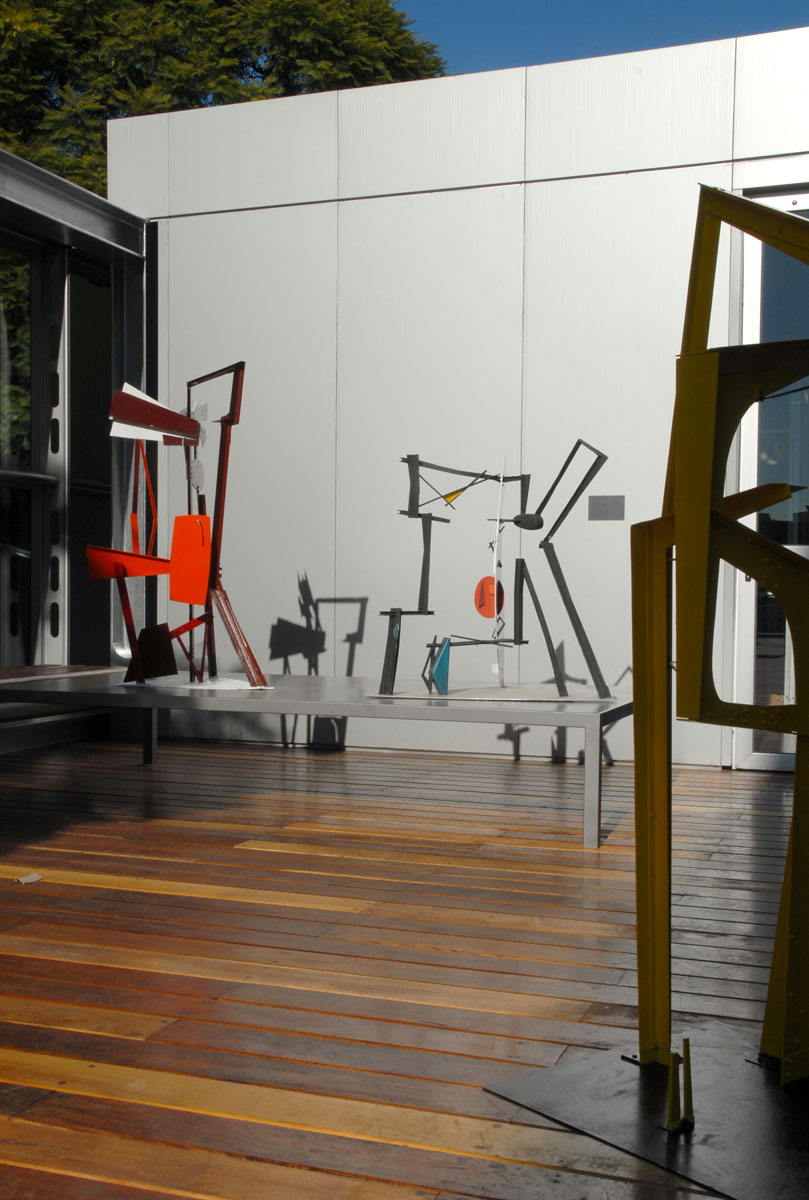
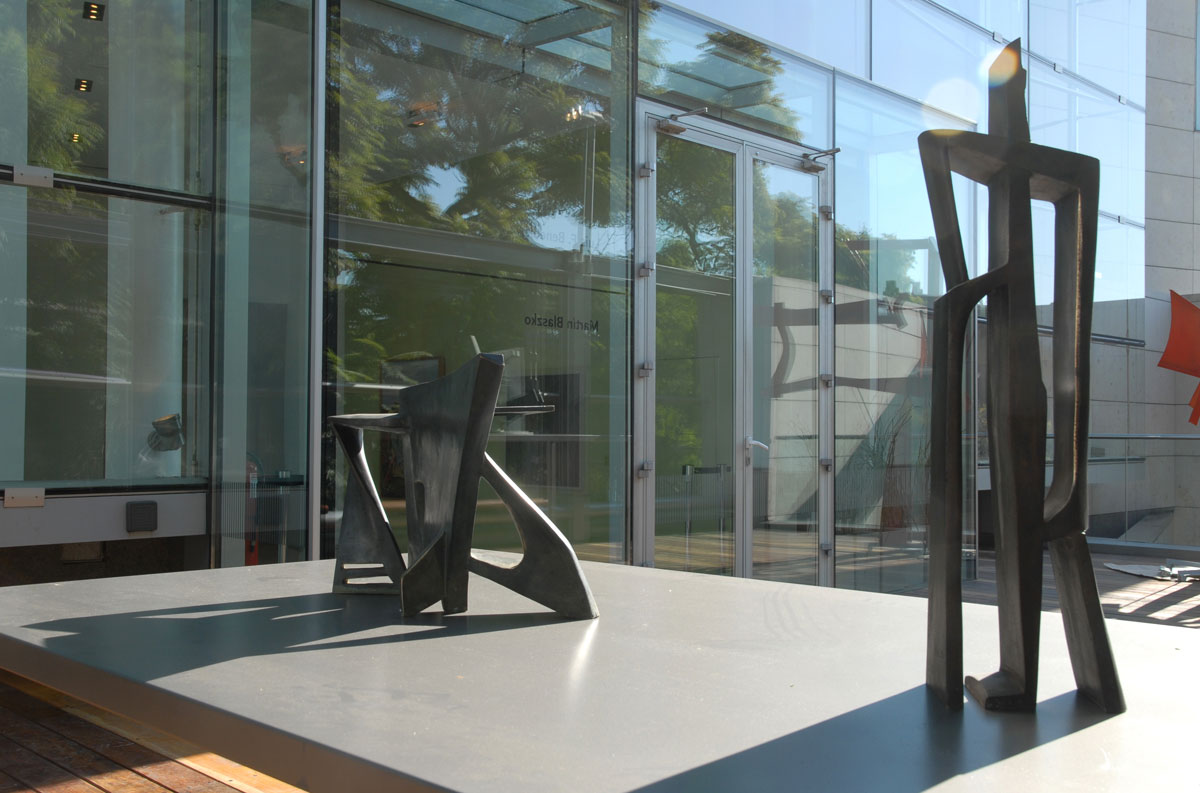
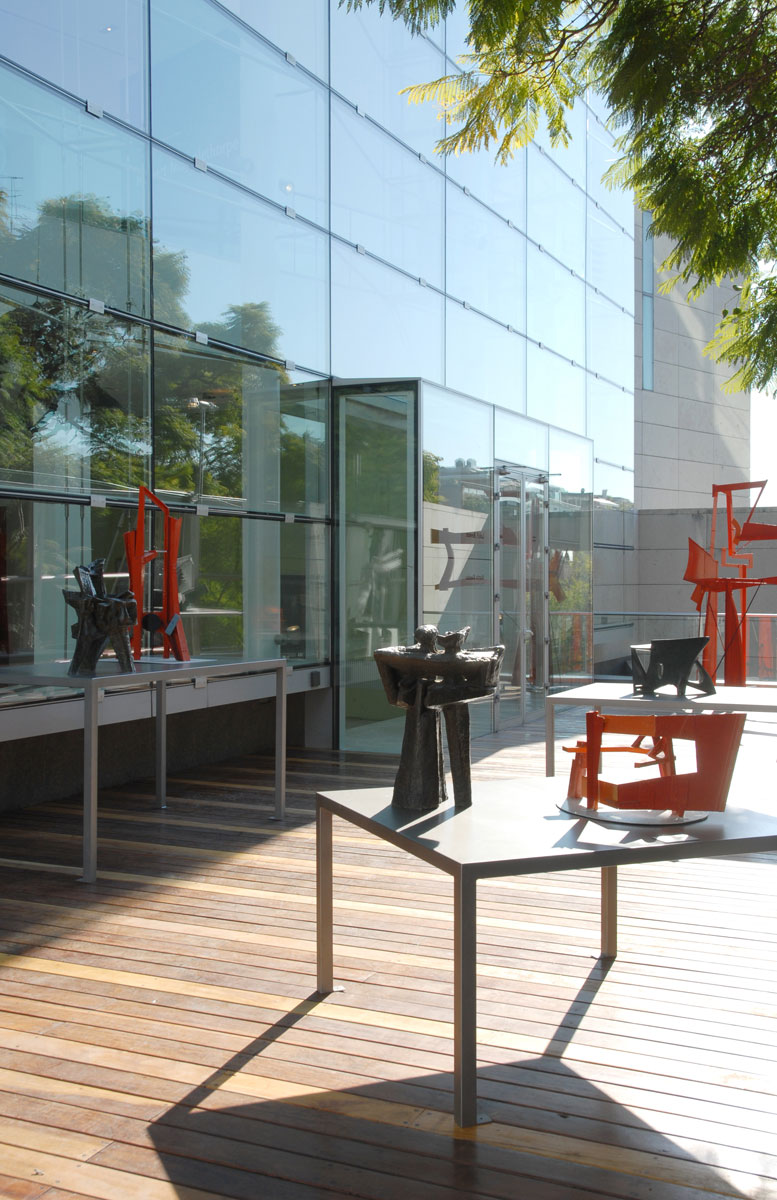
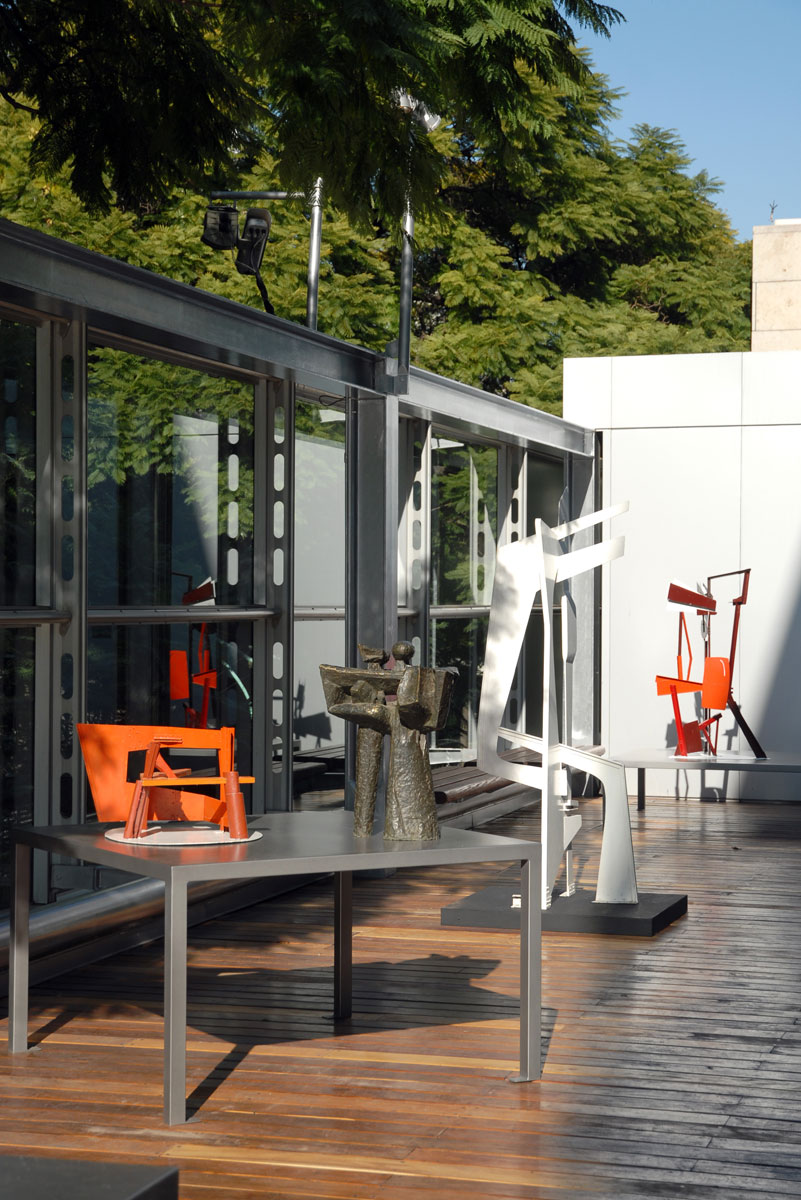
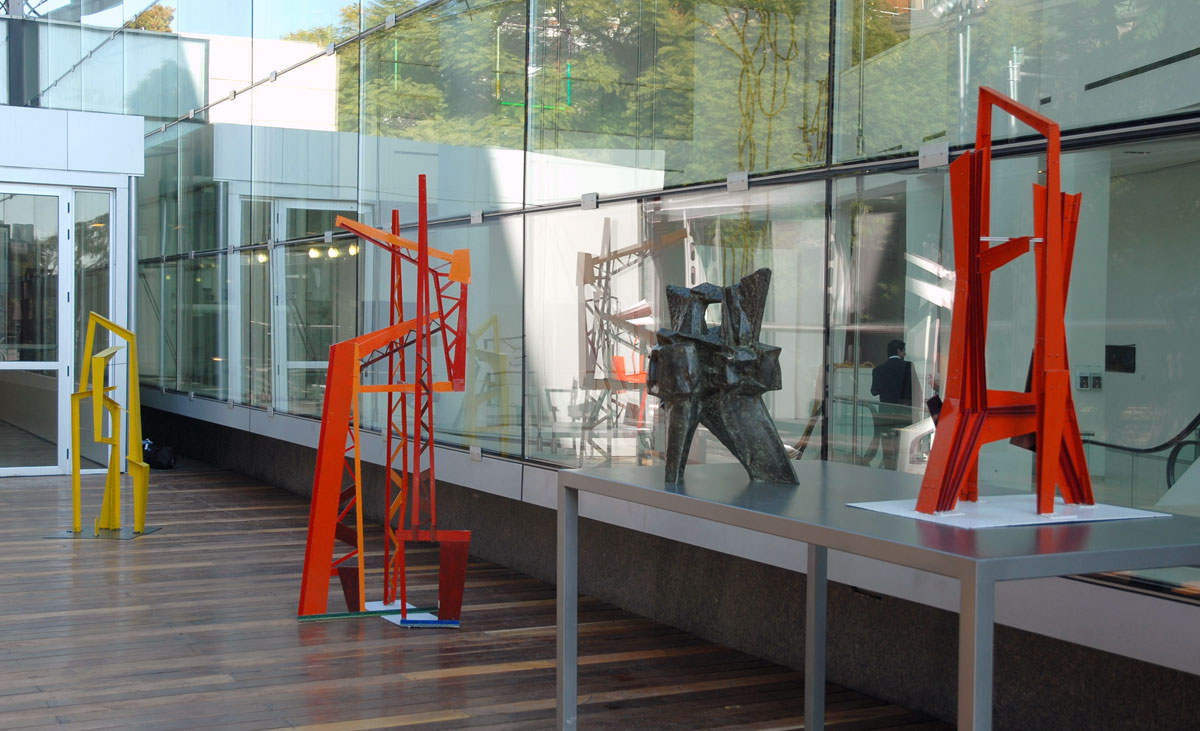
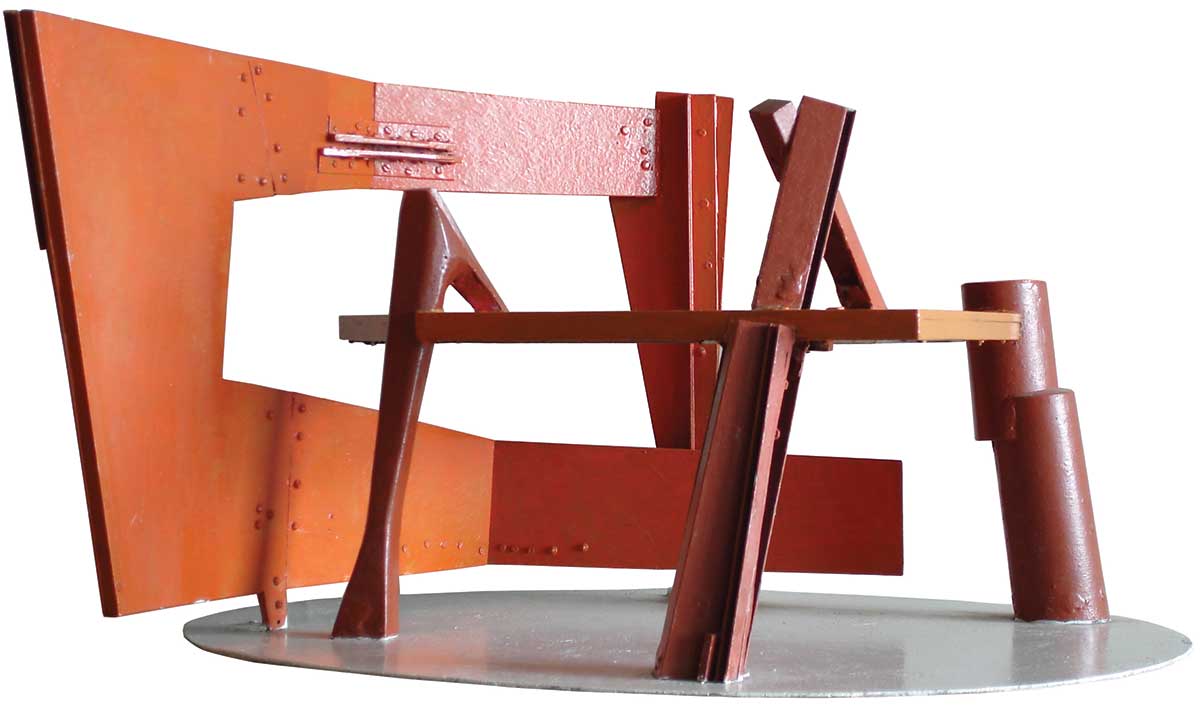
A selection of 13 sculptures by the artist Martín Blaszko (Berlin, 1920)—an Argentine by choice since 1946—cast in bronze and painted aluminum. Displayed on the museum’s terrace, the works offer a journey through his extensive career, from the 1940s to the present day.
These sculptures are unique in that they were designed to be placed in public spaces. They were conceived to interact with the rhythm of the city and its residents, so that people can walk around them and pass through them.
From the very beginning, Martín Blaszko focused his work on themes related to proportion, order, harmony, and universal language—explorations and interests shared by abstract and concrete art and by the origins of the Argentine group Madi.
Blaszko places particular emphasis on the artist’s role in relation to the development of cities and towns. In the artist’s own words: “I have always conceived of sculpture as something to be placed in public space. When I draw, I am already thinking about its relationship to the public sphere”.
Likewise, the artist develops a new concept of monumentality, based not on the actual dimensions of the work, but on proportional relationships.»The monumentality of a sculpture is not merely a matter of height. It is a matter of the internal organization of the forms and the sensations that the artist reflects in the sculpture. (…) That is why I have always sought monumentality, whose characteristic is precisely not the identification of the self with the self, but with other laws or the expression of one’s place within the cosmos,”the artist states in an interview with María Teresa Constantín, published in Martín Blaszko. Una cita con sus semejantes (2000).
Martín Blaszko
He was born in Berlin, Germany, in 1920. He studied in Poland, in the city of Łódź, under Jankel Adler and Enrique Barczinski, but, according to the artist himself, his deepest learning came from observing great works of art.
In 1939, after a brief stay in Paris during which he met Marc Chagall, he traveled to Argentina, where he settled. In 1945, he came into contact with the Uruguayan artist Carmelo Arden Quin and participated in the launch of the Madí group in Buenos Aires. This group introduced him to a very particular form of artistic expression: the mastery and conscious control of artistic media and the absence of individual signatures.
His work is included in public and private collections in Argentina (Malba, MAMBA), Venezuela (Fundación Cisneros), the United States (MADÍ Museum, Dallas; Aldo Castillo Gallery, Chicago), Italy, France, Germany, Spain, Switzerland, and Japan.