Exhibitions → 2025

Luis Felipe Noé
Homage

From June 11 to October 27

Floor 1

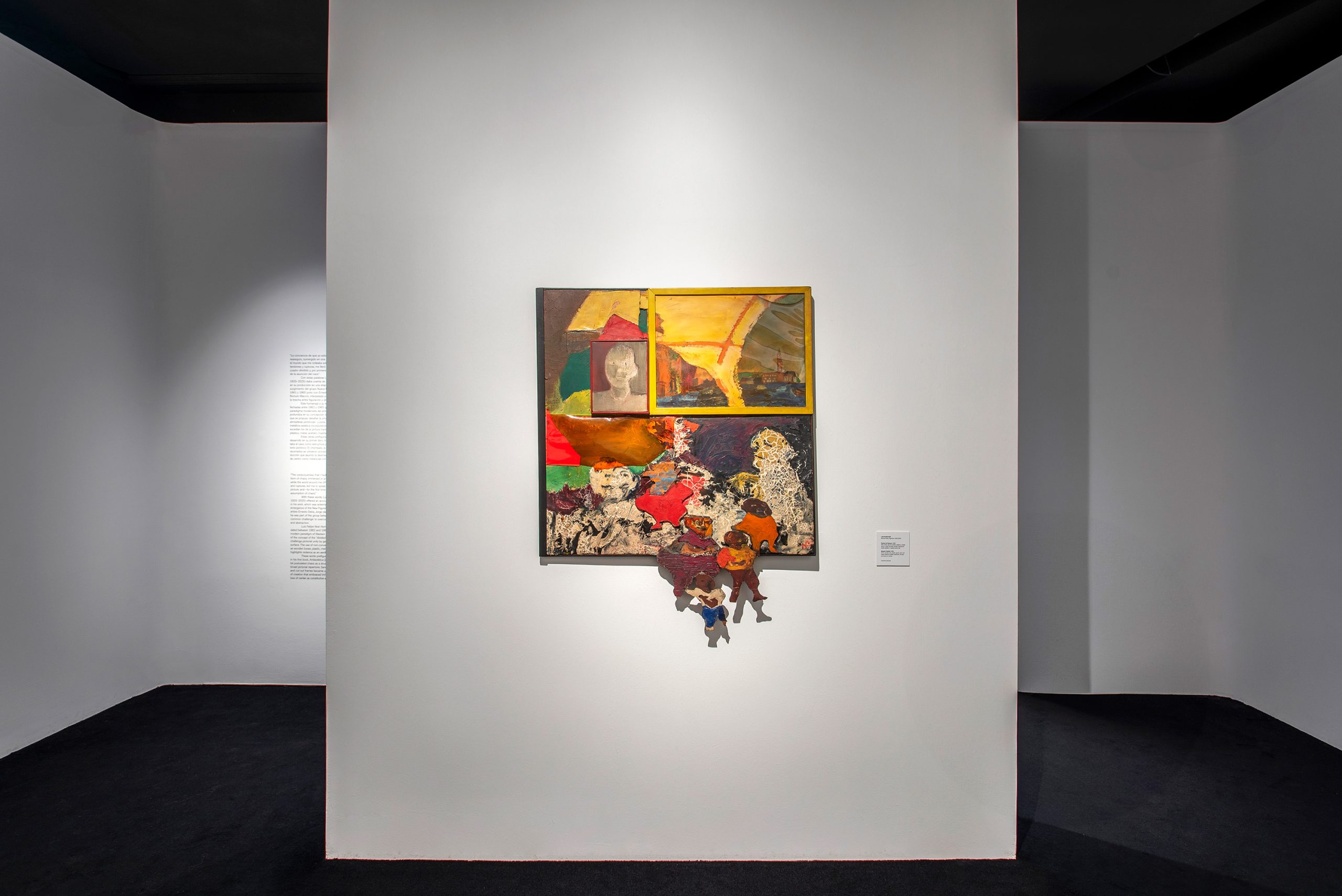
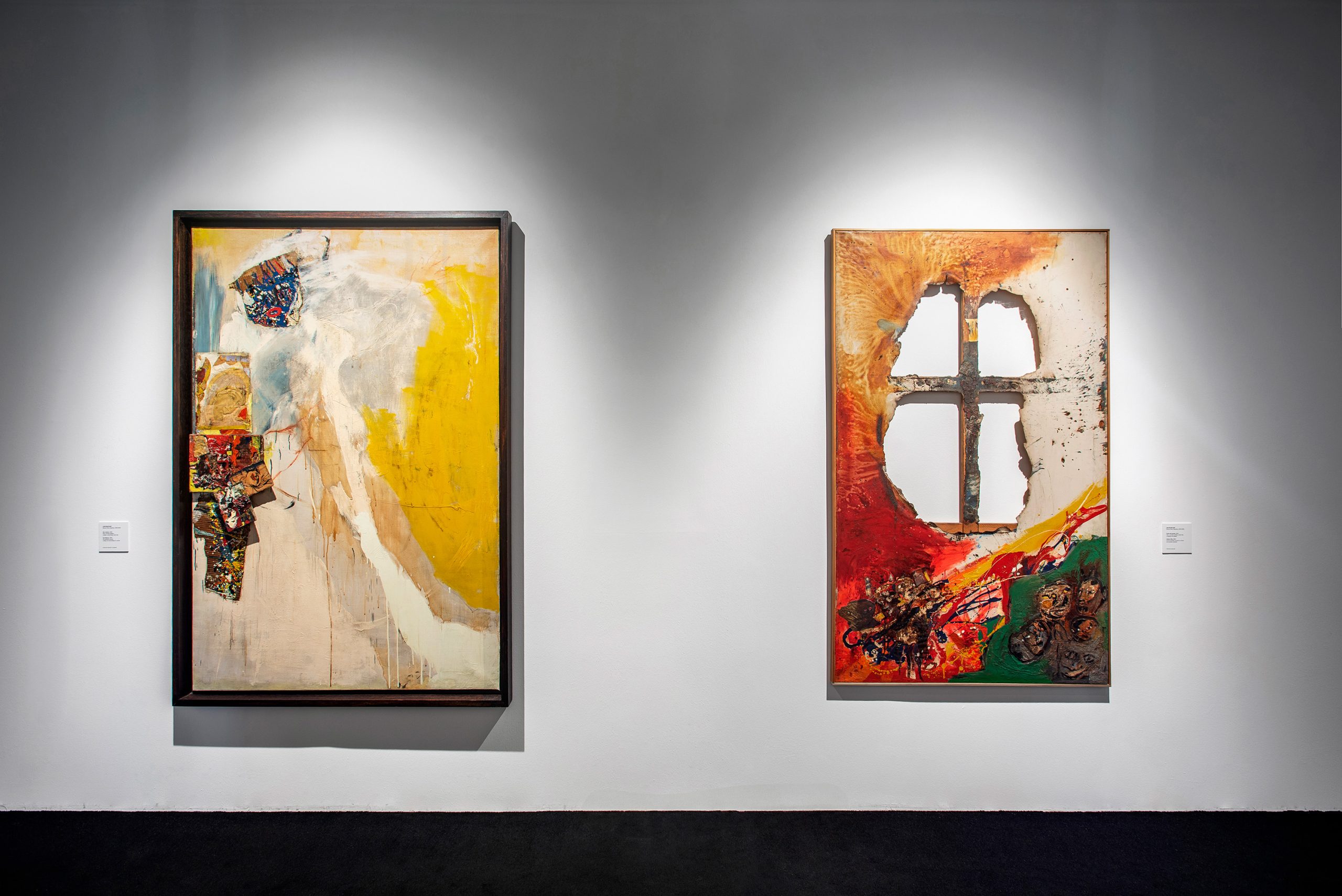
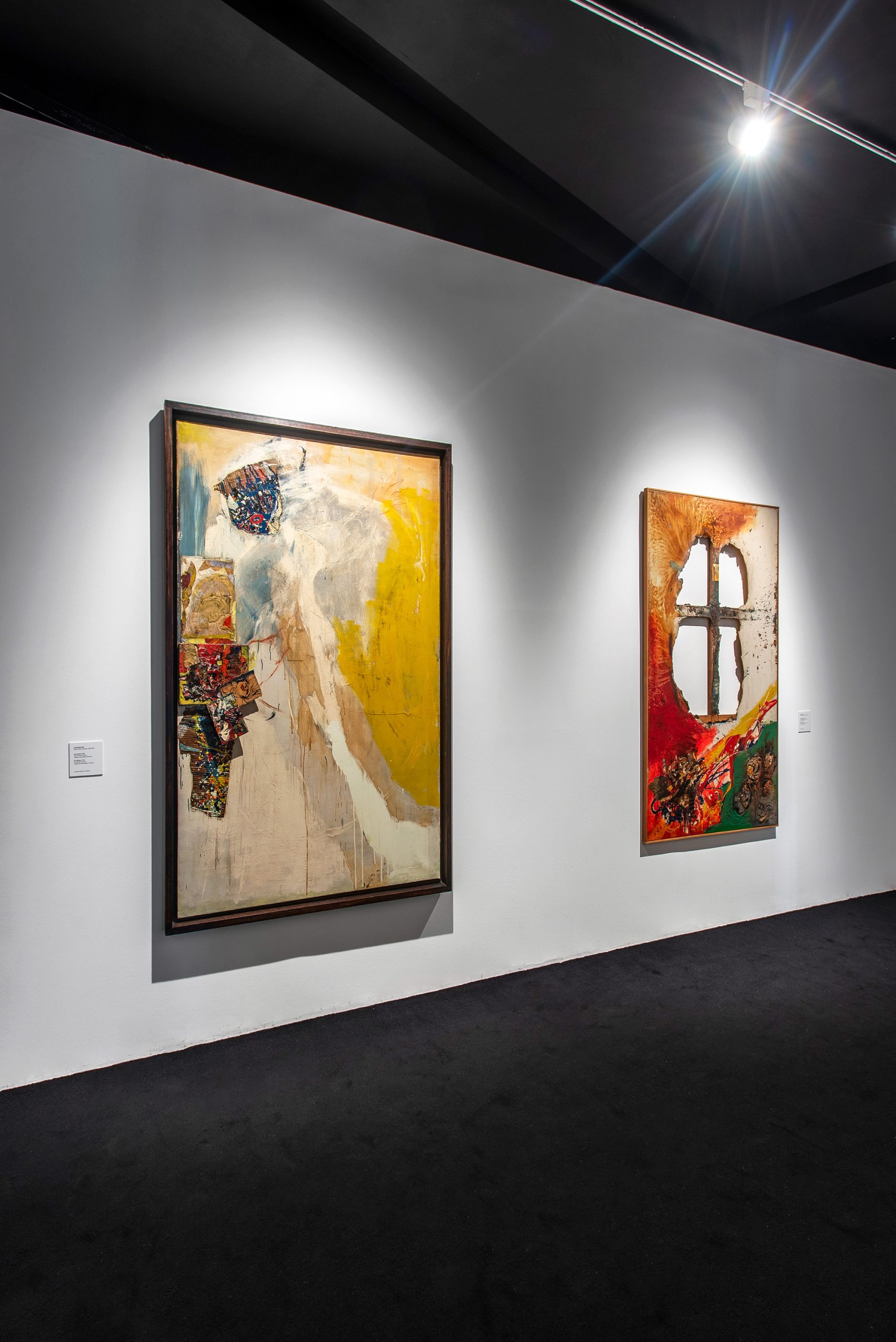
An exhibition paying tribute to Luis Felipe Noé (Buenos Aires, 1933–2025), a key figure in Argentine art and a protagonist of almost seven decades of history and constant creation. In a specially designed room on Level 1 of the museum, the exhibition brings together five pieces dated between 1962 and 1965 that express the crisis of the modernist painting paradigm. In these works, Noé delves deeper into his concept of the “divided frame” and highlights violence as an aesthetic metaphor by breaking the canvas and the structure of the frame and incorporating everyday materials that go beyond those of traditional painting: wooden boxes, plastic, metal, acetate, epoxy putty, and others.  

Descubrí más

Access exclusive activities and discounts


Event Details

This event finished on 27 October 2025


The works belong to the Nueva Figuración (New Figuration) period—a group he co-founded in 1961 alongside Ernesto Deira, Rómulo Macció, and Jorge de la Vega—and his quest to bridge the gap between figuration and abstraction through aesthetics that used all available expressive means to create his own language. They also foreshadow the notions that Noé developed in his first book: Antiestética (1965), where he proposed chaos as a structure for understanding the broad pictorial repertoire. Dripping, drawing, collage, and cut-out frames became urgent procedures for a production that embraced excess, imbalance, and loss of center as constitutive instances of vitality. 

Influenced by his perception of the surrounding reality and political struggles in Argentina and the world, Noé saw chaos as “another order,” a vital and generative force in constant transformation. This “aesthetic of chaos” is reflected in his fragmented vision of the world in pursuit of constant change and in the rupture of the concept of unity in painting. Noé radically questioned traditional painting by using collages, materials foreign to canvas, and attached, inverted, or cut-out frames. His installations extended the pictorial work into space, seeking to immerse the viewer in chaos. He also integrated writing into his works, complementing his visual practice with profound theoretical reflection. 

“The realization that I had only accepted chaos with reassurance, immersed in an enveloping atmosphere, when the world around me offered me nothing but tension and rupture as a spectacle, led me to speak of broken vision, divided picture, and, for the first time consciously, of the acceptance of chaos.”, wrote the artist himself.  

More information available at the Noé Foundation website.

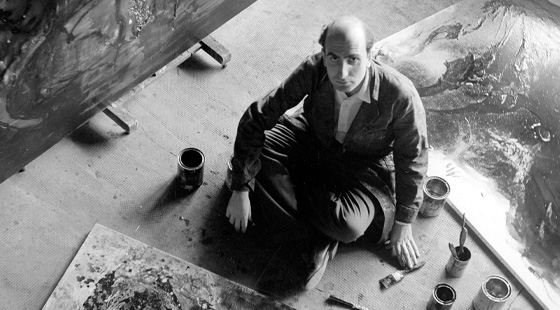
Luis Felipe Noé

Buenos Aires, 1933–2025

His early education combined law studies with an intense dedication to painting under the tutelage of Horacio Butler. In the mid-1950s, he abandoned law and immersed himself in the world of art and journalism, distinguishing himself as an art critic and contributor to several newspapers. In 1959, he held his first solo exhibition and befriended key figures in Argentine art, such as Macció, Deira, and De la Vega, with whom he would later join the Nueva Figuración movement. Throughout the 1960s, his work was characterized by a fragmented view of the world. He participated in important international exhibitions, such as the Premio Di Tella and the Guggenheim International Award. In 1965, he published Antiestética, in which he articulated his theory of chaos as structure. After a series of radical installations, in 1966 he interrupted his pictorial production for nine years, devoting himself to environmental and theoretical exploration. His return to painting in 1975 marked a new expressive period. Exiled after the 1976 military coup, he lived in Paris, where he continued to exhibit and teach. From the 1980s onwards, his work returned to painting with force, addressing both contemporary chaos and Latin American identity.

He has held more than one hundred solo exhibitions. In 2009, he represented Argentina at the 53rd Venice International Art Exhibition and was the guest of honor at the 20th Curitiba International Biennial in 2013. Among other awards, he has received the Di Tella National Prize (1963), scholarships from the French government (1961) and the John Simon Guggenheim Memorial Foundation (1965 and 1966). For his career, he has been awarded the Grand Prize of Honor from the National Arts Fund (1997) and the Konex Brillante Award for Visual Arts (2002). The Legislature of the Autonomous City of Buenos Aires declared him an Illustrious Citizen (2006). He has published numerous books, among which the following stand out Antiestética (1965); Una sociedad colonial avanzada (1971); Códice rompecabezas con recontrapoder sobre cajón desastre (1974); Noescritos, sobre eso que se llama arte (2007);  Mi viaje – Cuaderno de bitácora (2015); En terapia (2018), El arte entre la tecnología y la rebelión (2020), El ojo que escribe (2024) and Asumir el caos. En la vida y en el arte (2024).

Image gallery

Access exclusive activities and discounts