Event Details
This event finished on 29 August 2011
- Categories: Exhibitions
- Tags: Plantilla histórica
07.13 — 08.29.2011
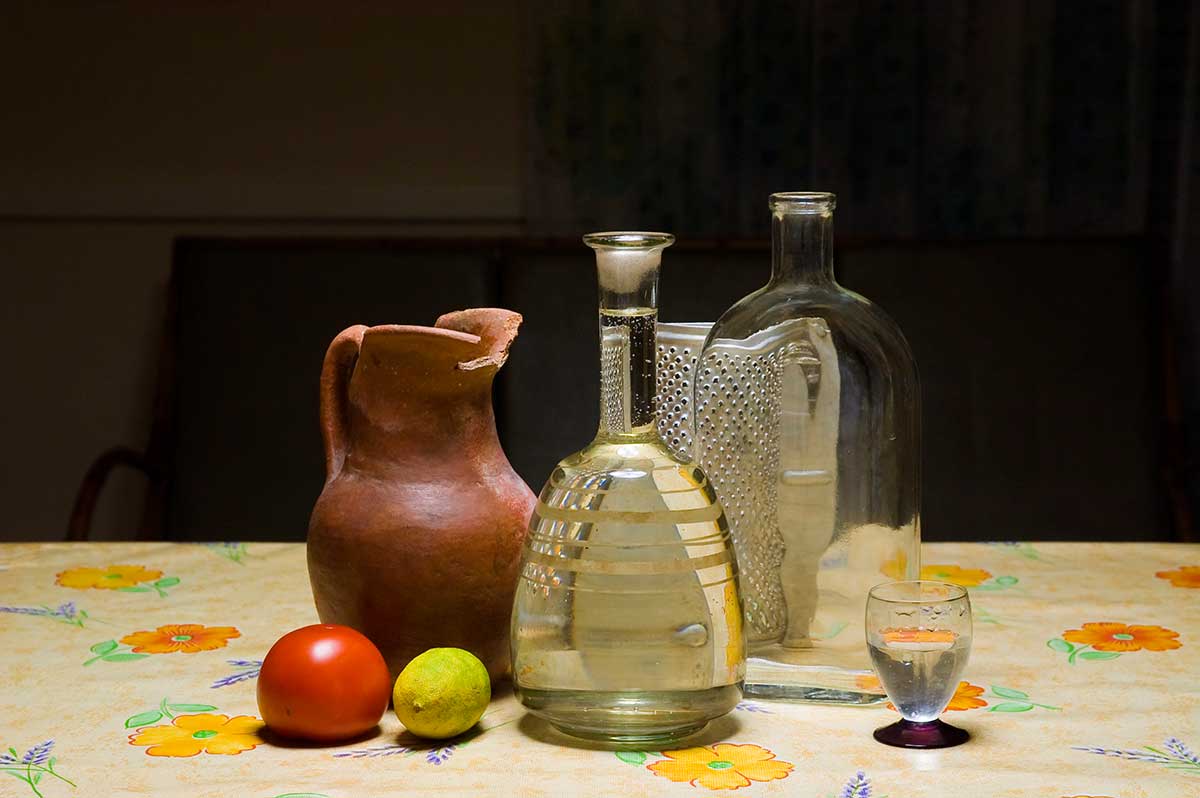
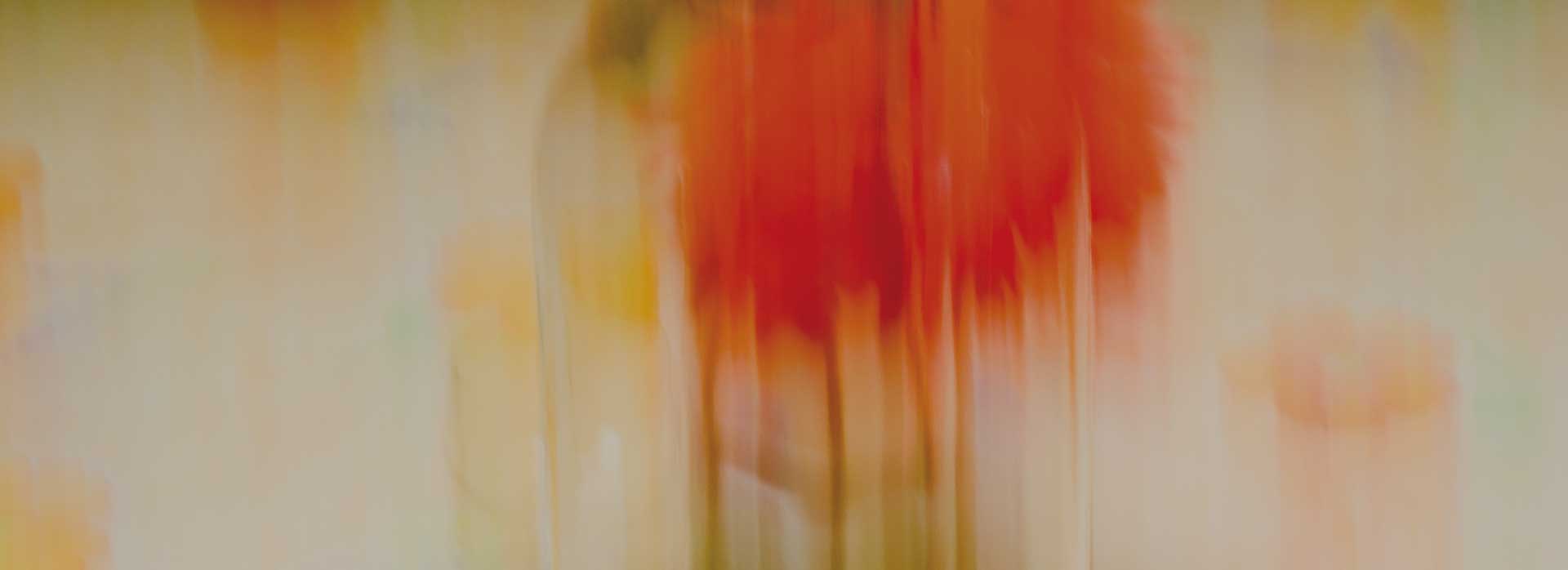
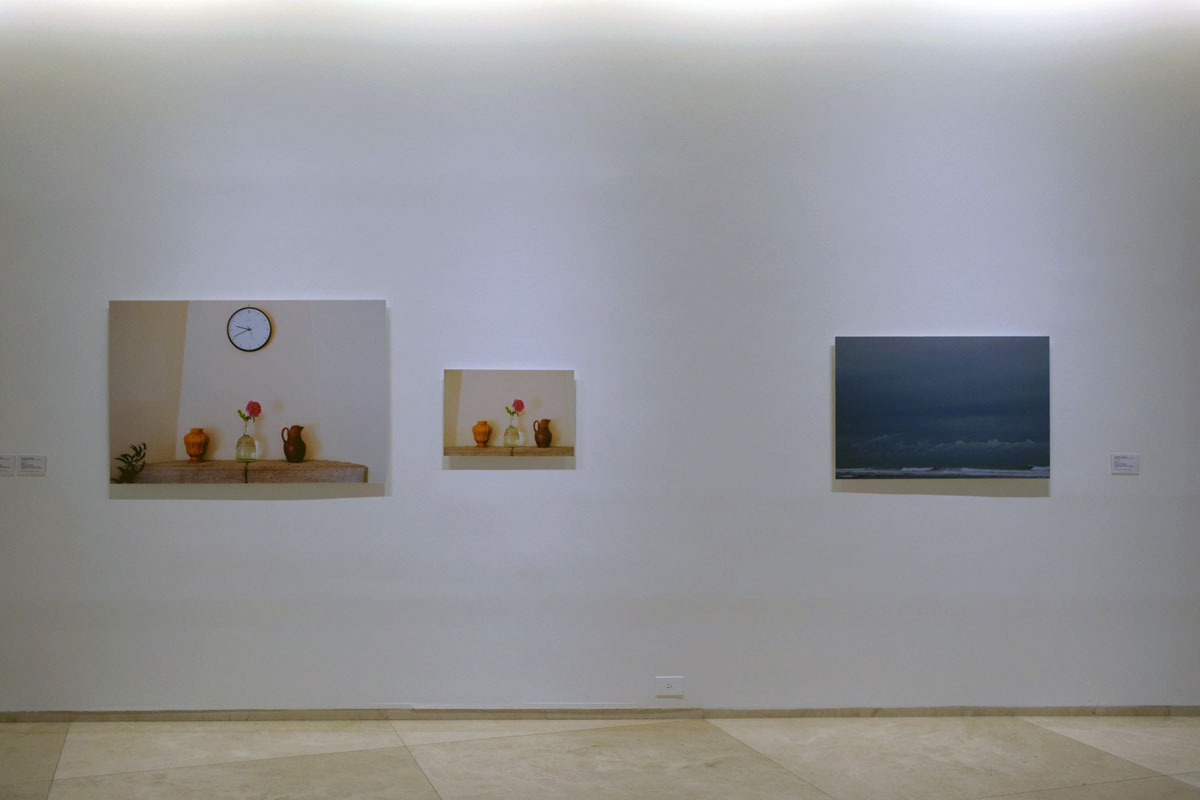
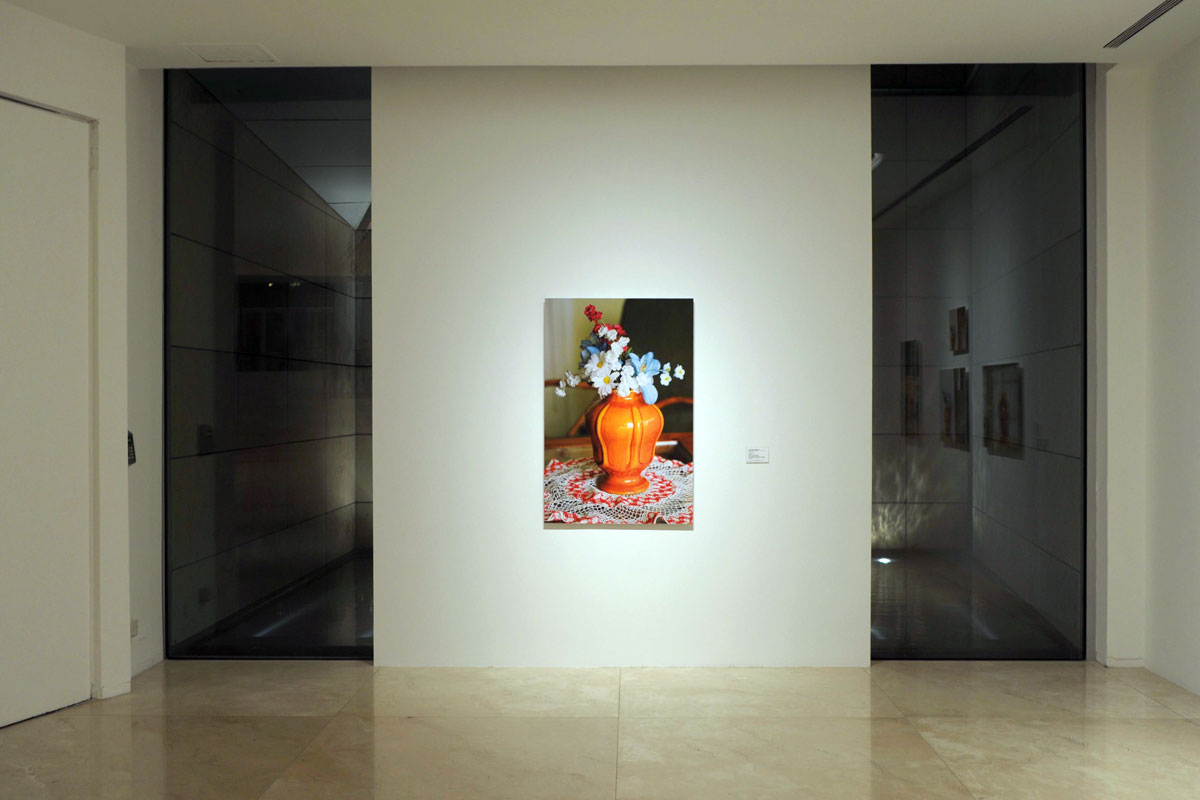
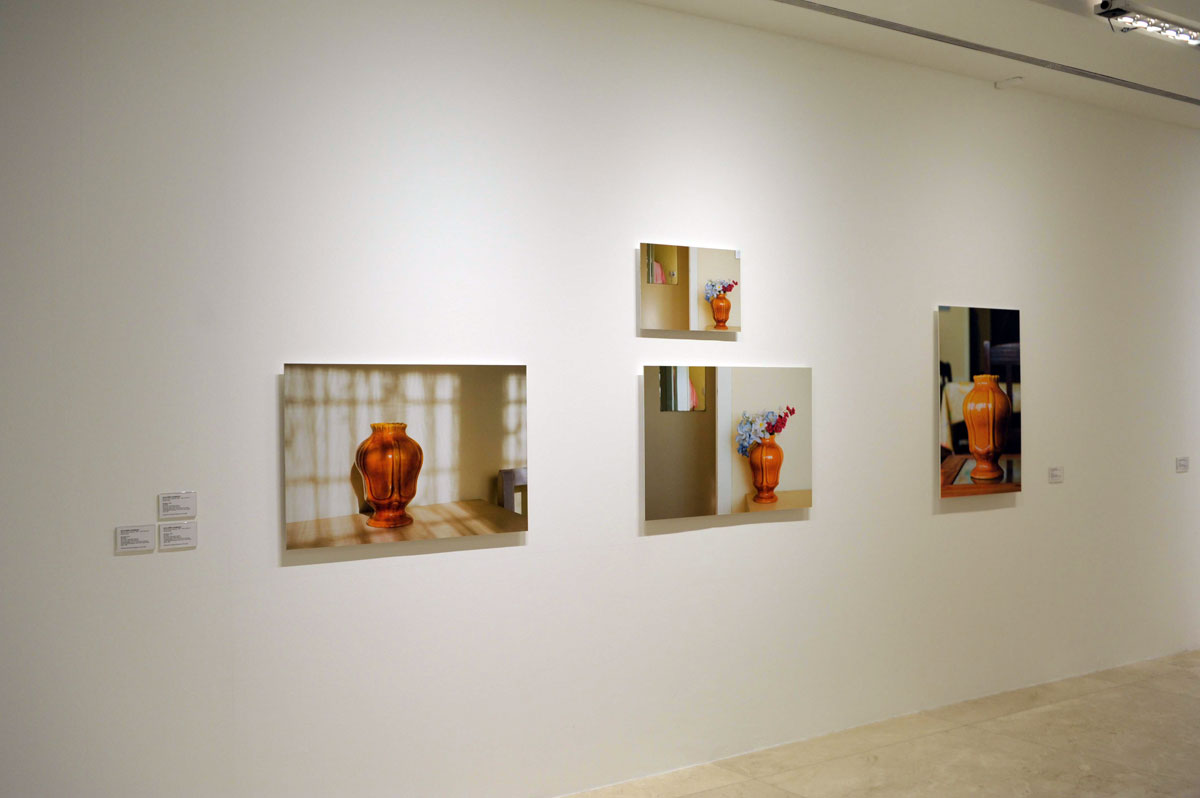
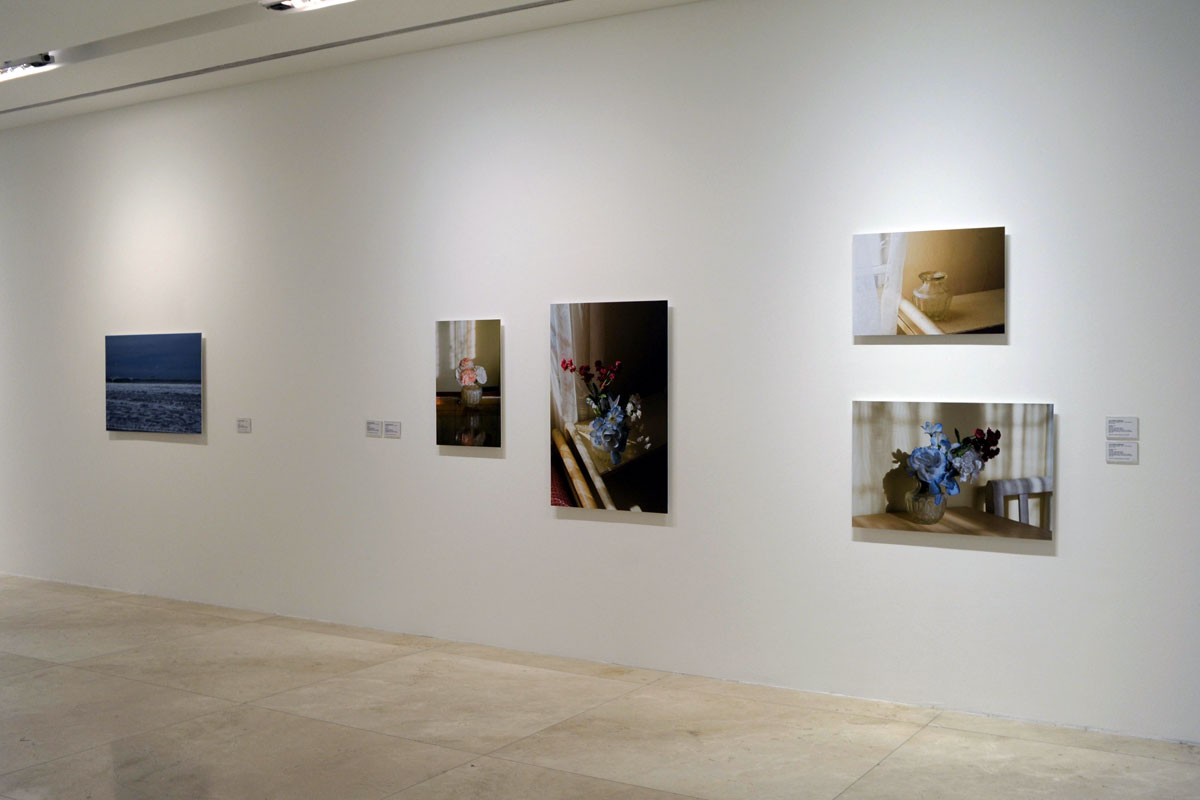
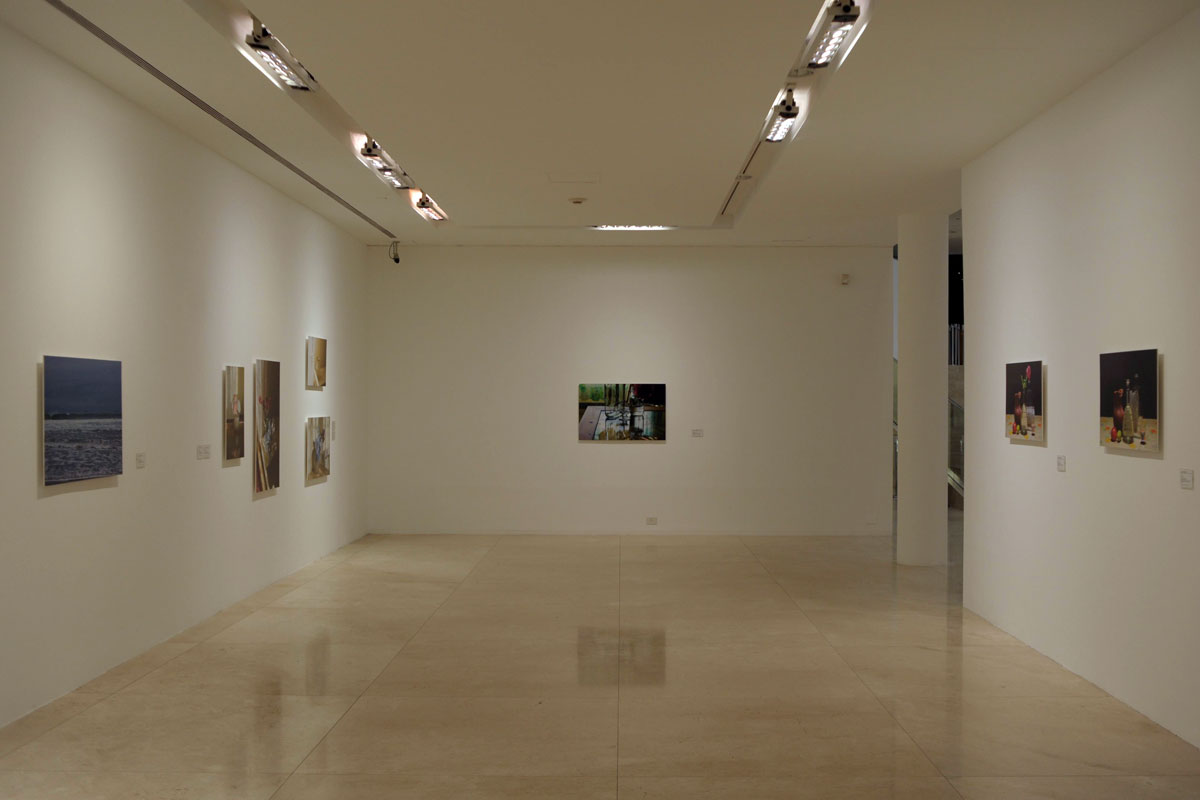
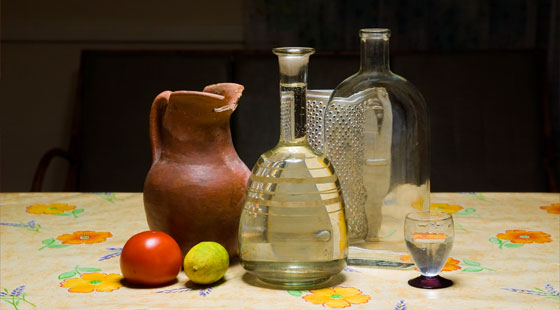
A selection of 25 photographs by Guillermo Giambiagi (Buenos Aires, 1957), taken between 2008 and 2011, which focuses on the artist’s former family summer home and reveals his obsessive search for certain objects and his past.
“The images Giambiagi presents in this exhibition sketch out a vague map of memory. Of the role memory plays in the construction of a life”, reflects critic Daniel Molina in the essay accompanying the exhibition. “His insistence on detail, on minute variations, on small gestures is what allows him to construct an infinite universe out of almost nothing: that of a life conceived as pure remembrance”, he states.
In this return to her family’s past, Cristina Schiavi—the exhibition’s curator—recognizes a plasticity more typical of painting, perhaps influenced by her great-uncle Carlos Giambiagi (1887–1965), who is also featured in the exhibition with an oil painting from the 1950s that, coincidentally, depicts a vase of flowers—one of the central motifs of Naturaleza Quieta.
“His pictorial style also brings to mind other (more baroque) floral scenes created by 17th-century Dutch painters such as Hans Bollongier and Rachel Ruysch”, explains Schiavi, adding: “He is a collector of details, of their real and potential connections. And it is from that strange relationship—the stillness and the pictorial atmosphere—that the pleasure and power of his images stem, the curator asserts. Classically trained, Giambiagi has worked for decades with analog cameras. This is his first solo exhibition using a digital camera, but his photographs remain direct, enlarged shots, without post-production».
Guillermo Giambiagi
He was born in 1957 in Buenos Aires, Argentina. In 1976, he left the country and settled in Barcelona, Spain. In 1980, he began studying photography at the International Center of Photography in Barcelona. One of his teachers was Manel Esclusa. He worked in a black-and-white darkroom and experimented with pinhole photography. He exhibited for the first time in a group show held at the International Center of Photography in Barcelona.
His training was largely self-taught, focusing on direct-print black-and-white analog photography, as well as the development and printing of his own negatives.
In 1985, he returned to the country and resumed his photography practice from a small darkroom set up in an office, while working at a family business. In 1986 and 1987, he participated in group exhibitions at the Fotoespacio of the Recoleta Cultural Center, and in 1990, at the same center, he took part in La Nueva Mirada III, an exhibition that was also presented at the Museum of Plastic Arts in the city of Chivilcoy, Buenos Aires Province. He exhibited at the National Photography Salon in Buenos Aires in 1988, 2006, and 2007. In 1991, he presented a series of black-and-white studio photographs taken with natural light, titled Desnudos. At the Fonds Culturel de la Ville de Lausanne in Switzerland, he exhibited the series Bodegones y Paisajes de Playa in 2003.
In 2007, as part of Palermo’s Gallery Nights, he exhibited his digitized black-and-white analog photographs at Espacio Flichman. In 2009, he participated in the 6th Regional Contemporary Art Exhibition at the Museum of the National University of Tucumán, as well as in the group exhibition A pasitos de la Rural at the Mark Morgan Perez Garage in Buenos Aires.
Since 2005, he has been working with digital photography and experimenting with color, following the principles of direct exposure. In 1989, he received an honorable mention from the CAYC / International Association of Art Critics. He lives and works in Buenos Aires.