03.24 — 06.25.2017
Curator: Agustín Pérez Rubio
Gallery 5, Level 2; Gallery 3, Level 1
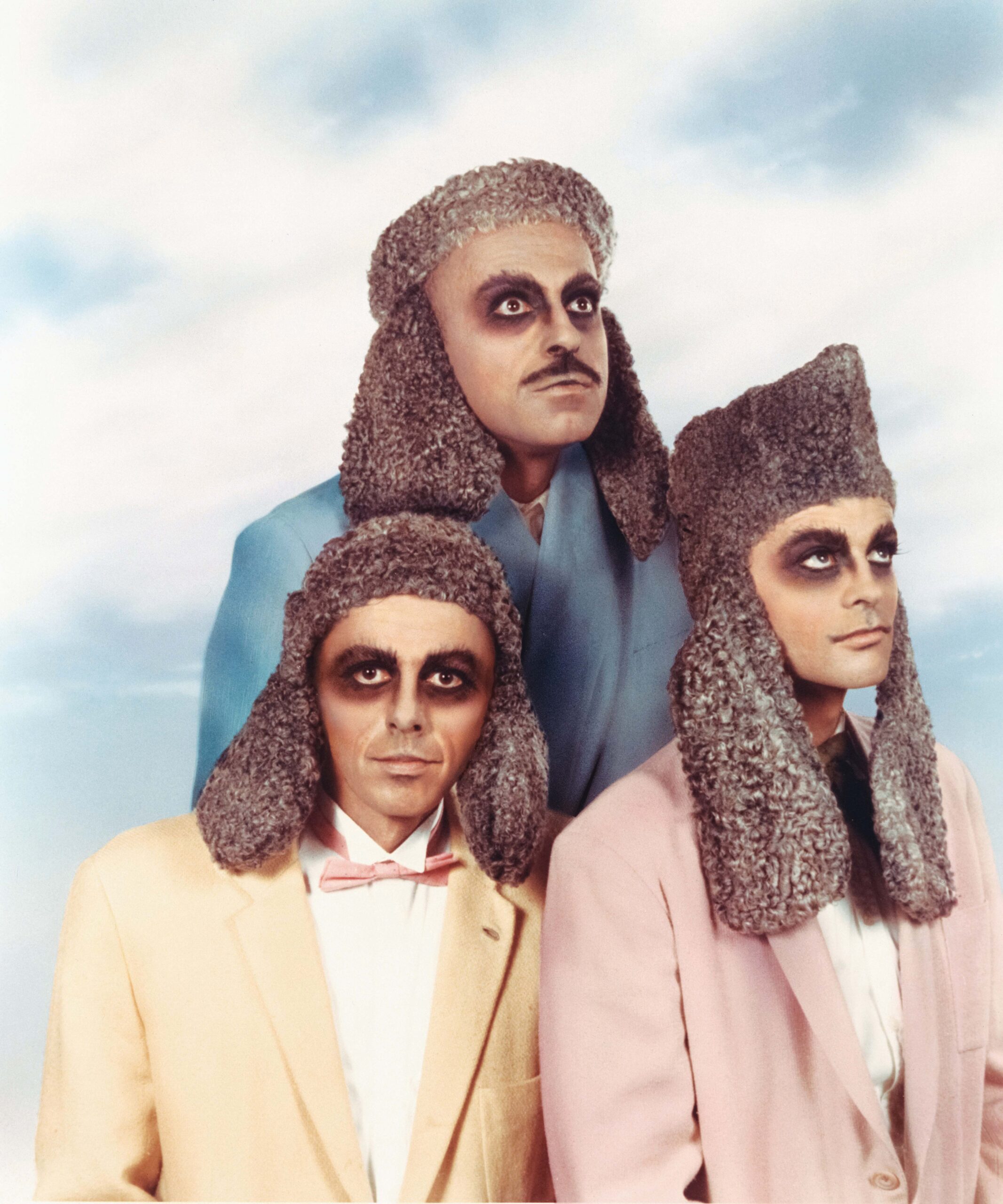
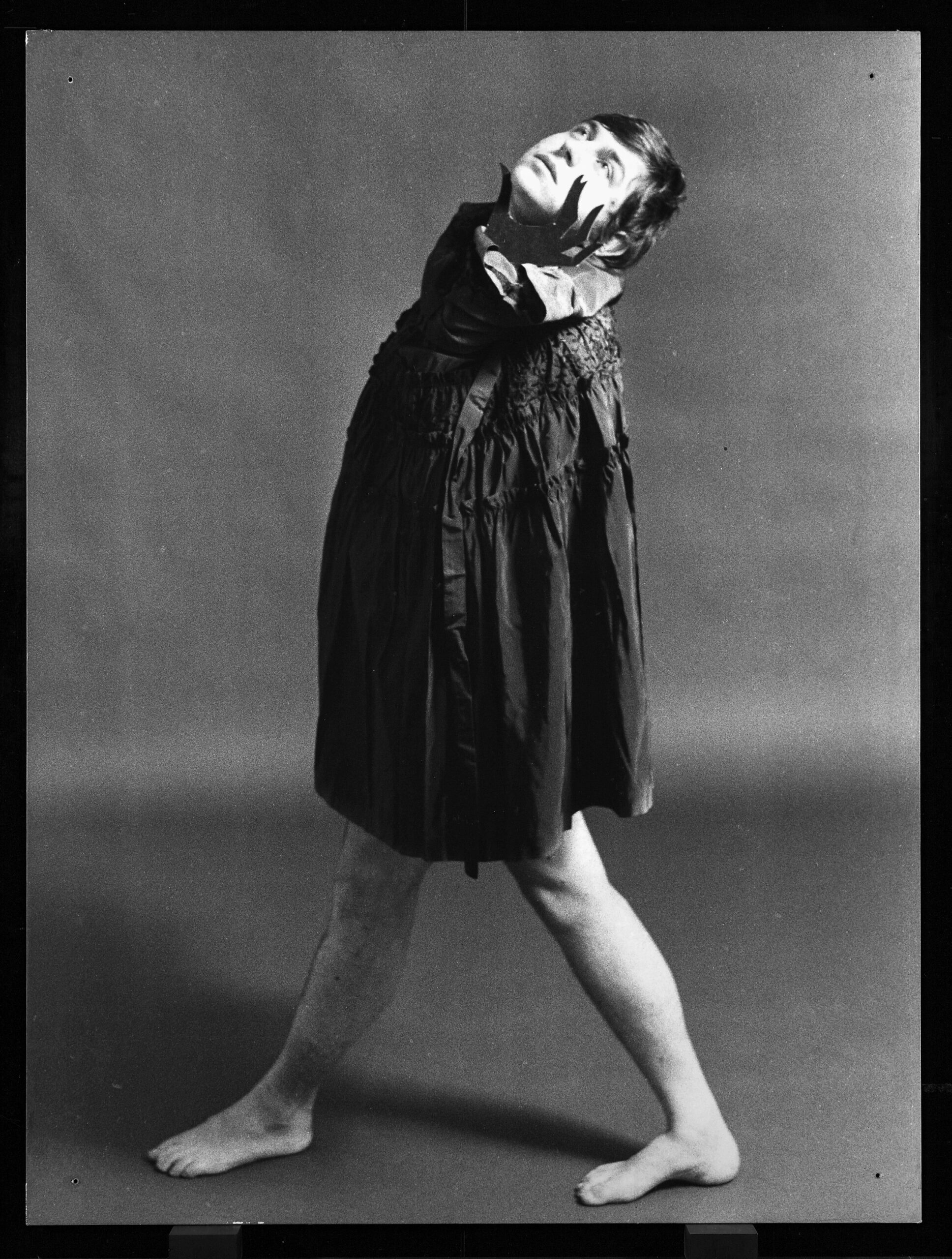
Broken Time is the first retrospective in Latin America of General Idea, a collective of Canadian artists formed in 1969 by AA Bronson (b. Michael Tims, Vancouver, Canada, 1946), Felix Partz (b. Ronald Gabe, Winnipeg, Canada, 1945 - Toronto, 1994), and Jorge Zontal (b. Slobodan Saia-Levi, Parma, Italy, 1944 - Toronto, 1994). Over the course of its twenty-five years of existence (1969-1994), the group produced a large body of groundbreaking works on an array of supports and in a variety of formats. It is still a point of reference for new generations of artists around the world.
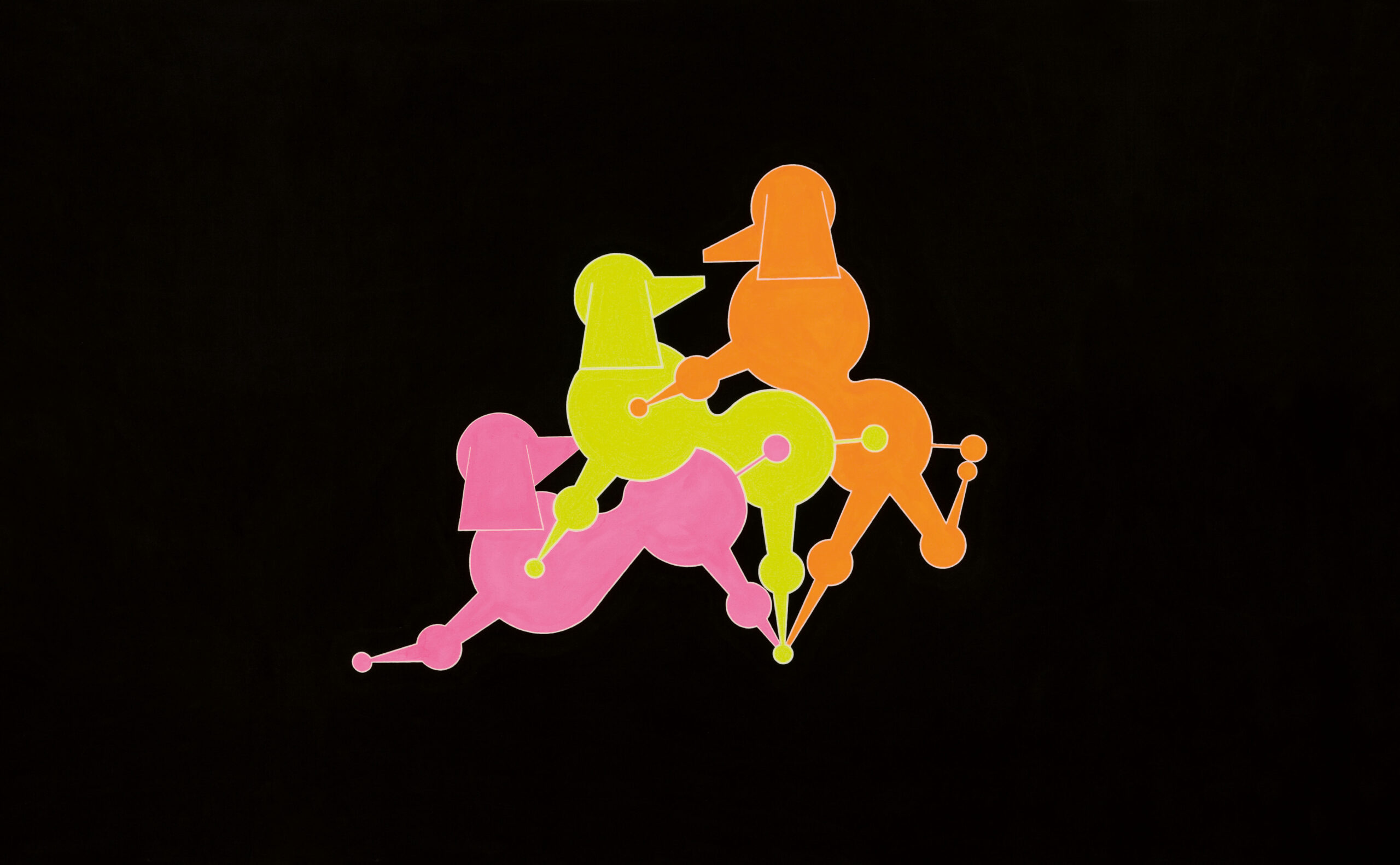
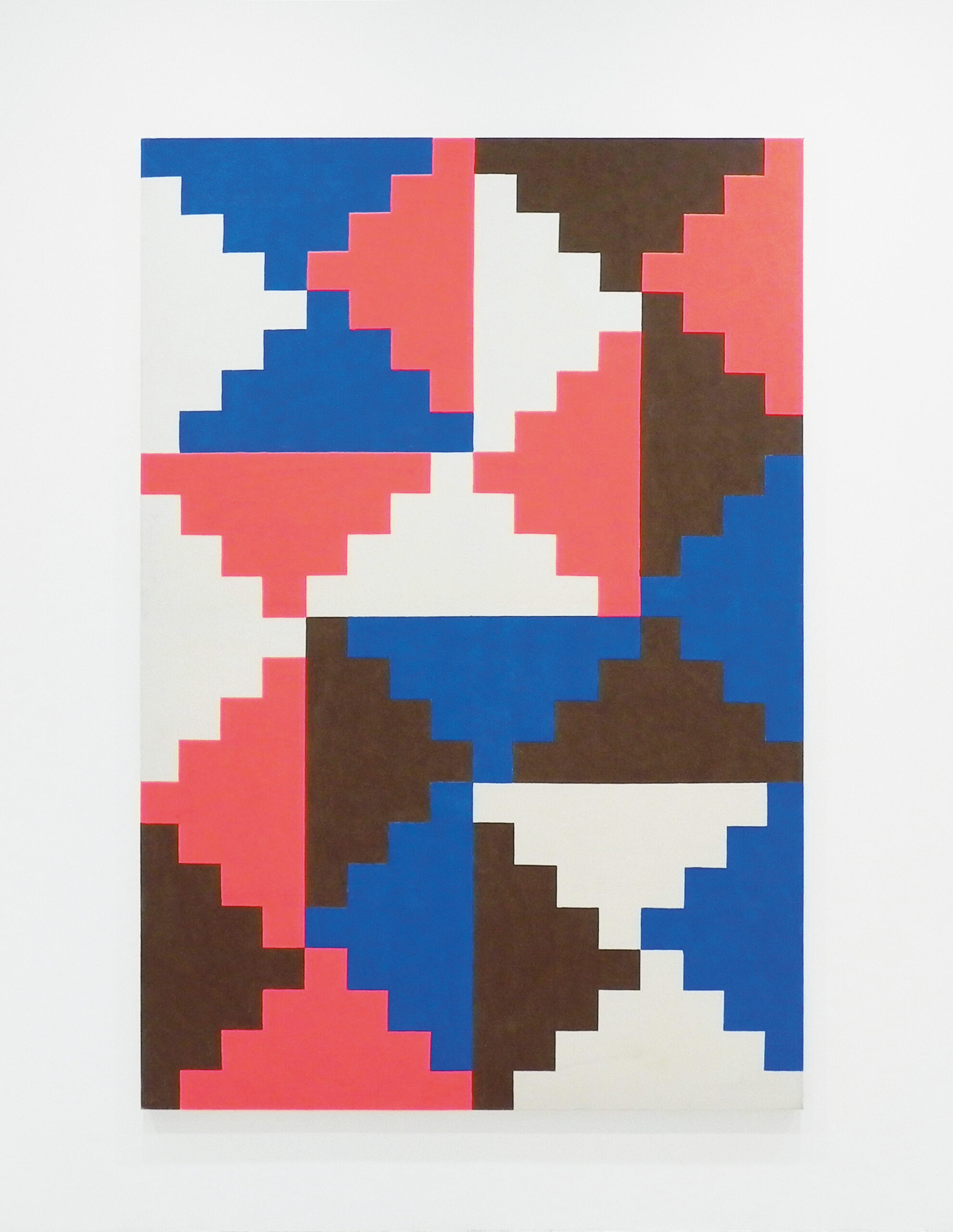
Curated by Agustín Pérez Rubio, artistic director of MALBA, the exhibition provides an overview of General Idea’s trajectory. It addresses topics like archeology, history, sex, race, disease, self-representation, and the group’s myth of itself—a recurring theme in its production. The show encompasses close to one hundred and twenty works in all of the formats the collective used (performance, video, photography, publication, installation, and multiple editions of objects for mass consumption)
The aim of the project is to expand the horizon and outreach of the group’s legacy. It encompasses their first joint works, produced in 1969 and 1970, and their final creations, produced in 1994, the year when both Partz and Zontal died of complications related to AIDS. The conceptual focus of the show revolves around the alteration of time, the ephemeral, and the creation of myth by means of advertising, design, fashion, beauty contests, and the mass media.
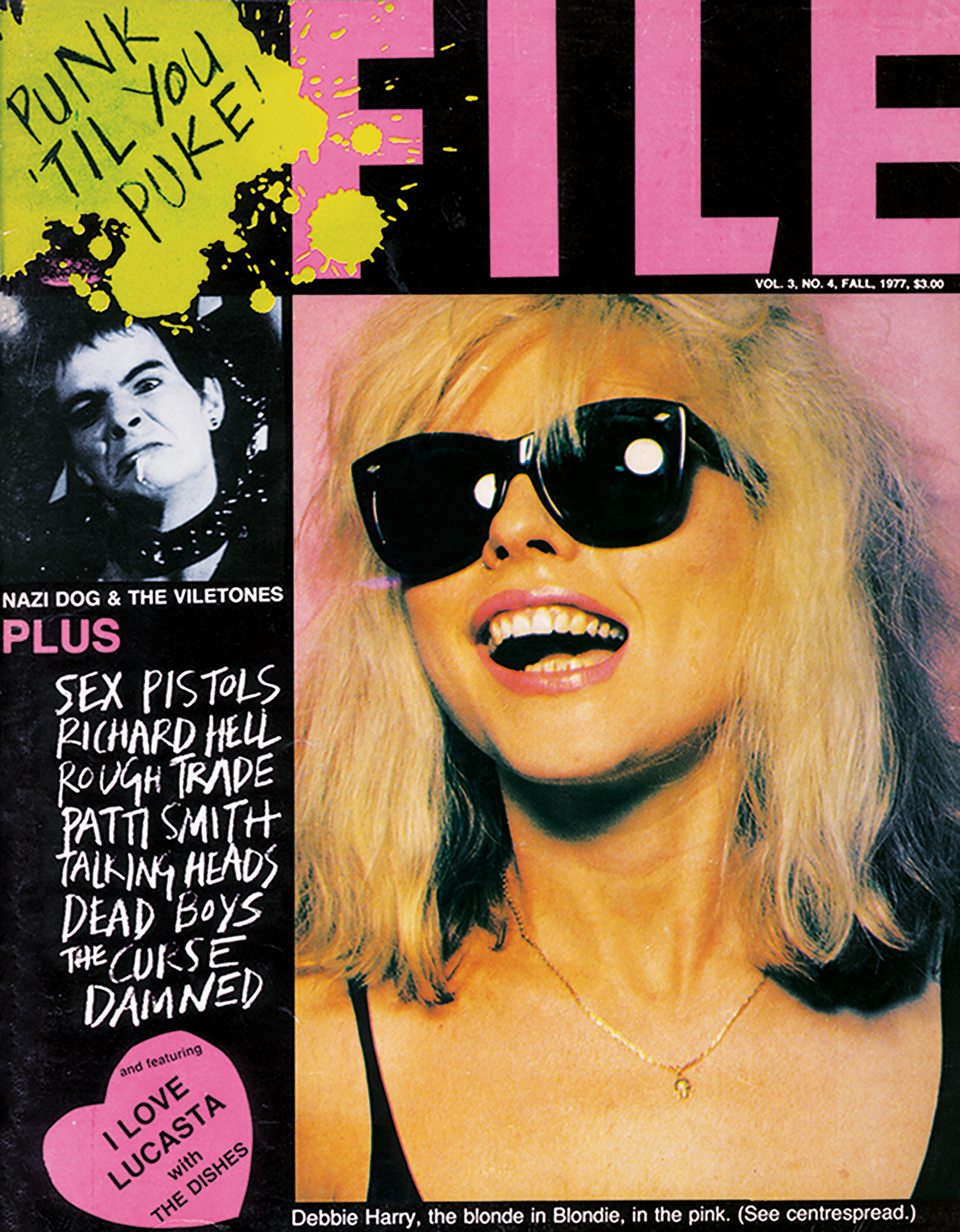
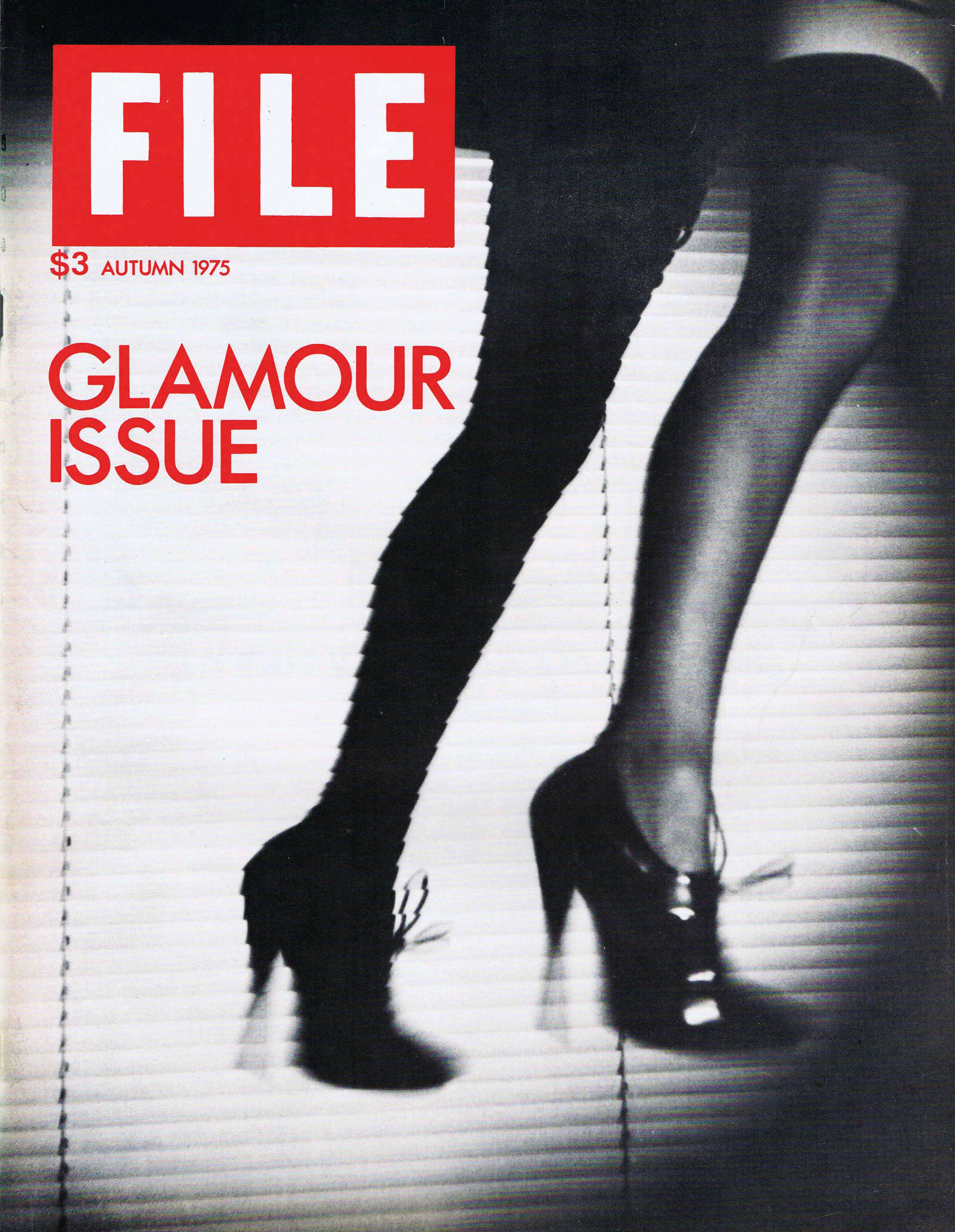
General Idea published the magazine FILE from 1972 to 1989. The celebrated publication appropriated the design of LIFE magazine; some of the most radical artists and collectives of the period contributed to FILE, among them the collective Art Language, writer William Burroughs, and bands like The Talking Heads and The Residents.
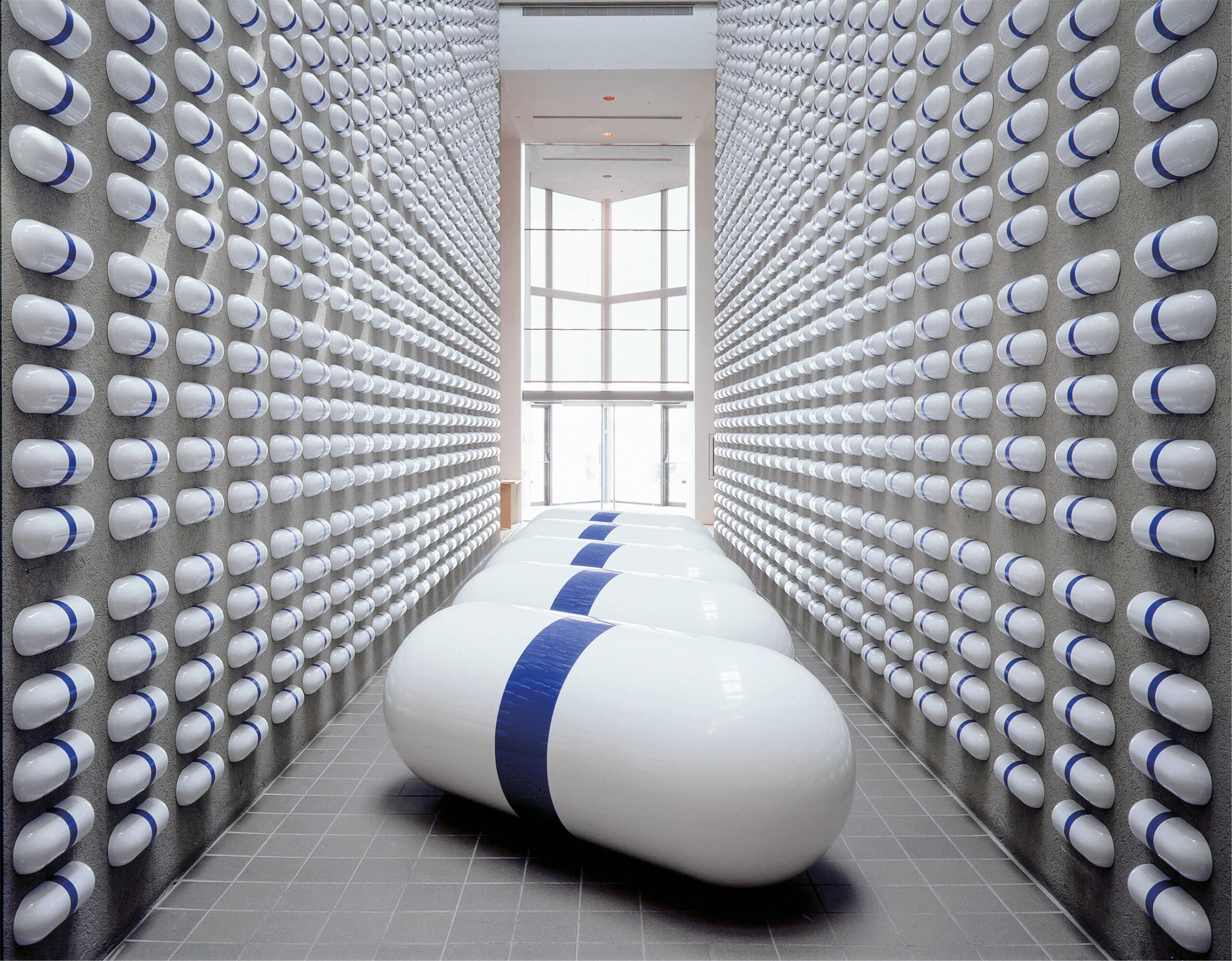
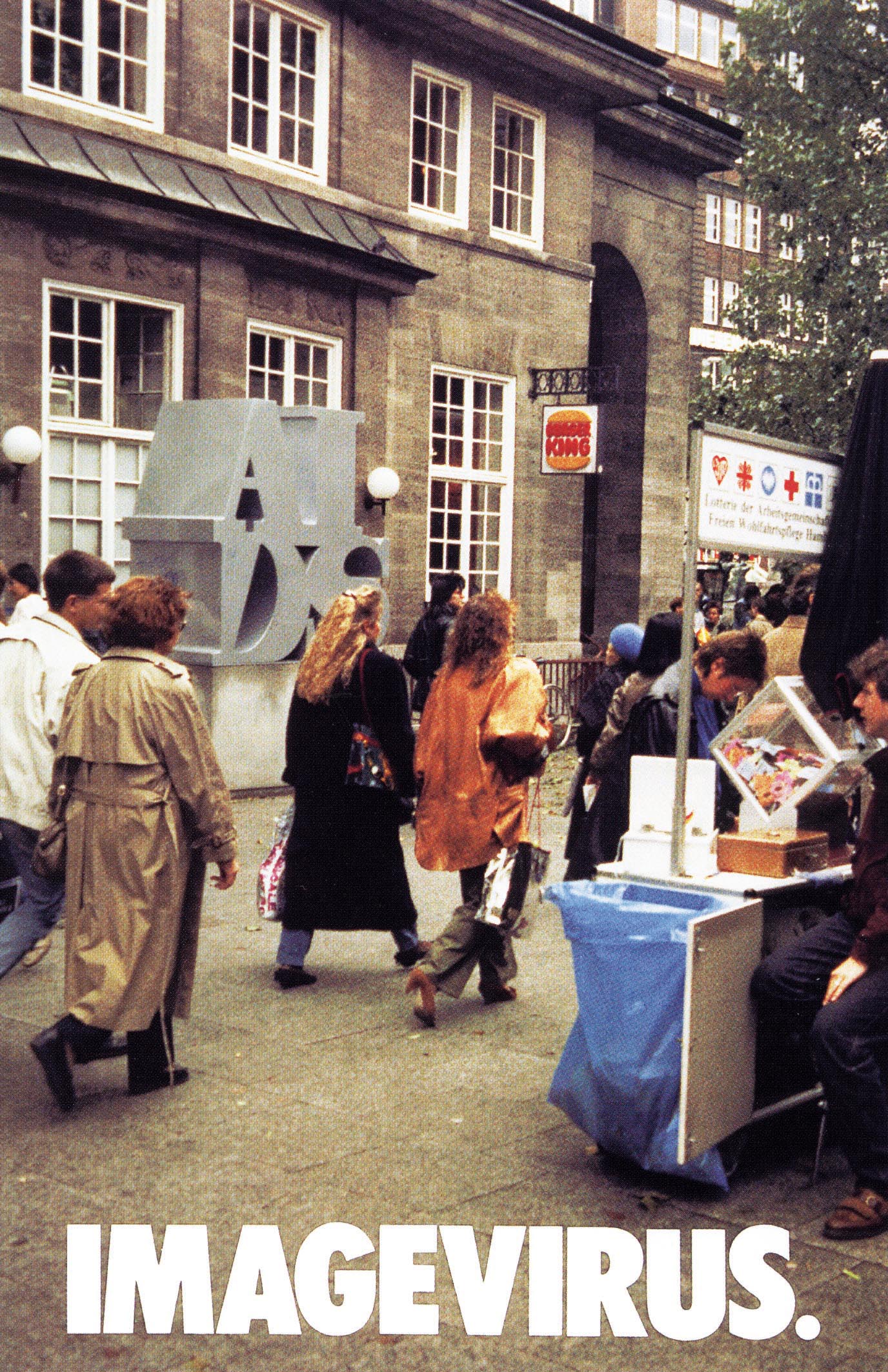
General Idea was one of the first collectives to address AIDS in its work. In 1987, it looked to Robert Indiana’s LOVE statue to make a work with the word AIDS, creating a logo that appears in many of the pieces in this show. Featured as well are experimental projects from the sixties and seventies like Double Mirror, Miss General Idea (produced in 1984), Miss General Idea Pageant, Miss General Idea Pavilion, and large installations with pills that attest to the social and political dimension that the collective’s works had at the time and, indeed, continue to have.
This exhibition was co-produced by MALBA and Fundación Jumex, where it was previously presented between October 27 and February 12.
Supported by The National Gallery of Canada.
Opening: Thursday, March 23, 7:00 p.m.
At 6:00 p.m., public interview with AA Bronson by Agustín Pérez Rubio.
Please confirm attendance at prensa@malba.org.ar | 4808 6504
Catalogue
As part of the exhibition, MALBA published a 180-page book in Spanish (with an appendix in English) that includes a wide selection of photos reviewing the group's production and aesthetics, as well as different views of the exhibition at the Jumex Museum, where it was previously presented between October and February 2017.
The book features essays on the group’s production and aesthetic by the show’s curator Agustín Pérez Rubio, and by Gabriel Villalobos, Francesco Scasciamacchia, and Ivo Mesquita.
Mail Art and FILE Magazine
Many of General Idea's early projects involved mail art. Although some of them were incipient developments, they had a concrete relationship with the relational dynamics surrounding epistolary communication: reading, reproduction, sending, and storytelling. General Idea's correspondence with Ray Johnson, the father of mail art, and with other colleagues to develop artistic, literary, and conceptual projects is also well known. Among others, the group had contact with many Brazilian and Mexican artists, such as Ulises Carrión.
This network of relationships shaped a rich experience that was captured in FILE Megazine (1972–1989). The magazine ironically mimics the graphic style of LIFE, since for General Idea, art imitates life in the same way that life imitates art. FILE was used as a tool for experimentation and also as a generator of the collective's mythology. It was also the center of operations and management tool for many of General Idea's projects. As one of its editorials states, “FILE was a cultural parasite in the bloodstream of commercial distribution systems that subtly altered the body of its host.” Some of the most radical artists of the time collaborated on it, including the Art Language collective, writer William Burroughs, and the musical groups Talking Heads and The Residents, among many others.
They also published their “Glamour Manifesto” in FILE [Vol. 3, No. 1, 1975 “Glamour Issue”]:
This is the story of General Idea and what we wanted. We wanted to be famous, glamorous, and rich. In other words, we wanted to be artists, and we knew that if we were famous and glamorous, we could say we were artists and we would be.
We never felt we had to produce great art to be great artists. We knew that great art did not bring glamour and fame. We knew we had to keep one foot in the door of art and we were aware of the importance of berets and paintbrushes. We made public appearances dressed in painter's smocks. We knew that if we were famous and glamorous, we could say we were artists and we would be. We did it and we are. We are famous and glamorous artists.
This is the story of glamour and the role it played in our art.
Miss General Idea and the AIDS problem
In 1970, General Idea began what is perhaps the collective's most important action, one that explores the relationship between myth and time: Miss General Idea, a project that shapes much of their work, from the performance What Happened [What Happened?], 1970], to the destruction of The 1984 Miss General Pavilion [El Pabellón Miss General Idea, 1984], in 1977. It was at this point that General Idea's projects took an aesthetic turn from the conceptual, ephemeral, and performative to the sculptural, pictorial, and videographic.
Miss General Idea reflects competition as a strategy in the art world to win and endure in the artistic arena; the event stems from a popular activity (beauty contests), demonstrating once again the relationship between the real and the artistic; between what art imitates and how it is imitated, and its mythological action. "By combining performative acts with acts of mass culture, artists understood that they were not only indebted to an artistic past limited to making paintings and hanging pictures, but that they were commentators on reality and what was happening in their society. And perhaps in a naive way, they thought that the museum could be a container for ironizing about its own function and from there generating institutional criticism," explains Pérez Rubio.
Irony and humor turned into anger and guerrilla warfare in the late 1980s. AA Bronson and Jorge Zontal lived in New York from 1986 to 1993, and Felix only stayed for a year as he was working from Toronto. These were the years of the AIDS crisis and the representation of the disease, when groups affected by the disease were attacked by conservatism. During these years, they created works about their reality and daily life, such as One Year of AZT (1991), composed of 1,825 white pills with a blue strip hanging on the wall, which form a calendar of the disease: the passage of time and dissolution, at a time when that medication was the only possible treatment for HIV.
In this final stage, General Idea's work was exhibited in a wider variety of formats, places, and times. One example is the AIDS tapestries and posters plastered throughout the city in different formats on walls, buses, and the subway, as well as on T-shirts, bags, and other objects. The virus in its “Burroughsian” form takes over everything, even time. This idea is captured in the series Imagevirus (1989-1991), a set of five posters that convey this virulent idea of the image and the project. One of the most widely disseminated public works, which uses the medium as a means of conveying the message, is the projection of AIDS (1993/1994), which was displayed on a large screen in Times Square in New York.
In the museum's central hall, Pharma©opia (1992) will be on display, consisting of three giant pills suspended in the air, filled with helium and secured to the ceiling by ropes. This piece serves as a reminder not only of the past conditions of people living with AIDS, but also of the persistence of the virus in the present day and the problem of corporate pharmaceuticals.
Fin de siècle
General Idea. Broken Time continues in Room 3 of the museum (Level 1) with the 1994 installation Fin de siècle [End of the Century]. It is a large romantic glacial landscape—constructed from hundreds of layers of Styrofoam—with three small white seals, located in a non-time or mythical time, based on the painting The Sea of Ice (1823) by Caspar David Friedrich. In a sense, it is a “self-portrait” of the group, as are all the works composed of three figures included in the exhibition. The situation of baby white seals was the subject of public debate in the 1980s and 1990s and, as a result, they were declared an endangered species in many countries but not in Canada, where they reproduce in large numbers. There, the seals were hunted and killed with clubs so as not to damage their skins, and the image of red blood on white snow became a media icon in those years. Fin de siècle was created during the period when Partz and Zontal were diagnosed as HIV carriers, and the work was interpreted as a portrait of the artists as victims.
Press Images
Permission to reproduce the images is granted solely for publication alongside press releases, reports, and reviews of the exhibition General Idea. Tiempo partido, on display at MALBA from March 24, 2017, to June 26, 2017. Request a username and password to download the images, along with an explanation of the medium in which they will be published, at prensa@malba.org.ar.