14.07—_ 09.10.2017
Inauguración: jueves 13 de julio, 19:00
Curator: Jeff L. Rosenheim
Gallery 5. Level 2
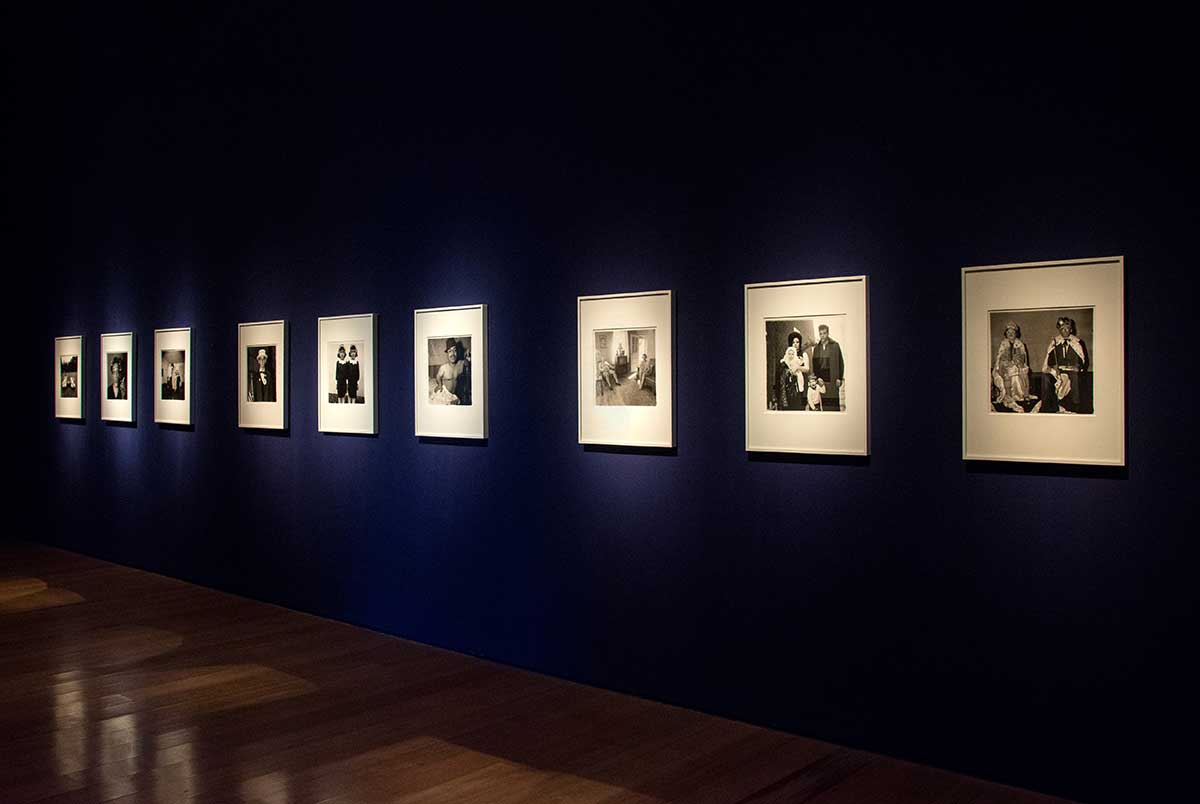
Primera exhibición en nuestro país de Diane Arbus (Nueva York, 1923-1971), una de las fotógrafas más influyentes del siglo XX. Curada por Jeff L. Rosenheim, Curador en Jefe de Fotografía de The Metropolitan Museum of Art Nueva York (The Met), la exhibición reúne más de cien fotos producidas por Arbus entre 1956 y 1962, período en el que la artista desarrolló los temas centrales de su carrera y su singular mirada, que busca registrar, según sus propias palabras, “lo divino en las cosas ordinarias”.
Entitled “In the Beginning,” the show revolves around the first seven years of the artist’s work with her 35mm camera on the streets of New York during which “an evolution took place—from pictures of individuals that sprang out of fortuitous chance encounters to portraits in which the chosen subjects became engaged participants,” explains Rosenheim. “This longing to know, this curiosity about the hidden nature of what she was photographing, coupled with her belief in the power of the camera to make that visible, is, above all, what sets her apart,” he adds.
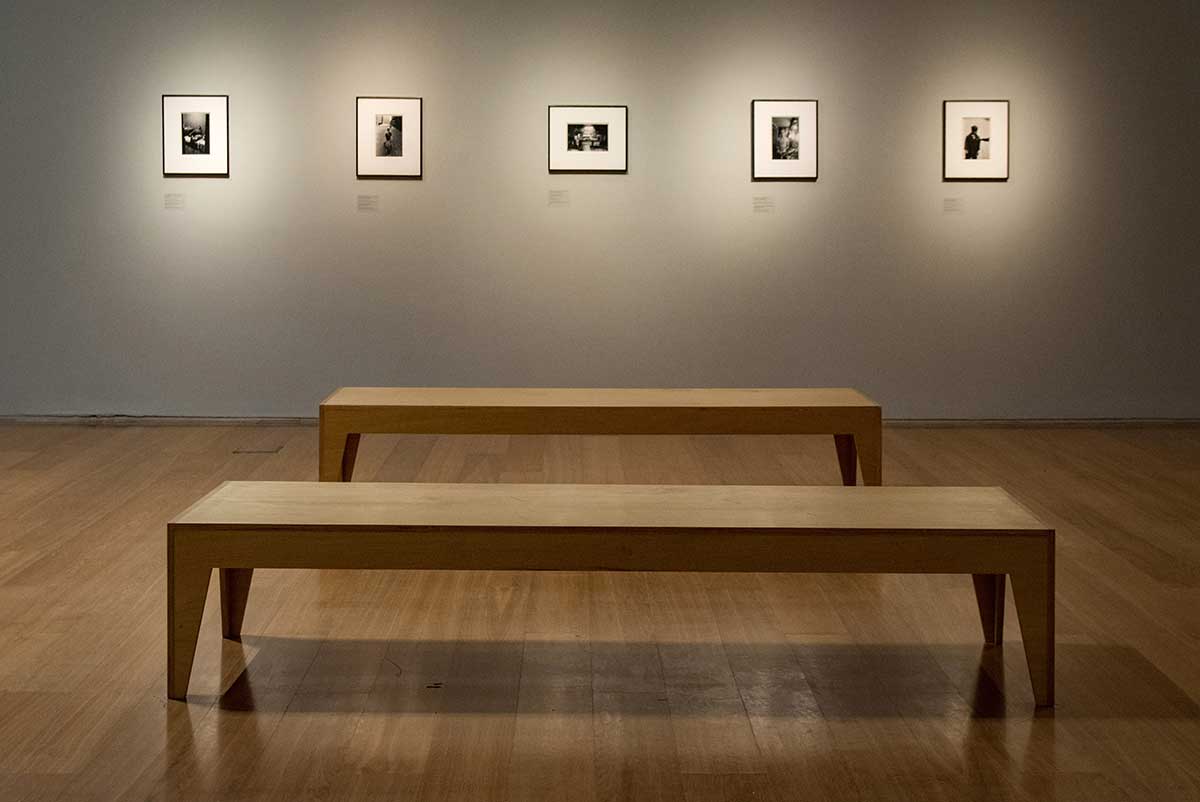
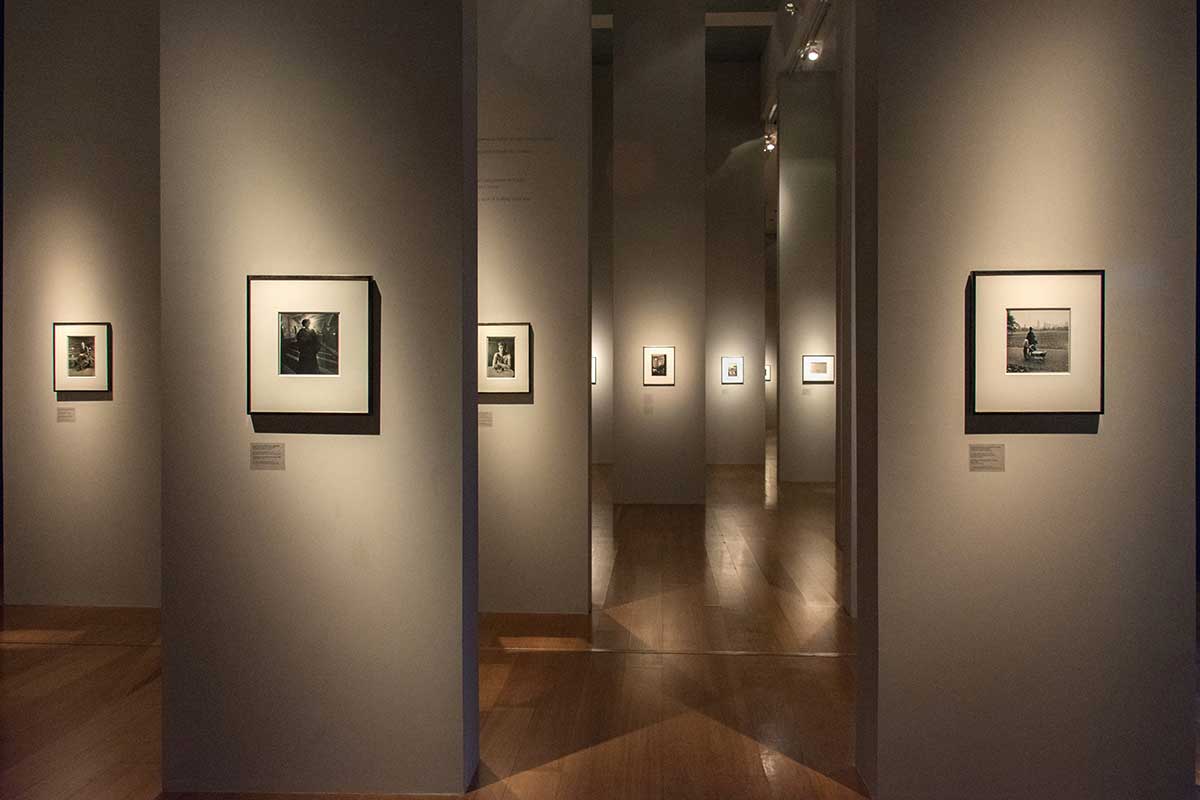
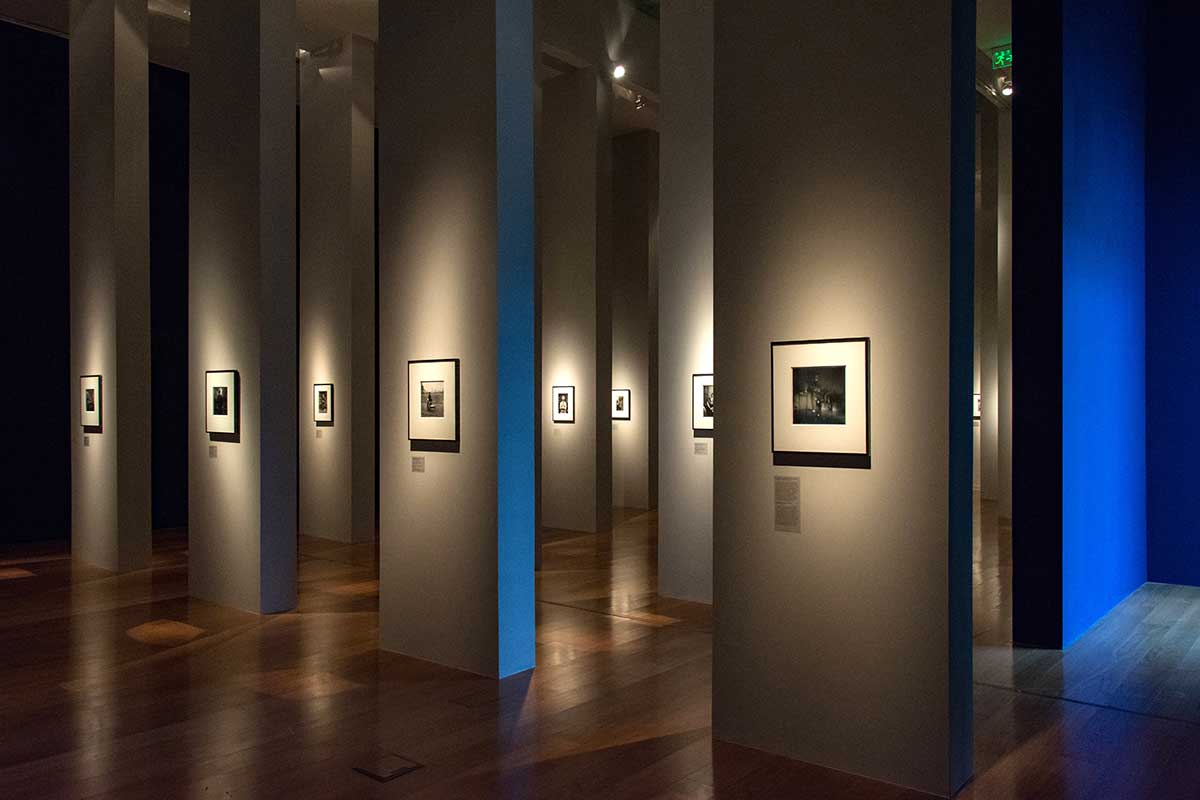
Most of the photographs in the exhibition form part of The Metropolitan Museum’s Diane Arbus Archive—purchased from the artist’s heirs in 2007—and were, prior to the 2016 show at The Met, never before exhibited; that show was the result of a number of years of work on the archive. The layout of the MALBA and Met shows is the same. It consists of a chronological exploration of a sort of dimly lit woods in order to invite visitors to delve into the intimacy of Arbus’s art. The exhibition culminates with the portfolio A box of ten photographs—which belongs to the SFMoMA collection—a set that Arbus produced in 1970 and 1971 that includes legendary portraits in square format like her Identical Twins, New Jersey 1967 and A Jewish giant at home with his parents, in the Bronx, N.Y. 1970.
Diane Arbus
N. Diane Nemerov, Nueva York, 1923-1971
She was born into a Jewish family who owned a department store on Fifth Avenue in New York City. In 1941 at age eighteen, she married Allan Arbus and for a decade the couple worked together producing photographs for magazines: he operated the camera, she styled the images. Although she started making pictures for herself in the early 1940s, it was only in 1956, when she numbered a roll of film #1, that she began seriously pursuing the work for which she has come to be known.
Arbus’s first magazine story appeared in Esquire in 1960. During the next decade, while continuously working on her own personal projects, she published more than a hundred photographs in Esquire, Harper’s Bazaar, and other major American magazines. These included portraits and photographic essays, which were occasionally accompanied by her own writing.
En 1963, Arbus recibió la primera de sus dos Becas Guggenheim, que le permitió viajar por los Estados Unidos fotografiando gente, lugares y eventos que describía como “las ceremonias importantes de nuestro presente”. Estas fotografías concentraron la atención crítica y popular en 1967, cuando fueron exhibidas junto a la obra de Lee Friedlander y Garry Winogrand en la legendaria muestra New Documents en el Museum of Modern Art de Nueva York.
Arbus committed suicide in July 1971, just months after releasing a portfolio of ten prints that was intended to be the first in a series of limited editions of her work. In 1972, she became the first photographer to be included in the American pavilion at the Venice Biennale. In the same year, The Museum of Modern Art hosted a major exhibition of her photographs that traveled throughout the United States and Canada. The monograph that served as the exhibition catalogue has never been out of print and remains one of the most important and widely distributed photographic books of all time. In the 45 years since Diane Arbus’s death, millions of people have been drawn to the many major international museum retrospectives that explore the controversial work of this photographer whose singular vision revolutionized the art she practiced.
Antropología urbana
Diane Arbus empezó a tomar fotografías a comienzos de los años 40, y continuó haciéndolo de manera esporádica durante más de una década. En ese período estaba abocada a su carrera dentro del mundo de la fotografía de moda, ella como directora de arte y su marido, Allan Arbus, como fotógrafo. En 1956, Arbus abandonó la sociedad comercial y se dedicó por completo a desarrollar su obra personal. Dos fotógrafos europeos fueron sus mayores referentes en esos años: Lisette Model, con quien estudió por varios meses y fue su mentora espiritual, y August Sander, el retratista tipológico alemán.
La ciudad de Nueva York, el espacio urbano en el que Arbus comenzó a aventurarse para sacar sus fotografías, era un ámbito en el que ya habían incursionado muchos otros fotógrafos, desde Paul Strand y Walker Evans hasta Garry Winogrand y Lee Friedlander. Cada uno de ellos tuvo un modo característico de trabajar, pero Arbus se destacó particularmente porque buscó conectarse directamente con los sujetos de su fotografía y no pasar inadvertida.
Para el curador Jeff Rosenheim: “Todos estos fotógrafos desarrollaron estrategias para mantenerse apartados y desligados de las personas a quienes retrataban, convencidos de que, en tanto documentalistas, la legitimidad de su registro dependía de que ellos mismos jugasen un papel menor o ninguno en absoluto. Por contraposición, Arbus buscaba la conmoción de un encuentro personal directo: ‘Para mí, el sujeto de la foto es siempre más importante que la foto. Y más complejo’, escribió”.
Antes de tomar sus fotografías, Arbus realizaba un exhaustivo trabajo de investigación, ya que buena parte de los temas y personas que le interesaban no se encontraban espontáneamente en la calle. Su método de trabajo era, en muchos sentidos, similar al de un antropólogo urbano. En sus cuadernos de notas registraba todo el material que iba recogiendo de libros, periódicos y guías telefónicas, junto con ideas propias y conversaciones con sus amigos. Muchas veces, sus anotaciones eran listas de posibles temas o sujetos a fotografiar.
“Desde el comienzo –explica Rosenheim–, Arbus consideró la calle como un lugar lleno de secretos que esperaban ser desentrañados. Incluso en sus primeros estudios de transeúntes, sus retratados parecen mágicamente liberados –aunque fuese una liberación solo pasajera– del flujo y el tumulto que los rodea. Algunas veces este aislamiento es efecto del foco selectivo; otras se debe a la paciencia o la persistencia del fotógrafo; a veces es mera casualidad. Sin importar su origen, el resultado es un singular aire de introspección. Como reacción a Arbus y su cámara, sus sujetos se muestran como si estuvieran solos frente a un breve atisbo de sí mismos en una vidriera o un espejo. El intercambio que sucede a ambos lados de la cámara –de ver y ser visto– plantea preguntas existenciales al retratado, preguntas que, por último, se transmiten también al espectador”.
Durante este primer periodo, Arbus utilizó una variedad de cámaras de 35 mm, réflex o de visor directo (propias o prestadas), incluyendo una Contax D, una Nikon S3, y una Nikon F. En 1962 compró una Wide-Angle Rolleiflex, cámara de formato cuadrado de 2 ¼ pulgadas, de objetivos gemelos (binocular), que explica también el cambio que se da en su obra.
Guided Tours
Thursdays, Fridays and Sundays at 5:00 p.m.
Descargar PDF con actividades para niños
Catalogue
En el marco de la exposición, se presenta el catálogo editado especialmente por The Met, que incluye dos ensayos: «In the beginning» de Jeff L. Rosenheim y «Notes from the archive» de Karan Rinaldo. El libro recoge las investigaciones recientes sobre el Archivo Diane Arbus y la reproducción de un amplio conjunto de fotografías, negativos, diarios, notas y correspondencia. La versión en español del ensayo curatorial estará disponible para descargar online en esta página una vez que comience la muestra.

Jeff L. Rosenheim
Curator in Charge of the Photographs Department, The Metropolitan Museum (New York). The author of ten books on Walker Evans, Rosenheim is the steward of the Walker Evans Archive, which the Metropolitan acquired in 1994. He is also the custodian of the Diane Arbus Archive. Rosenheim has a BA in American studies from Yale University, and an MFA in photography from Tulane University. He has lectured extensively, curated numerous exhibitions, such as Photography and the American Civil War (2013), and published essays on a wide range of artists including Carleton Watkins, Thomas Eakins, Walker Evans, Helen Levitt, Robert Frank, Diane Arbus, Lee Friedlander, William Eggleston, and Stephen Shore.
–––––
In the Press
«En el principio», Diane Arbus en Malba: La belleza de lo extraño.
News, 24.07.17
Diane Arbus: sus fotos perturbadoras llegan a Buenos Aires.
Clarín, 02.07.17
Perfil: Diane Arbus. Enfrentar los propios fantasmas.
La Nación, 02.07.17
Hacia lo contrario de la moda.
Página 12, 18.07.17
Por qué es imperdible la expo de Diane Arbus en MALBA.
El Cronista, 18.08.17
–––––
Images: Lady on a bus, N.Y.C. 1957
y detalle de The Backwards Man in his hotel room, N.Y.C. 1961. © The Estate of Diane Arbus, LLC. Todos los derechos reservados