Event Details
This event finished on 31 August 2015
- Categories: Exhibitions
- Tags: Plantilla histórica
Permanent Collection
An important initiative for the restoration and dissemination of artistic heritage.
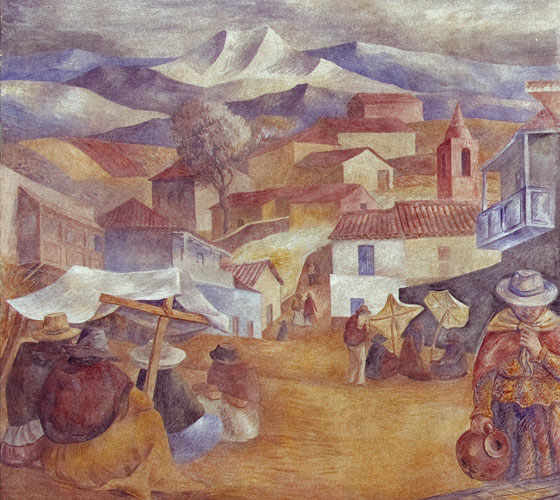
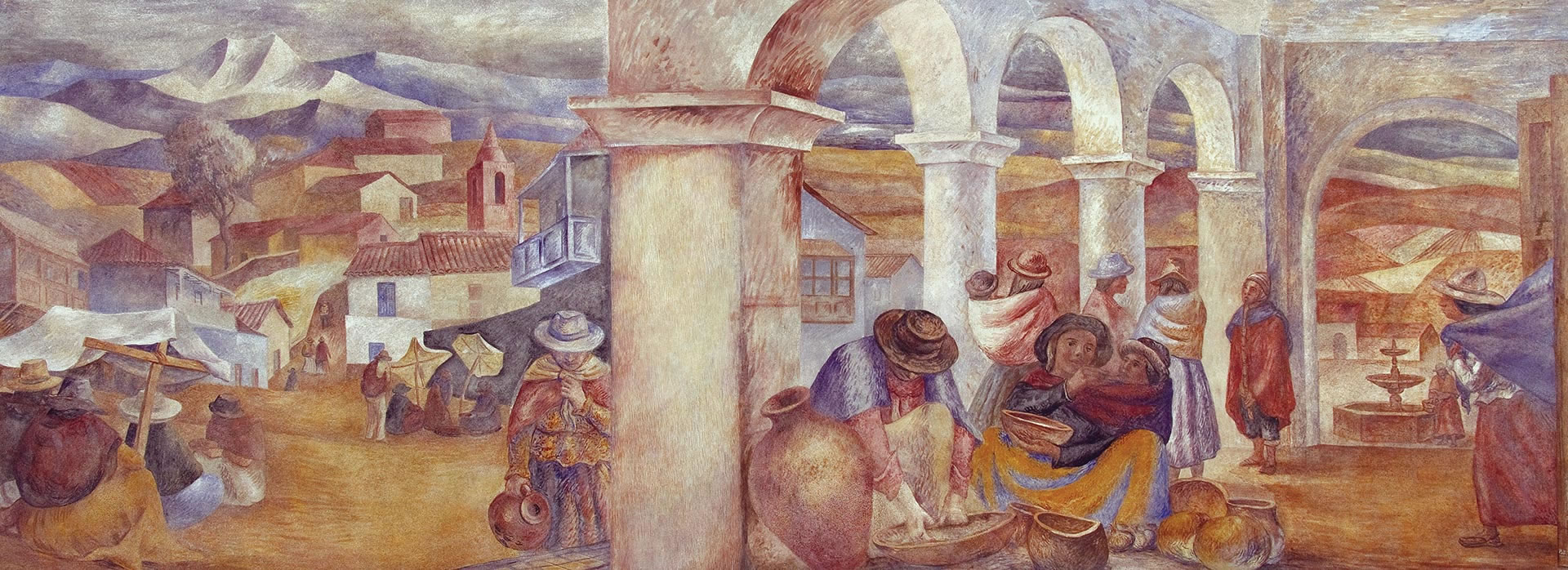
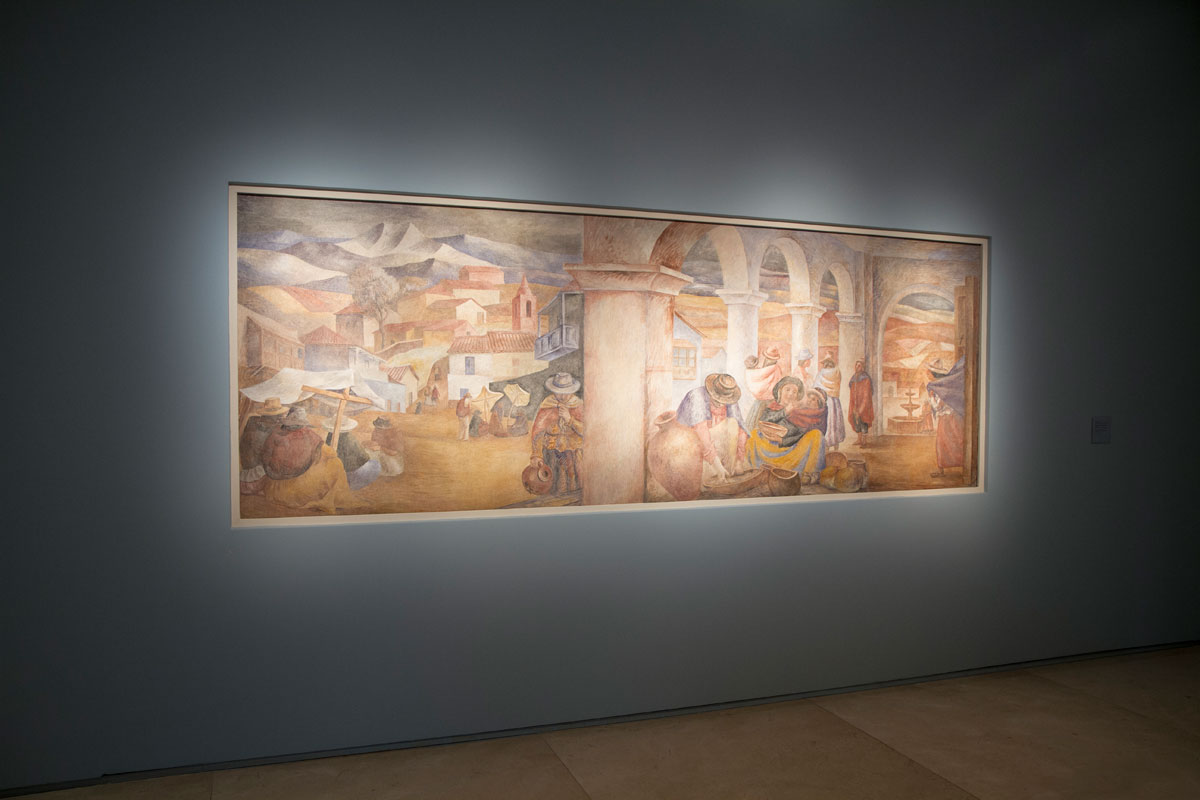
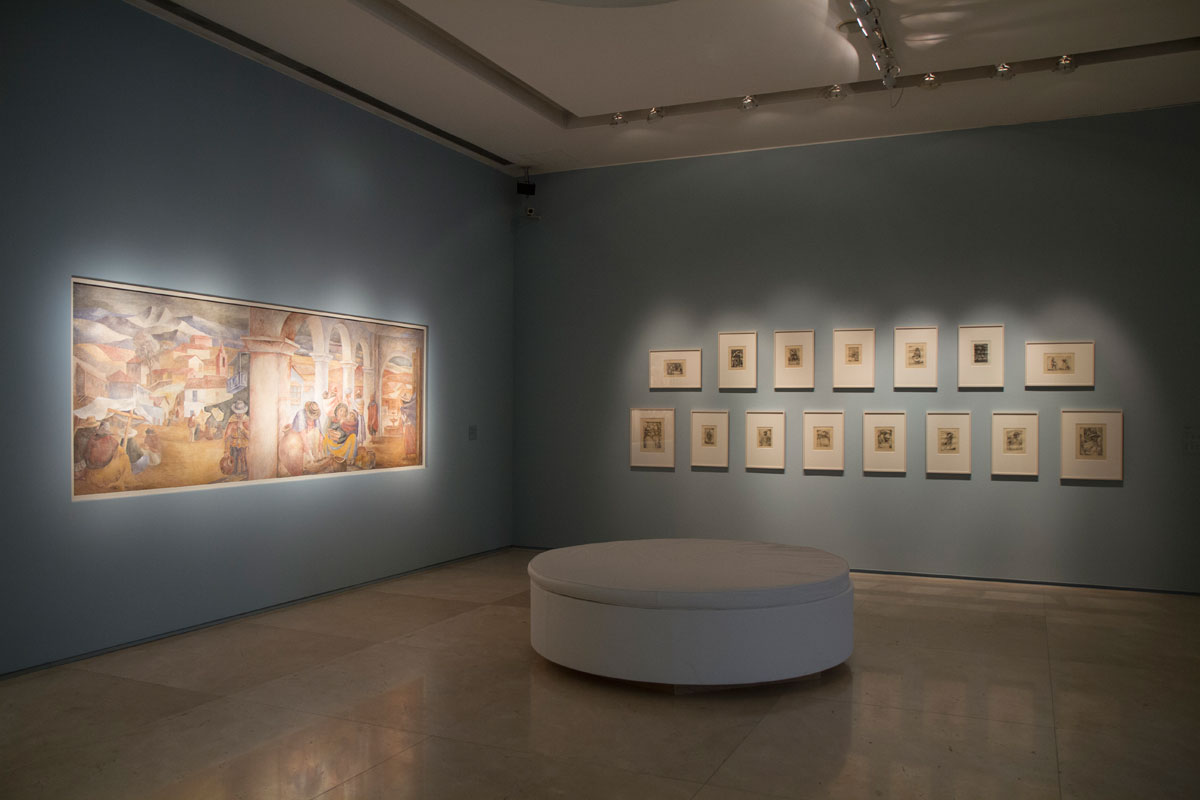
Malba – Fundación Costantini is exhibiting a mural by Antonio Berni (Rosario, 1905 – Buenos Aires, 1981), the only surviving fresco buono with an indigenous theme by the great Argentine master. Photographically documented in the Berni archive of the Espigas Foundation, it has no known title but could be called Mercado colla or Mercado del altiplano (ca. 1940). This addition to the museum's holdings and permanent collection represents an important initiative in the restoration and dissemination of national heritage.
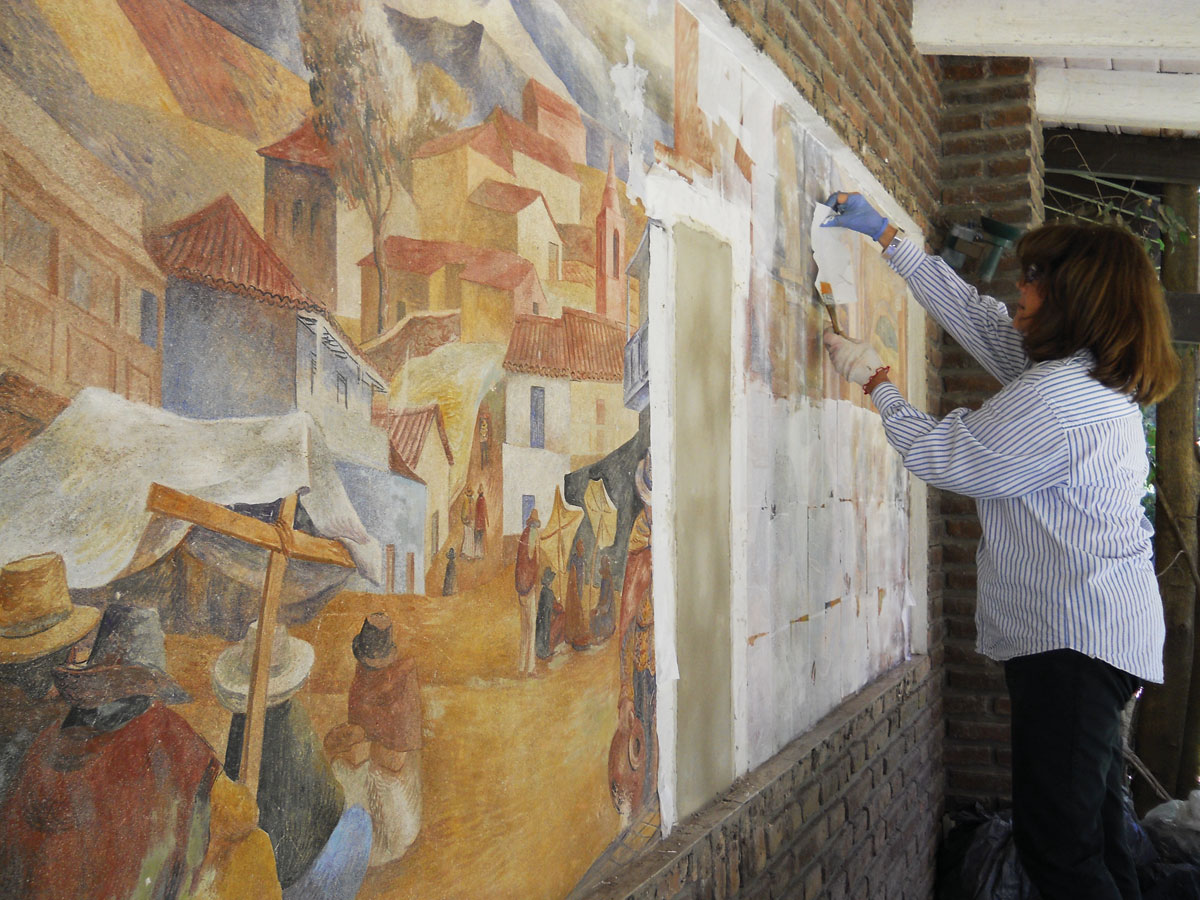
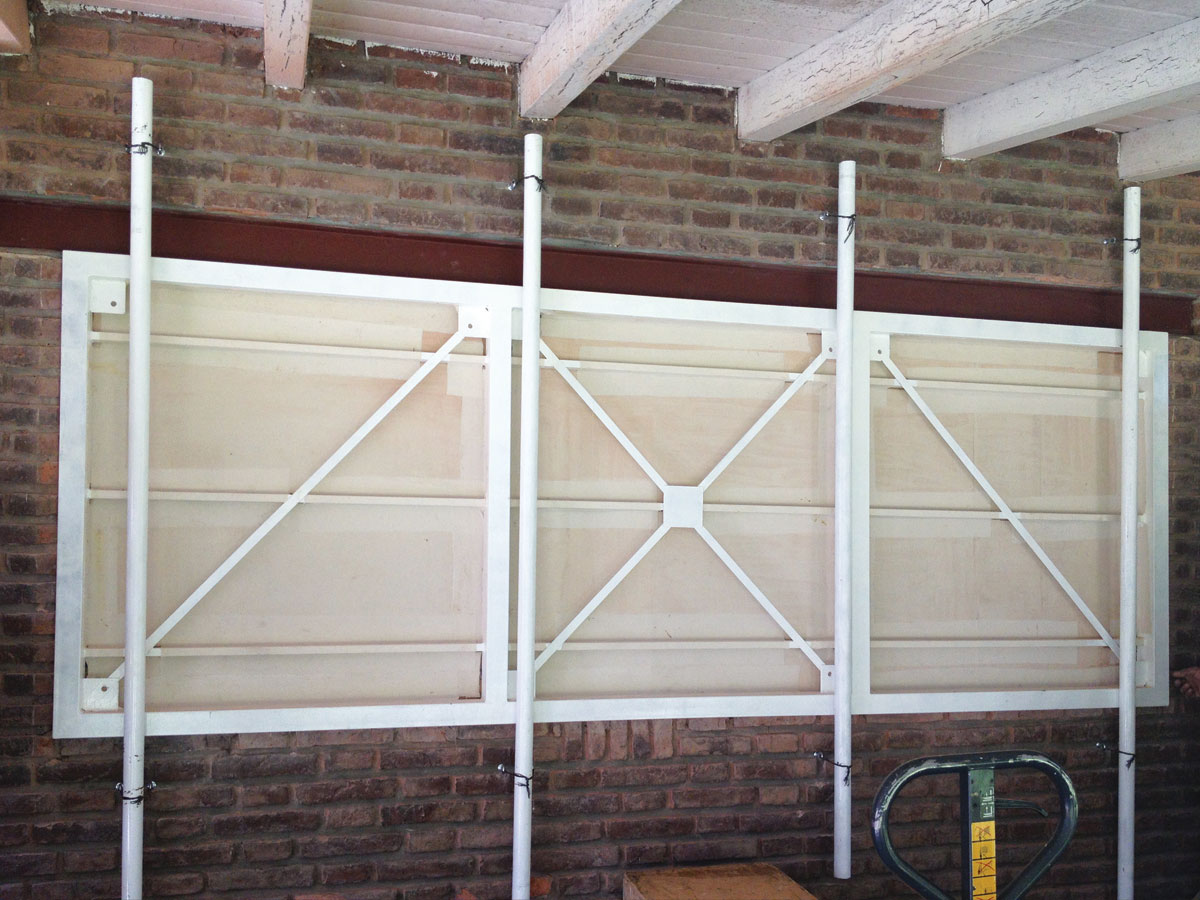
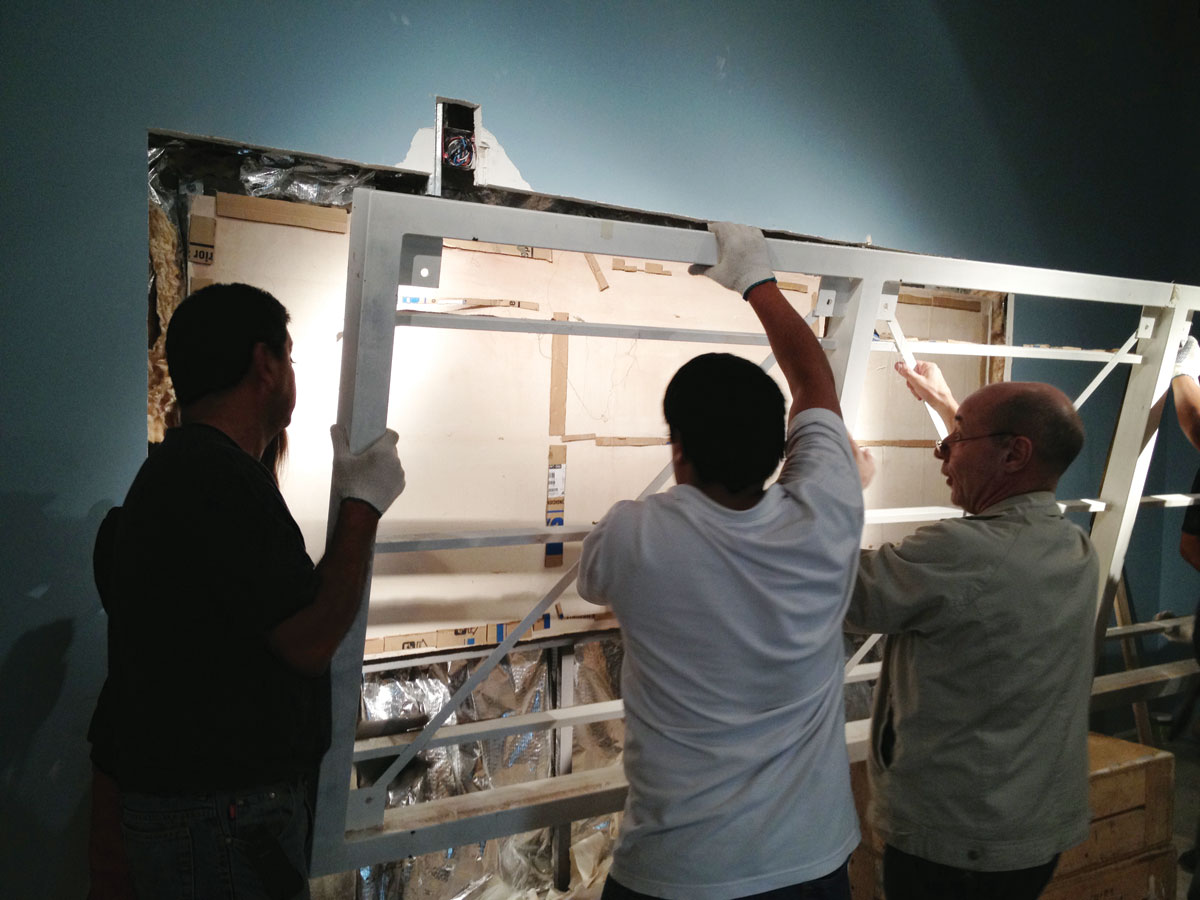
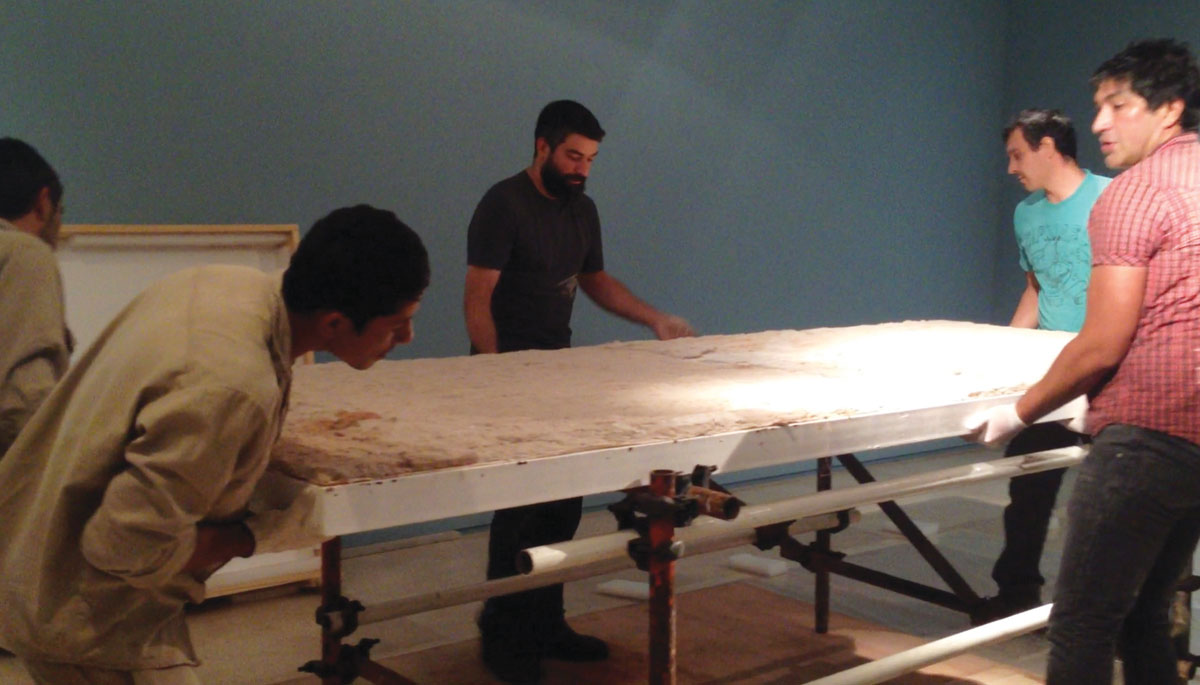
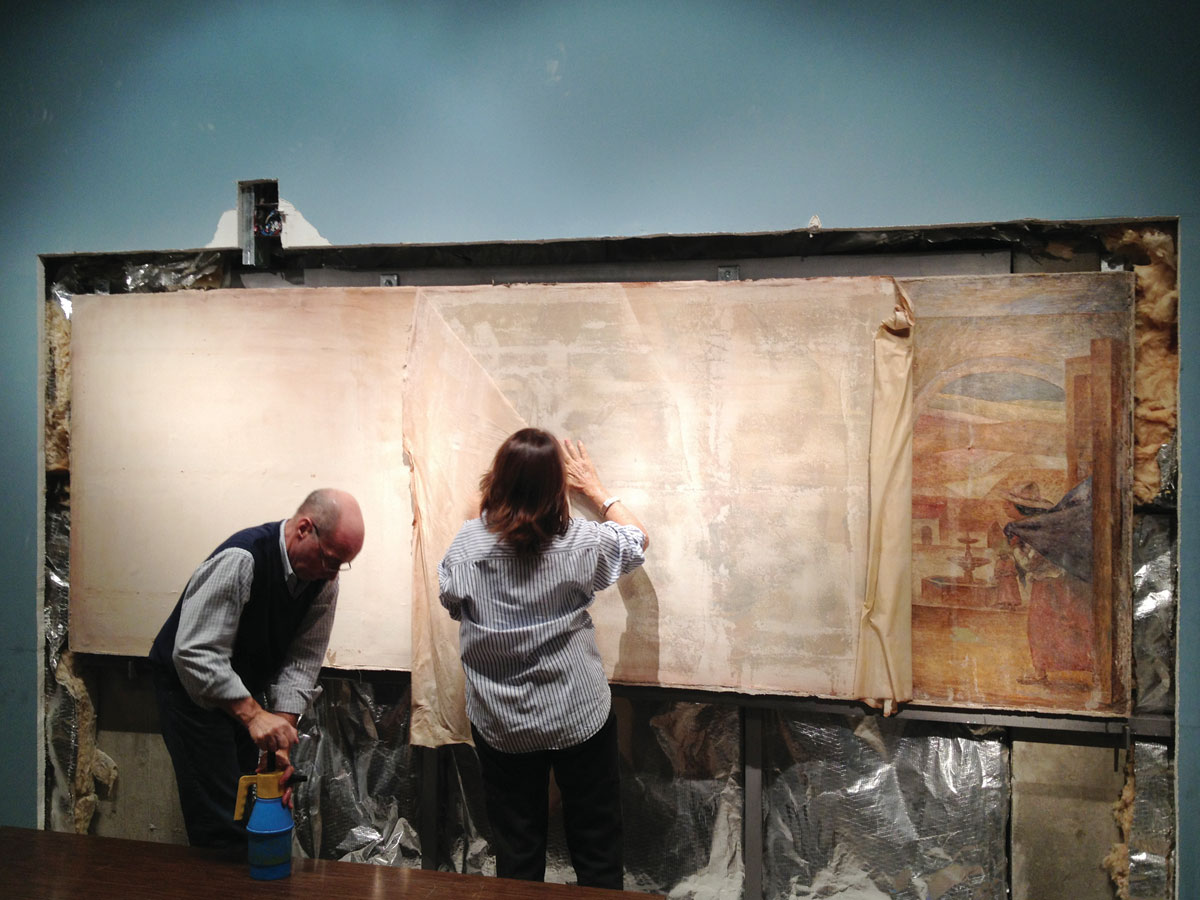
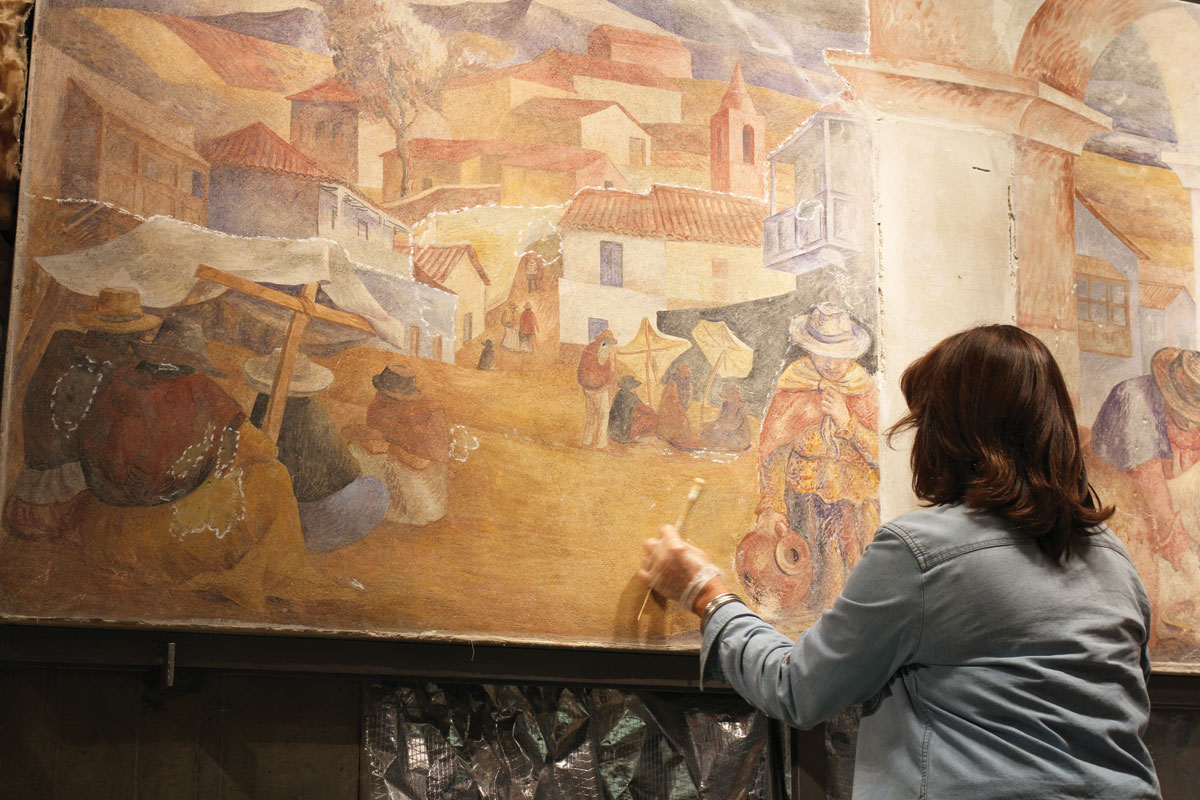
Alongside the mural, 15 etchings created in the 1940s (printed in 1951) are on display, loaned by José Antonio Berni, the artist's son. There is also a documentary video produced by El Pampero Cine, which shows the entire process of removing the wall, transporting it, restoring it, and finally installing it at Malba.
"Mural painting must be cared for and maintained in its purity, because it has public cultural value, just like the city's monuments. Mural painting fulfills a different mission than easel painting, which is individual and for private use. Mural painting has a future in the immediate future, and it already has one today when large crowds are viewed positively as participants in culture," Berni wrote in 1942.
Technical specifications
It is a fresco buono mural painting, with details finished in secco, measuring 129 x 330 x 2 cm. The date of its execution is unknown, but it is estimated that it could have been made between 1936, when Berni made his first trip through northwestern Argentina, and 1943, after his second trip to the Puna, during which he traveled through Bolivia, Peru, Ecuador, and Colombia, thanks to a grant from the National Commission of Fine Arts to study the typologies of colonial and pre-Columbian cultures in Latin America.
The mural belongs to a key period in Berni's work, during which he reinforced his commitment to social reality. The piece is part of “New Realism,” an aesthetic doctrine that the artist began in 1934, after Mexican artist David Alfaro Siqueiros visited the country. During those years, Berni had discovered the north of the country and, beginning in 1936, he produced a series of works dedicated to exalting the unique character of the Puna and its inhabitants. It represented an encounter with the indigenous race and with a worldview common to most of the countries in the region.
On this theme, Berni also painted a mural at the entrance to his house (ca. 1940), which is believed to have been destroyed; the large oil paintings Jujuy (1937), now in the collection of the Francisco P. Moreno Museum of Patagonia, Bariloche; and Mercado indígena (1942), which has disappeared; three watercolors entitled Boceto de composición (1942) and two others, Apuntes de paisaje (Landscape Sketches) (1943), as well as two oil paintings, Coyas en el Altiplano (Coyas in the Altiplano) (ca. 1940-1942) and Boceto para Mercado indígena (Sketch for Indigenous Market) (1942), all in the collection of the National Museum of Fine Arts.
In Mercado colla or Mercado del altiplano, the artist celebrates the American and mestizo Colla ethnic group as an archetype of northern Argentina, but also of northern Chile, Peru, and Bolivia, while reviving their culture, way of life, colorful clothing, crafts, and form of trade in their geographical environment: the arid mountain landscape of the Puna highlands and the village with its Spanish colonial architecture. This Americanist affiliation can serve as a new point of entry for the study of Berni's artistic production.
History of the discovery
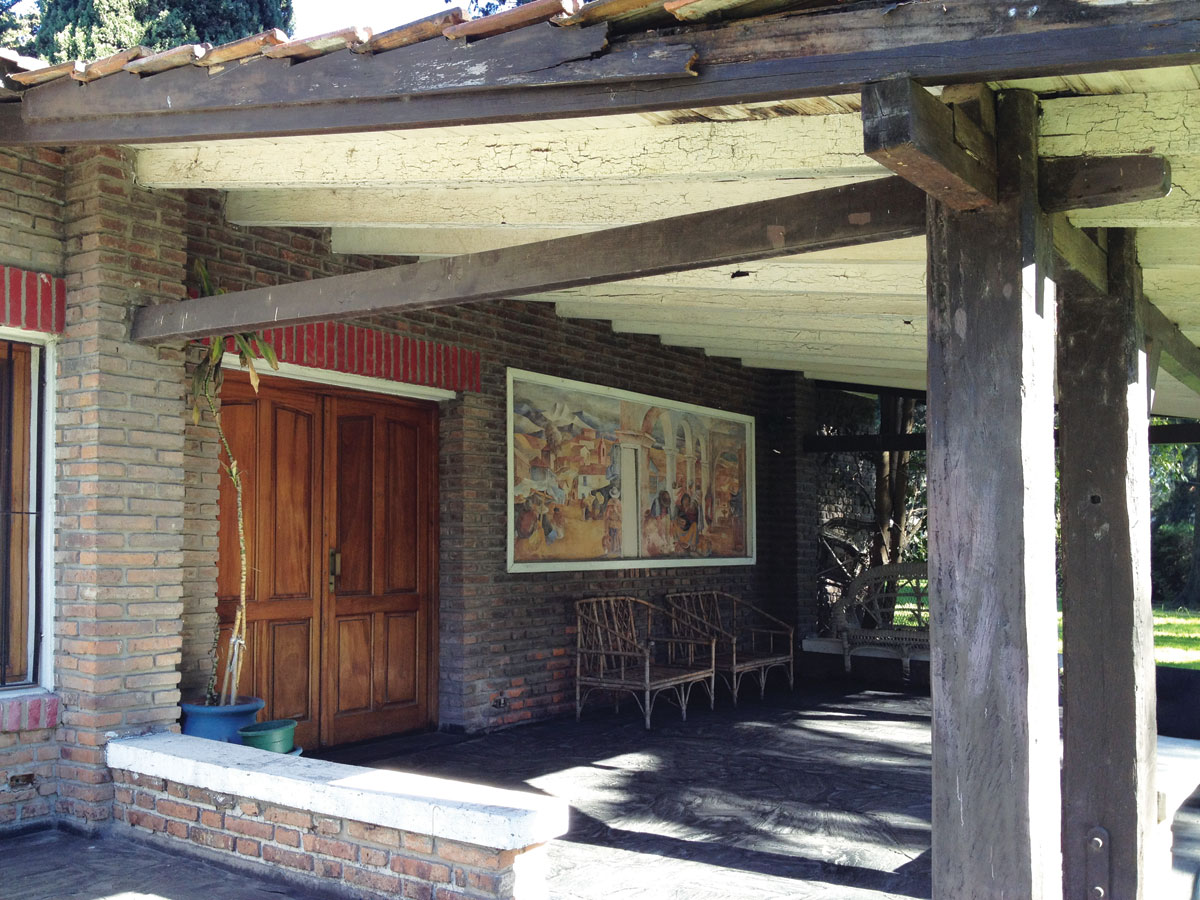
Located in the gallery of a country house in San Miguel, Province of Buenos Aires, the mural was acquired in October 2012 and was the first purchase made by the Malba Acquisitions Committee (CDA), created earlier that year with the aim of helping to expand the museum's collection. The piece was offered to Malba through Silvia Braier (president of the Friends of Malba Association), who submitted the proposal to Marcelo E. Pacheco, then chief curator of the museum. Pacheco, a specialist in Berni, confirmed the relevance of the piece and advised the CDA to add it to the museum's collection.
The removal of the mural was coordinated and financed by Malba. For six months, a distinguished team of Argentine professionals, led by restorer Teresa Gowland de Frías and architect Marcelo L. Magadán, worked on improving the techniques used to transport and restore the mural until it reached its final location in one of the museum's rooms.
The mural Mercado colla or Mercado del altiplano (ca. 1940) expands Berni's presence in the Malba collection, which holds one of the artist's most important collections, with key works and periods of his production: the surrealist cycle with pieces such as Susana y el viejo (1931) and La puerta abierta (1932); New Realism with Manifestación (1934) and La mujer del sweater rojo (1935); his Juanito Laguna and Ramona Montiel series with La gran tentación (1962), the woodcut-collage-relief Ramona y el viejo (1962), El pájaro amenazador (1965), and Juanito dormido (1978); and Chelsea Hotel (1977) from his New York period, among other central pieces by the artist. The Americanist mural is the first Berni mural to be publicly exhibited in a museum.
Process documentation