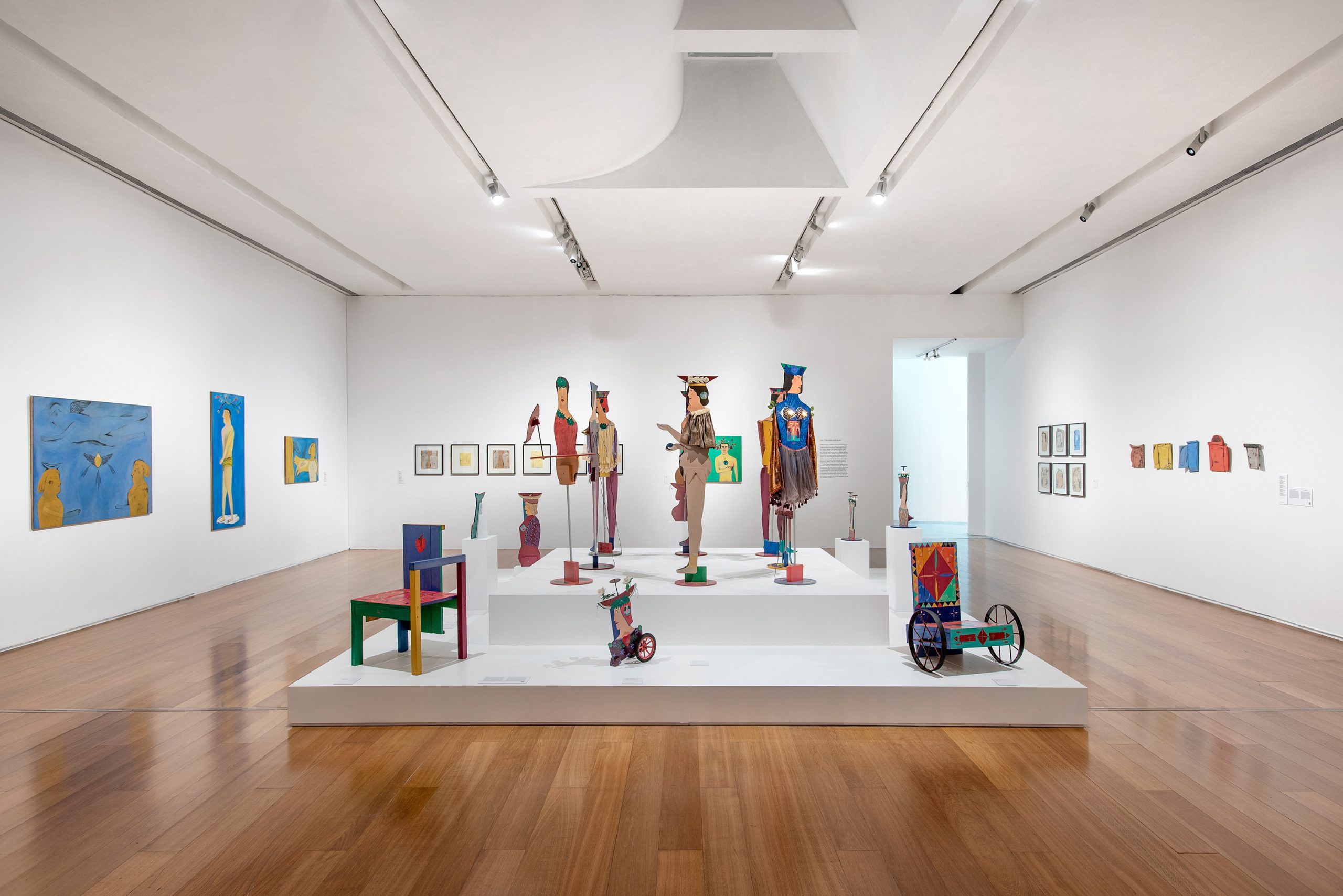
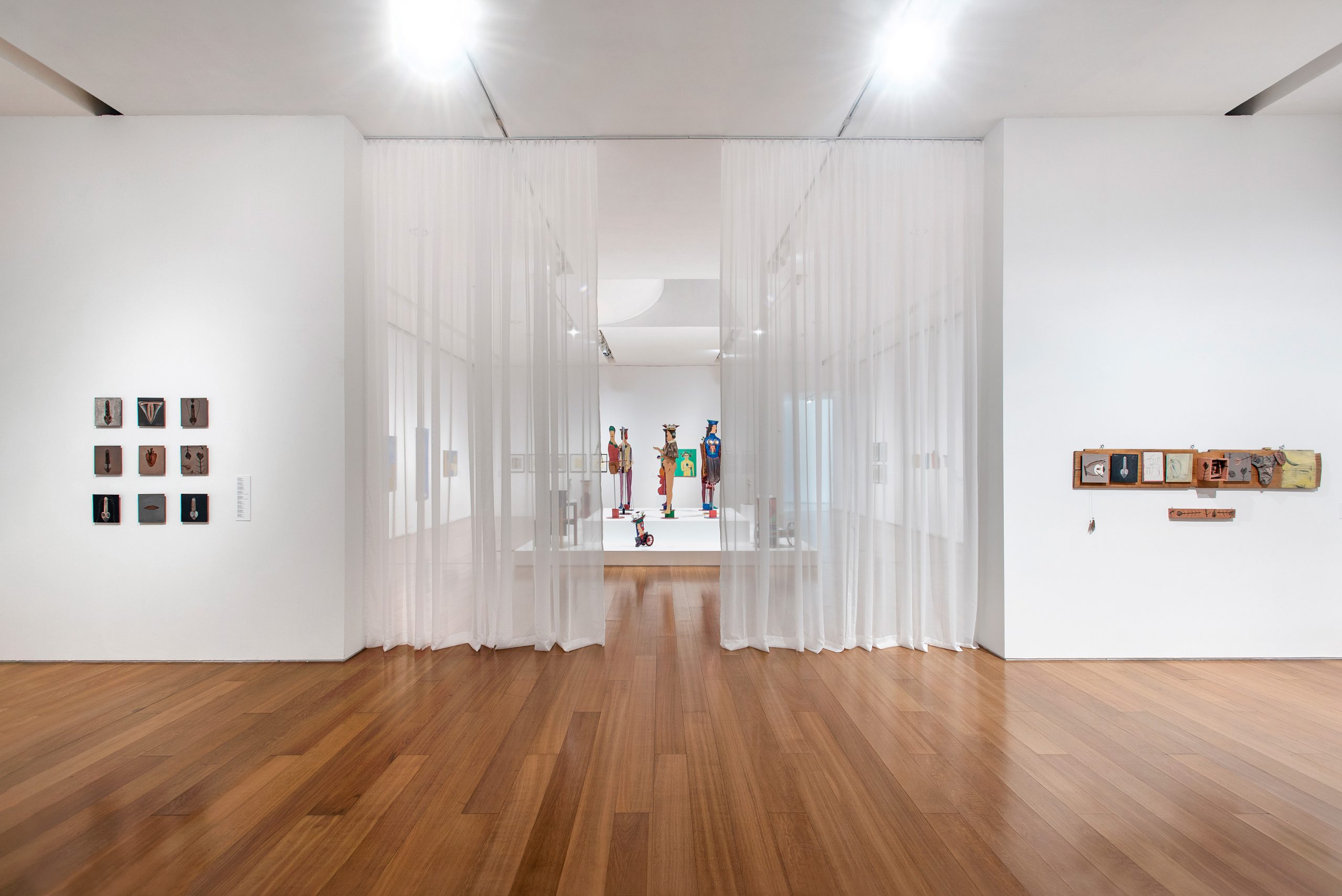
Beisso combined his professional activities as a psychologist, illustrator, and graphic designer for Cuadernos de Marcha —a monthly monographic publication addressing topics such as philosophy, history, literature, politics, and international relations—with a vibrant artistic production that draws on multiple references to classical art, mythology, applied arts, and illustration. After his death in 1996, his work was preserved by his mother and his partner. Twenty-five years later, it was gathered, catalogued, and documented through an extensive process of research and restoration.
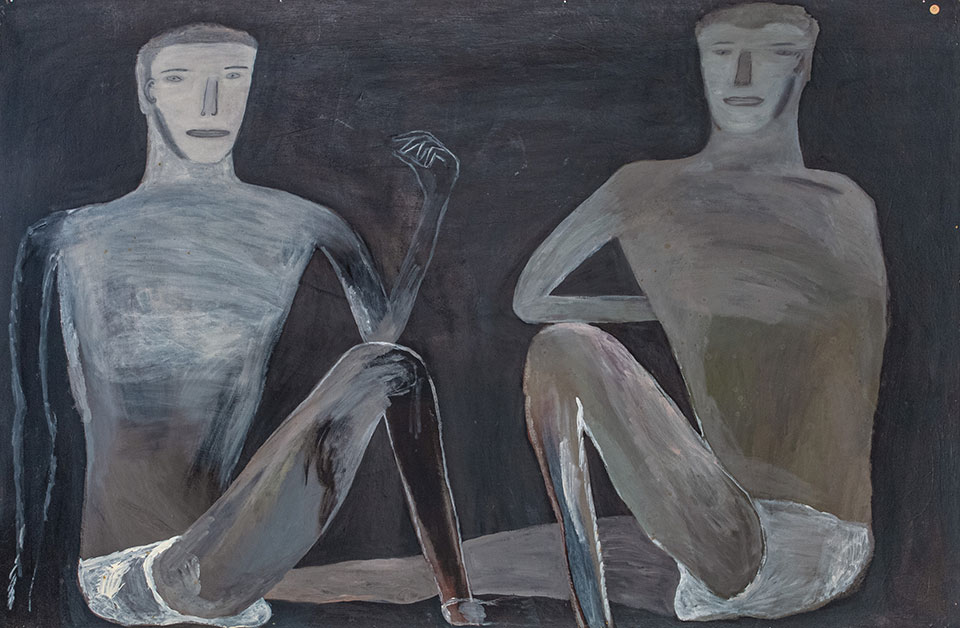
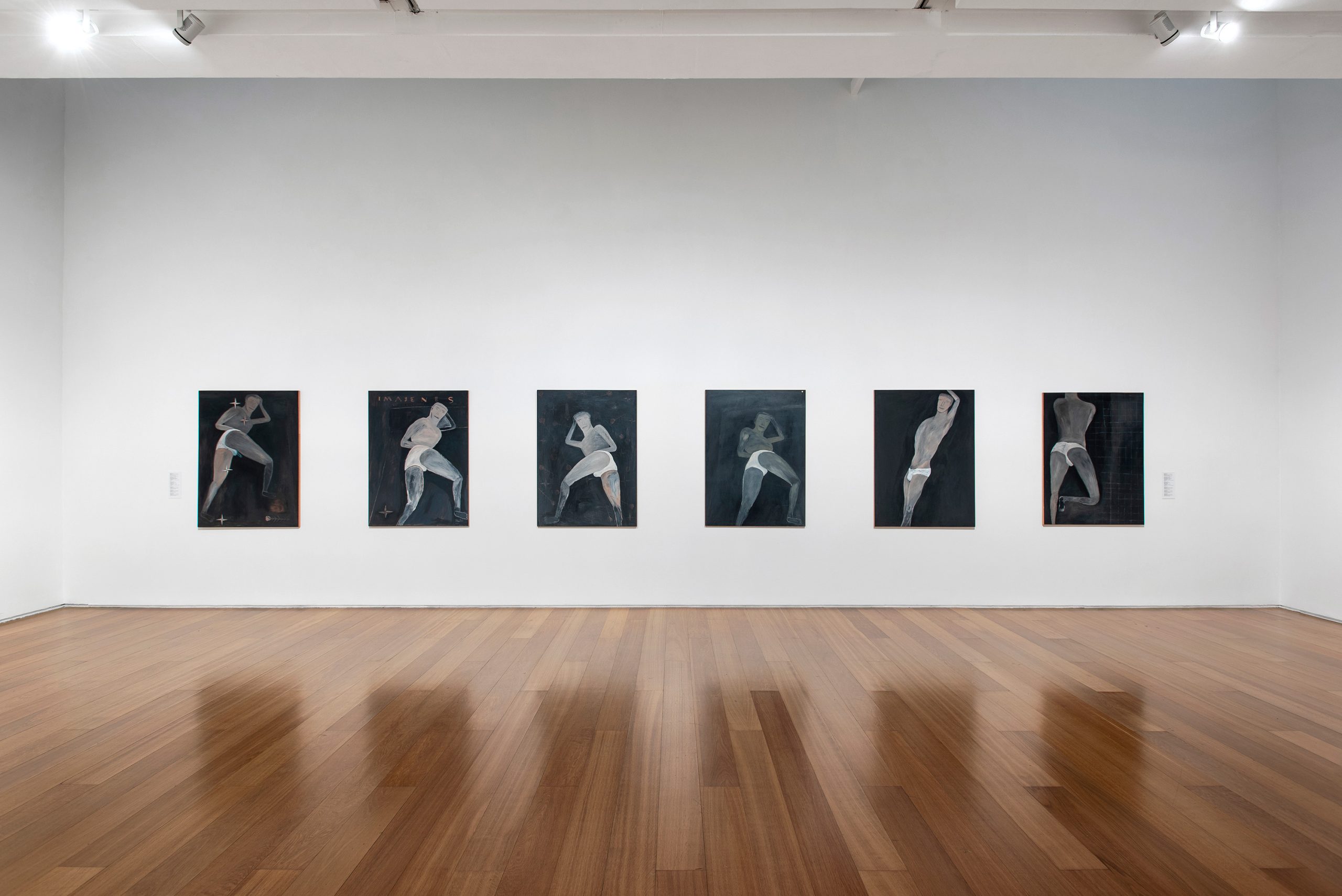
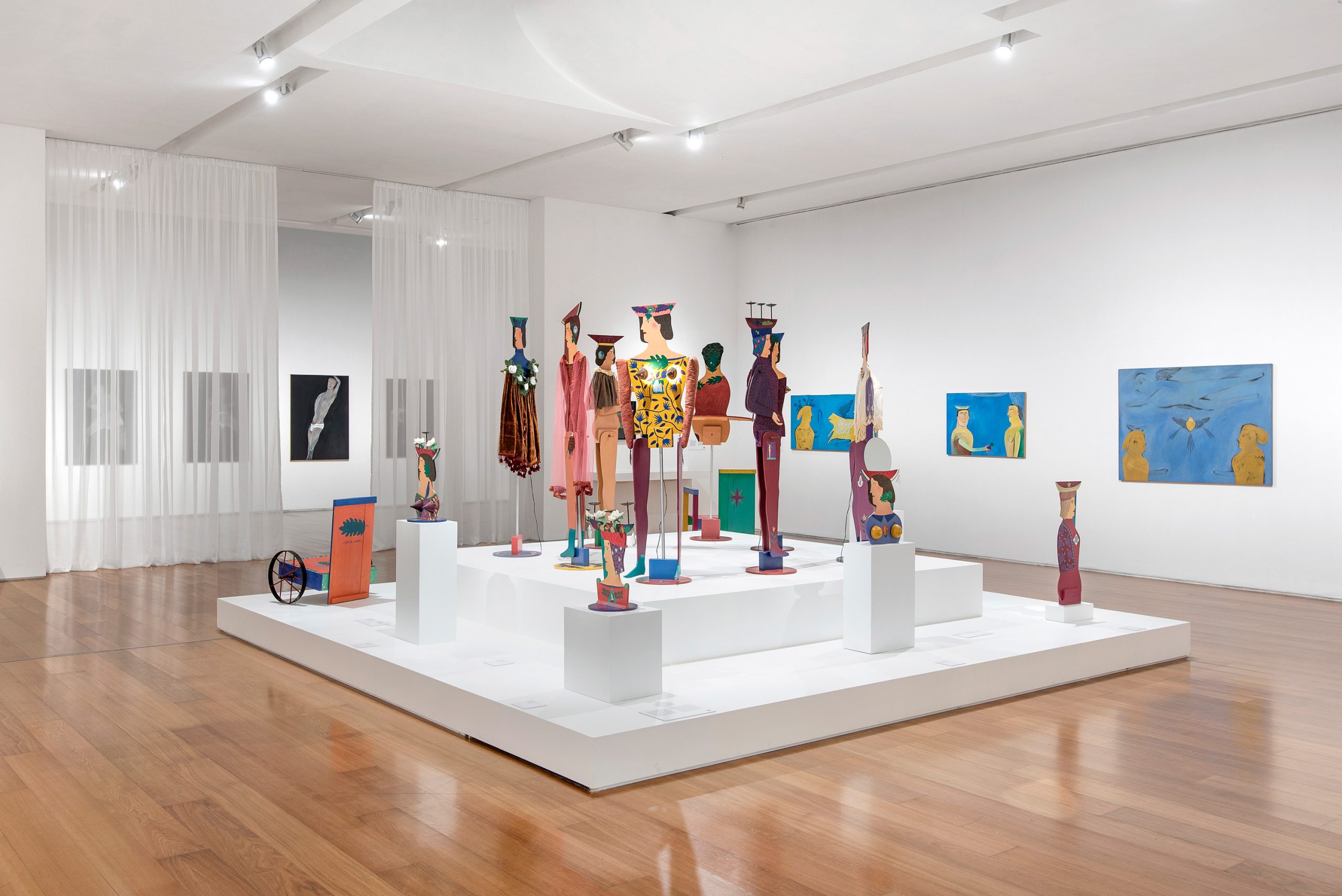
The exhibition at Malba aims to introduce audiences to the work of this artist, who was deeply cherished by his close circle in Montevideo but remains relatively unknown to the broader art public. Two main moments of his career are addressed to highlight the expressive richness of his work. On one hand, his fantastical worlds—also referred to by the artist himself as Dorian Rituals—are presented, where sexuality and imagination converge with classical mythological references and a figurative style full of color and expressiveness. On the other hand, the exhibition features Images of the (My) Hidden, a series in which the artist reveals a mature artistic voice and a darkness reflective of the end of his life, where criticism of a society that discriminated against him for his homosexuality and the progression of his illness led him to create a body of work as challenging as it is visually powerful and inspiring.
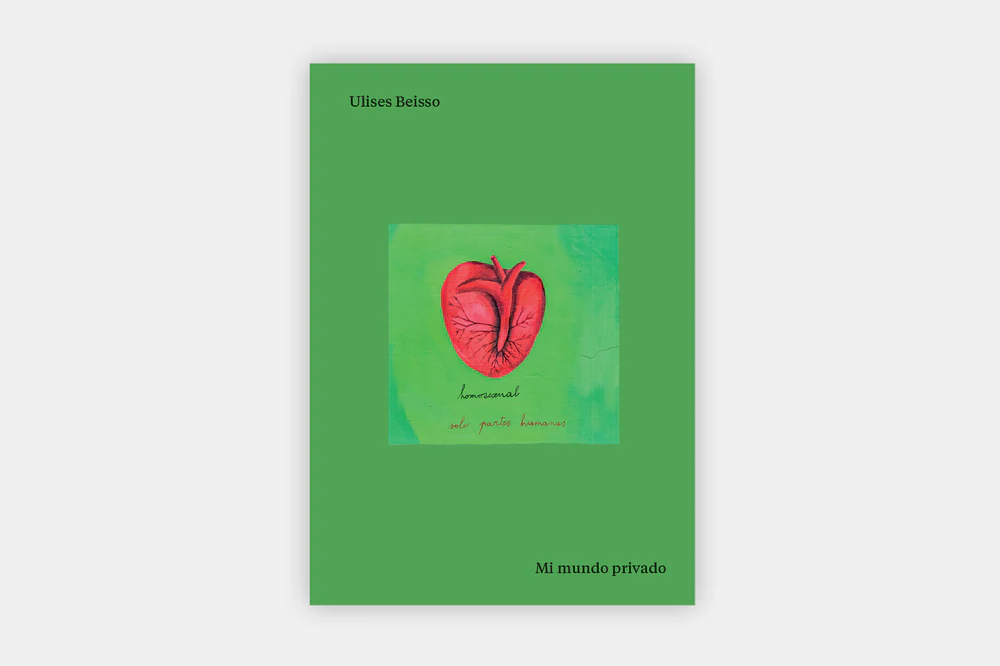
The title of the exhibition, My Private World, was taken from a sketchbook containing works and notes that Beisso left as part of his artistic legacy. Beyond the obvious connotations of an extremely personal and private body of work, the title also alludes to the Spanish translation of the film My Own Private Idaho (1991) by Gus Van Sant, a landmark of early 1990s queer culture that was deeply meaningful to Ulises Beisso himself. queer de comienzos de los noventa que fuera significativamente relevante para el propio Ulises Beisso.
This exhibition is a collaboration between Malba and the Institute for Studies on Latin American Art (ISLAA).