Event Details
This event finished on 06 October 2014
- Categories: Exhibitions
- Tags: Plantilla histórica
07.12 — 10.06.2014
Curators: Hans-Michael Herzog, Käthe Walser and Victoria Giraudo
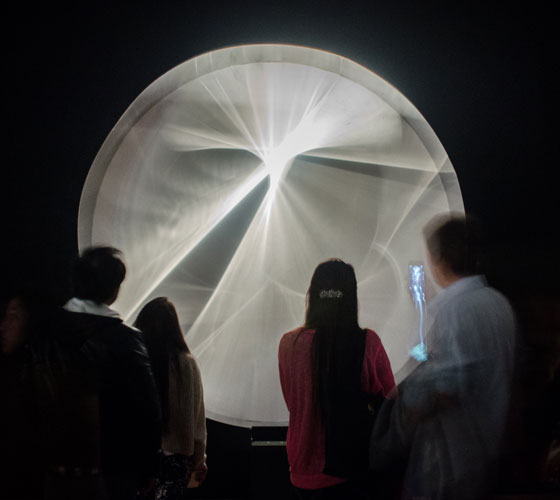
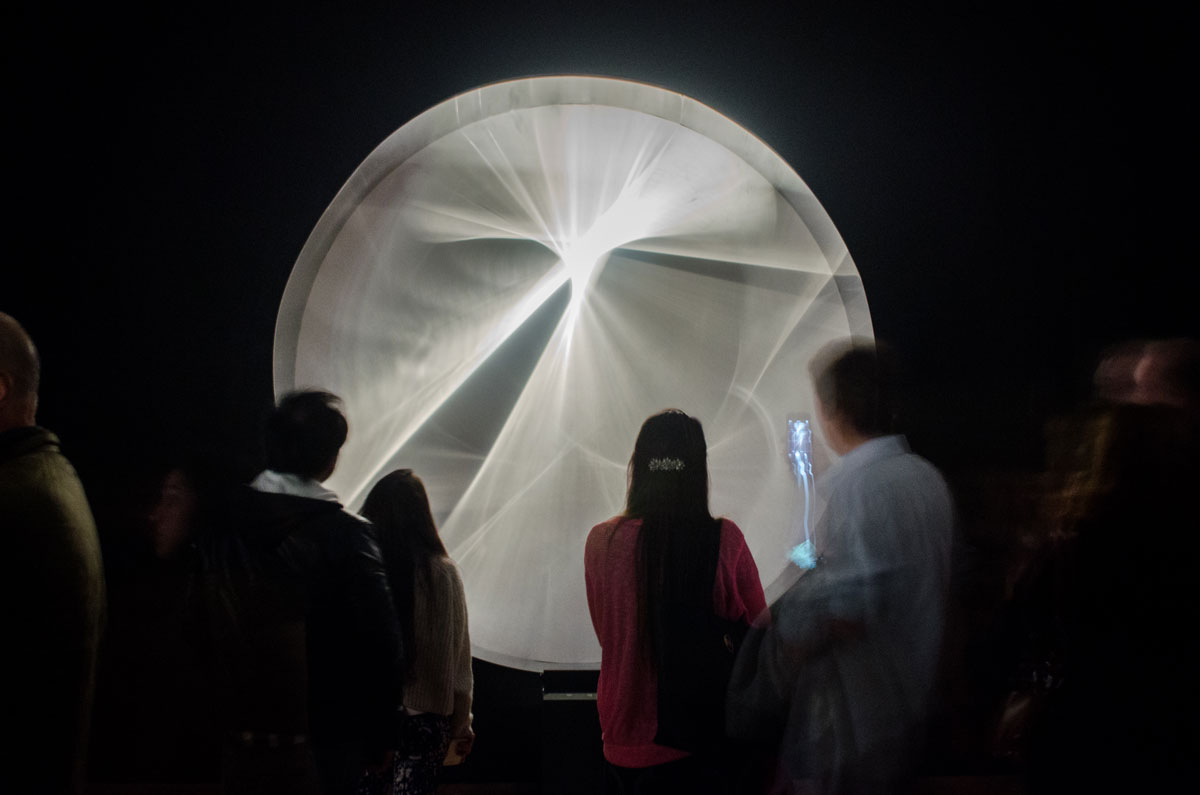
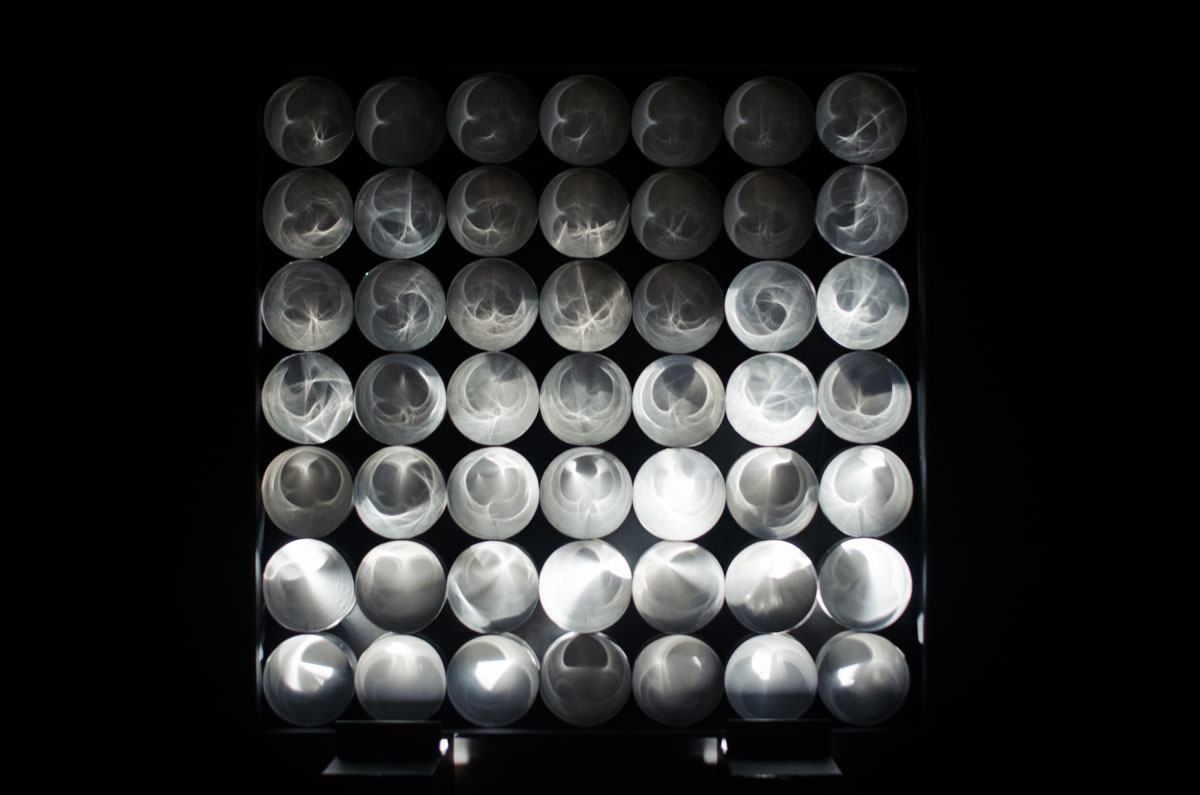
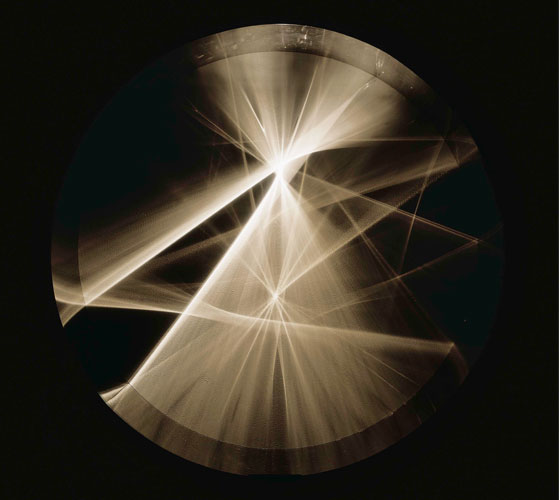
A selection of historical works by the great Argentine master Julio Le Parc (Mendoza, 1928) belonging to the Daros Latinamerica collection, Zurich. The exhibition focuses on Le Parc's kinetic experiments with light, mainly carried out in the 1960s.
Fourteen years after his last major retrospective in Argentina, Malba once again brings the magical universe of Le Parc, one of the most important Argentine artists of the 20th century, recognized in 1966 with the International Grand Prize for Painting at the 33rd Venice Biennale, to the local public. For this exhibition, instead of another retrospective of the master's work, it was decided to focus on one of the most important aspects of the artist's production: his concern with the alterations of light in motion.
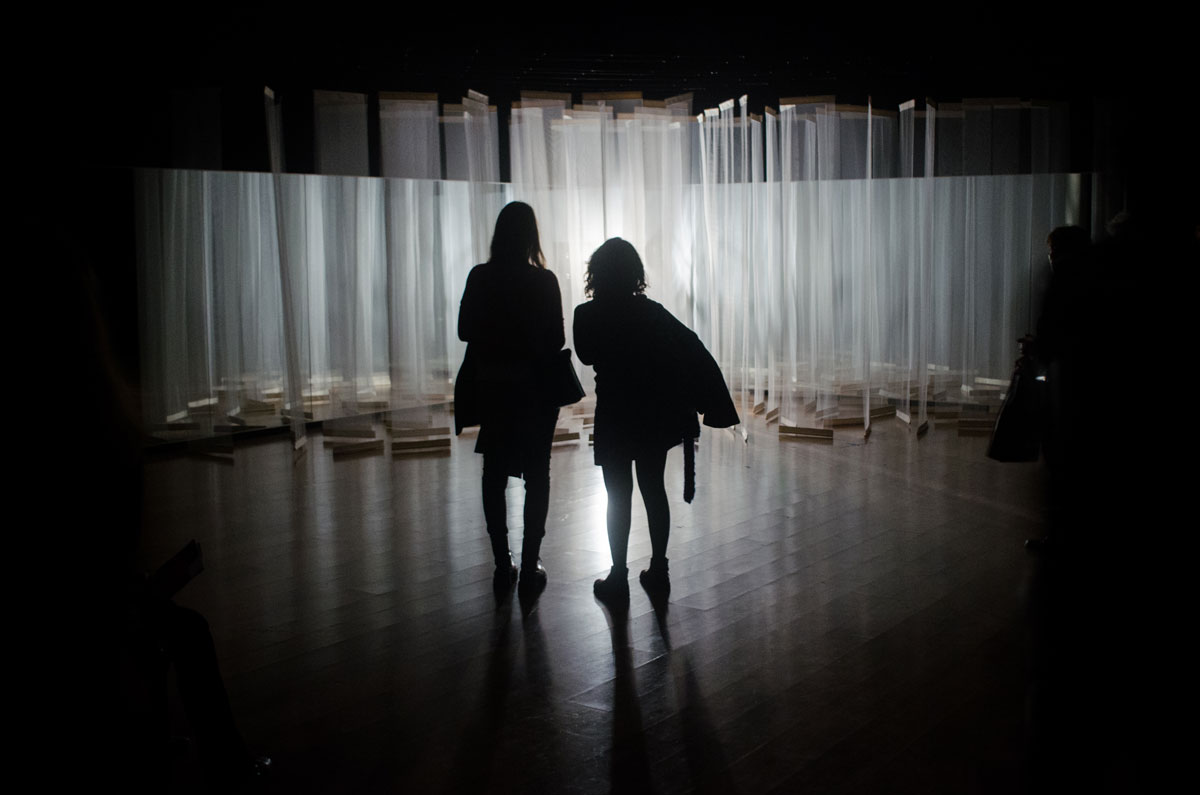
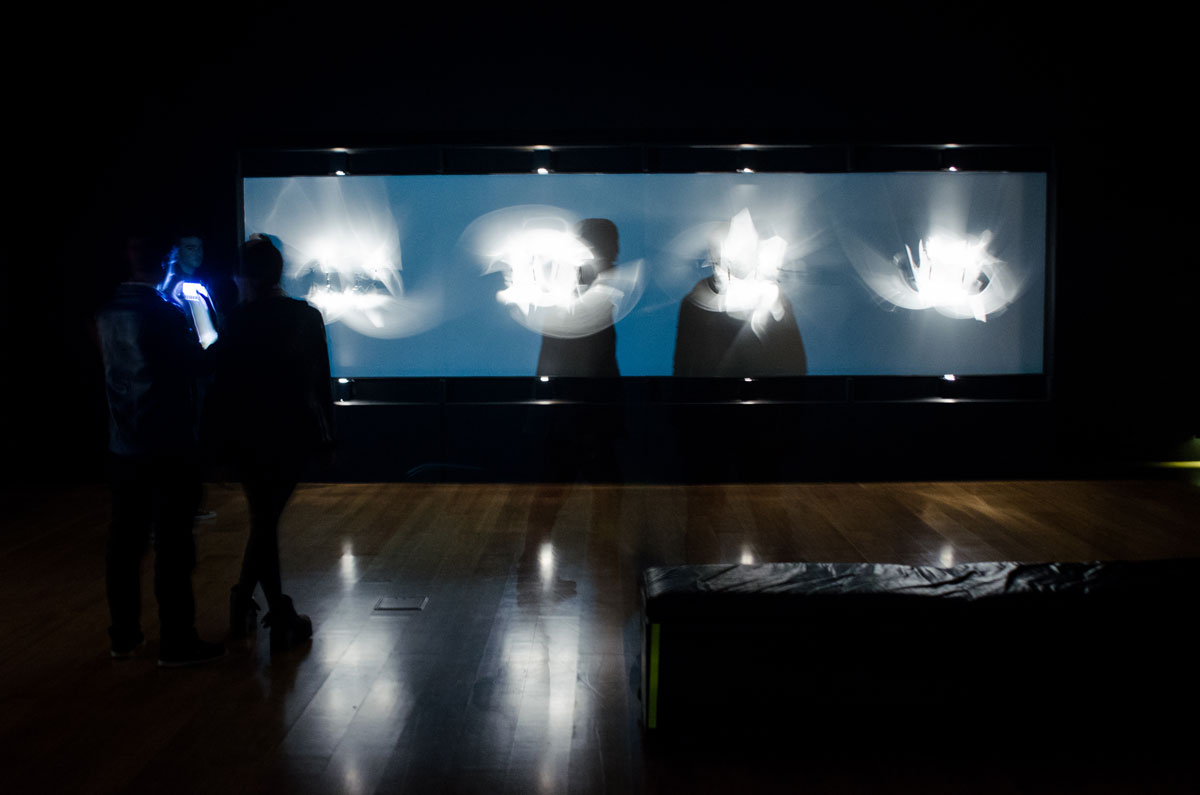
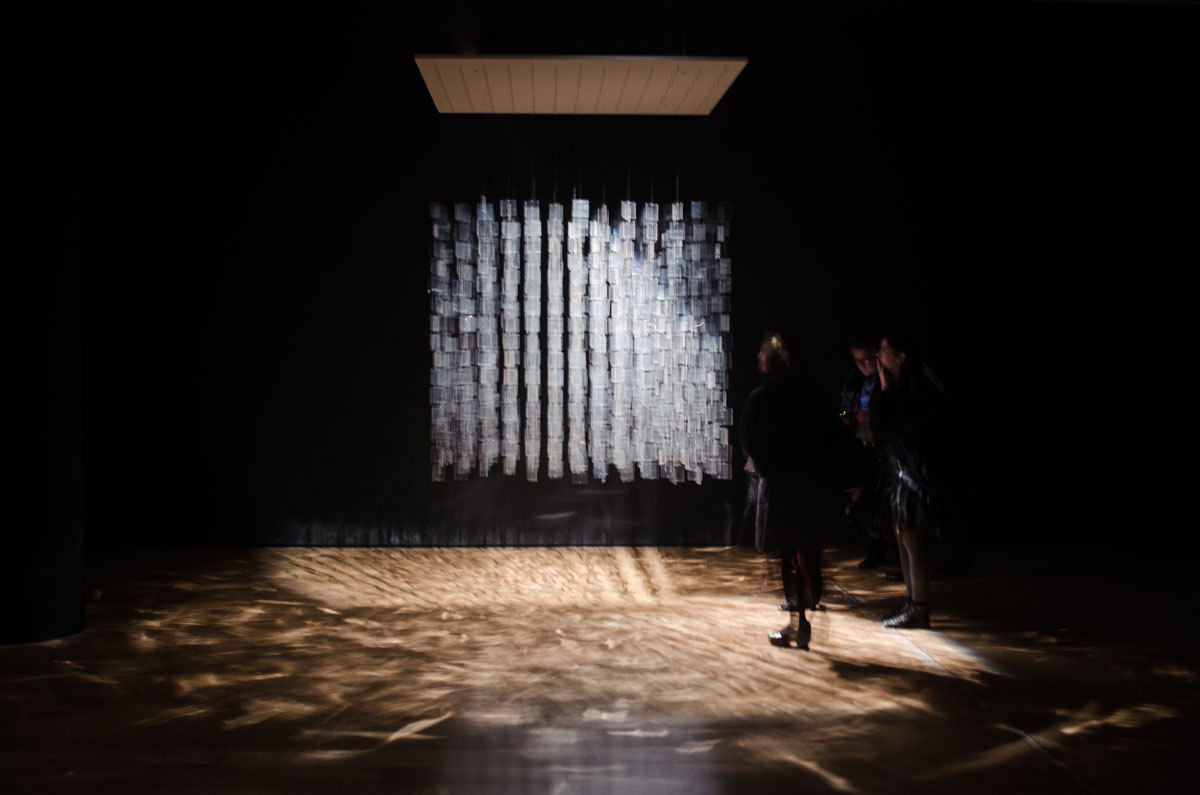
The curatorship was carried out by Hans-Michael Herzog, Artistic Director and Curator of the Daros Latinamerica Collection; Käthe Walser, Technical Curator of the institution; and Victoria Giraudo, Executive Curatorial Coordinator of Malba. The public will be able to actively enjoy a set of 17 light installations, displayed in two rooms of the museum, covering a total of 900 square meters. “Their moving light effects modify the space, permanently recreating it and at the same time dissolving it, including the observer in the total work of art. The basic material substance of the multiple mechanical devices and light machines is elegantly and completely transformed into something immaterial,” explains Herzog.
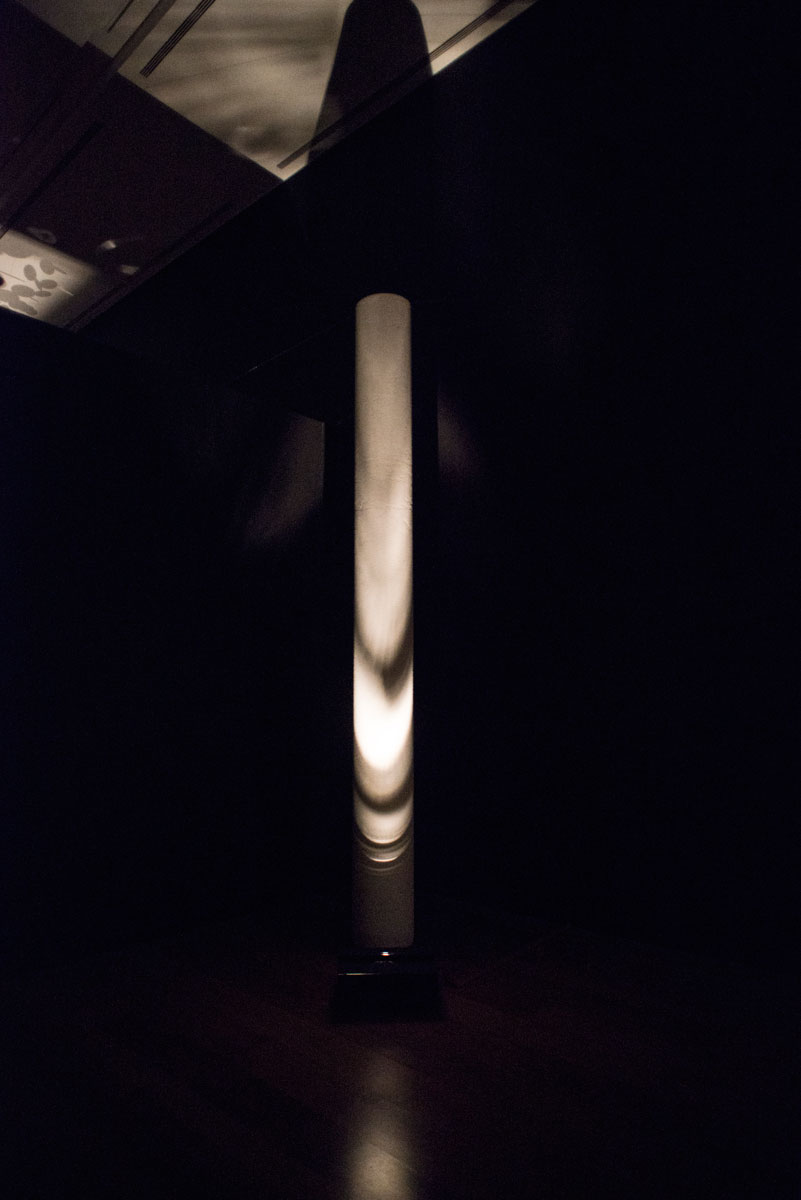
Among the emblematic and large-scale works featured in the exhibition are the cylinder Continuel-lumière cylindre (Continuous Light, 1962); the mobile Continuel-mobil (Continuous Mobile, 1962-1996); and the penetrable Cellule á pénétrer (Penetrable Cell, 1963-2005), a multisensory piece that the artist first presented at the 1963 Paris Biennale as part of the labyrinth L’Instabilité (Instability) by the Groupe de Recherche d’Art Visuel (GRAV), a group co-founded by Le Parc in 1960 to investigate movement based on the dynamic relationship between the viewer and the artistic object.
Together with his colleagues at GRAV, Le Parc proposed in the 1960s a break with the artistic tradition that had prevailed until then, moving away from painting and toward a dynamic conception of the work of art. Le Parc's desire was to create works that were in perpetual transformation and constant instability. His scientific-mechanical research resulted in interesting random plays of light and shadow, in which the viewer's participation completes the work of art with their presence.
In a world where everything is orderly, Le Parc seeks to offer people the opportunity to break free from their regimented existence. His intention is to liberate the observer from their dependence and involve them in the action, integrating them into a total work of art and immersing them in this luminous experience.
This exhibition also marks the beginning of a joint venture between Malba – Fundación Costantini and Casa Daros, a new institution belonging to the Daros Latinamerica collection that opened in March 2013 in the Botafogo neighborhood of Rio de Janeiro. Le Parc Lumière was first presented there from October 2013 to February 2014.
Three emblematic works
Curator: Yamil Le Parc
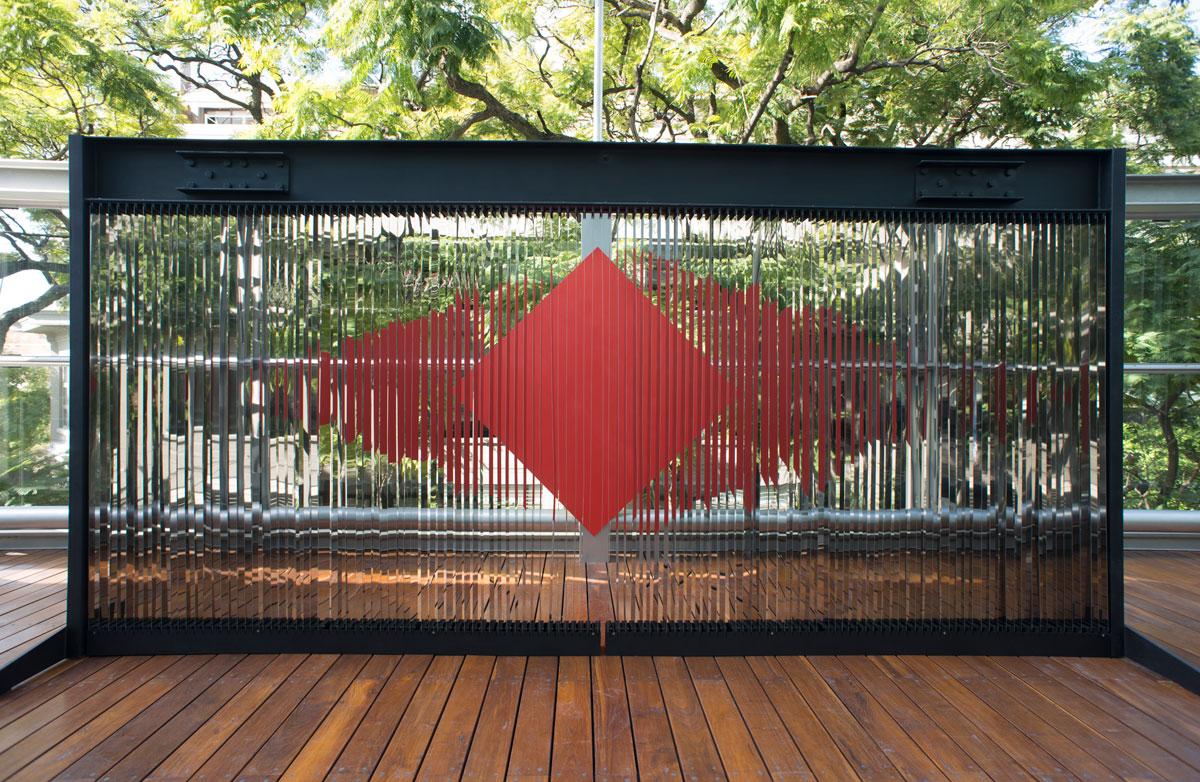
Alongside the exhibition Le Parc Lumière, three emblematic pieces by Julio Le Parc are on display in different spaces at Malba: Mobile Sphere Jaune (Yellow Sphere, 2001–2014), a “great Argentine sun” floating in the Malba hall, created especially for the occasion; Miroirs (Mirrors, 1966-2013), taken to another scale; and Lames réfléchissantes (Reflective Sheets, 1962-2013) on the terrace. These three monumental works are part of a quest begun by the artist between 1960 and 1963 in small and medium formats, and in the words of Yamil Le Parc: “They contribute an important and fundamental element to his work: instability, participation, and interactivity.”
Julio Le Parc
He was born in 1928 in Mendoza, Argentina, and settled in Paris in 1958. He is one of the key figures in contemporary art and one of the pioneers of kinetic art. In the 1960s, together with his colleagues from the Groupe de Recherche d'Art Visuel (GRAV), Le Parc broke radically with the artistic tradition that had prevailed until then, moving away from static pictorial work and toward a dynamic conception, and with it, the constant movement that prevents static observation of the work. In 1966, he won the International Grand Prize for Painting at the Venice Biennale.