03.04 — 07.31.2016
Curator: Agustín Pérez Rubio
Opening: Thursday, March 3, 7:00 p.m.
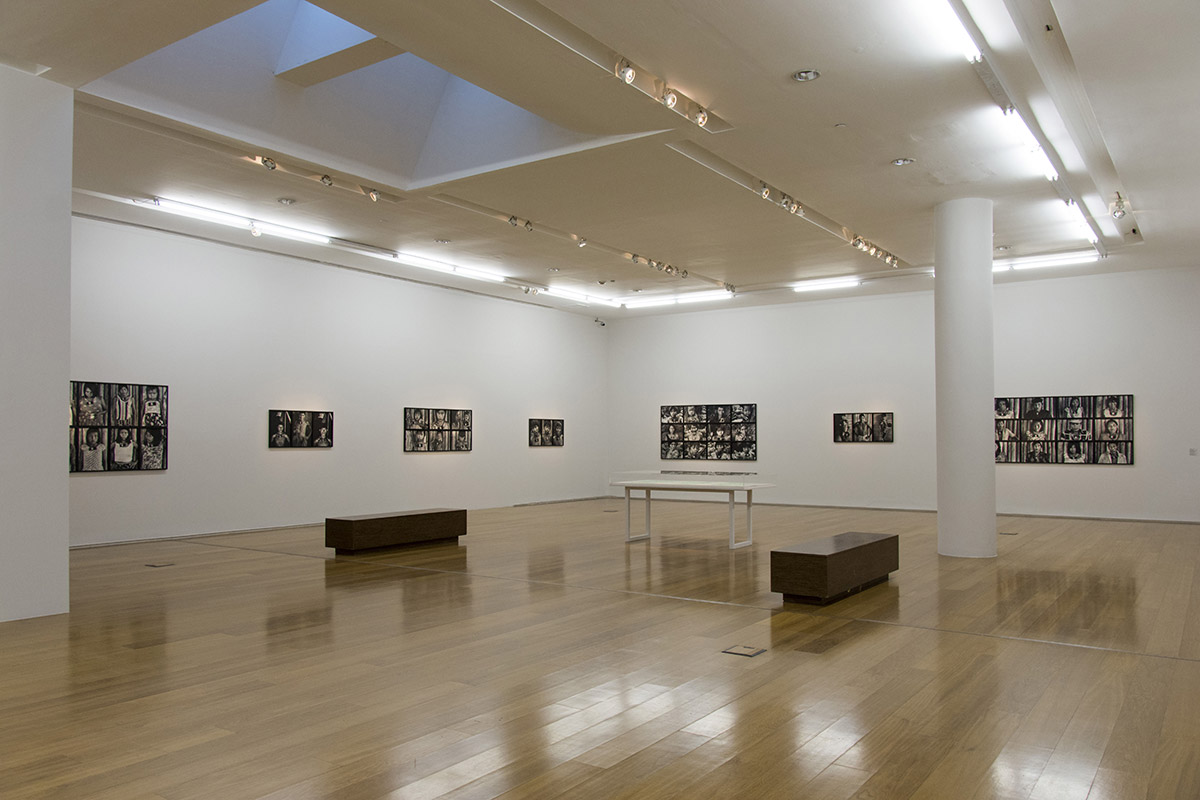
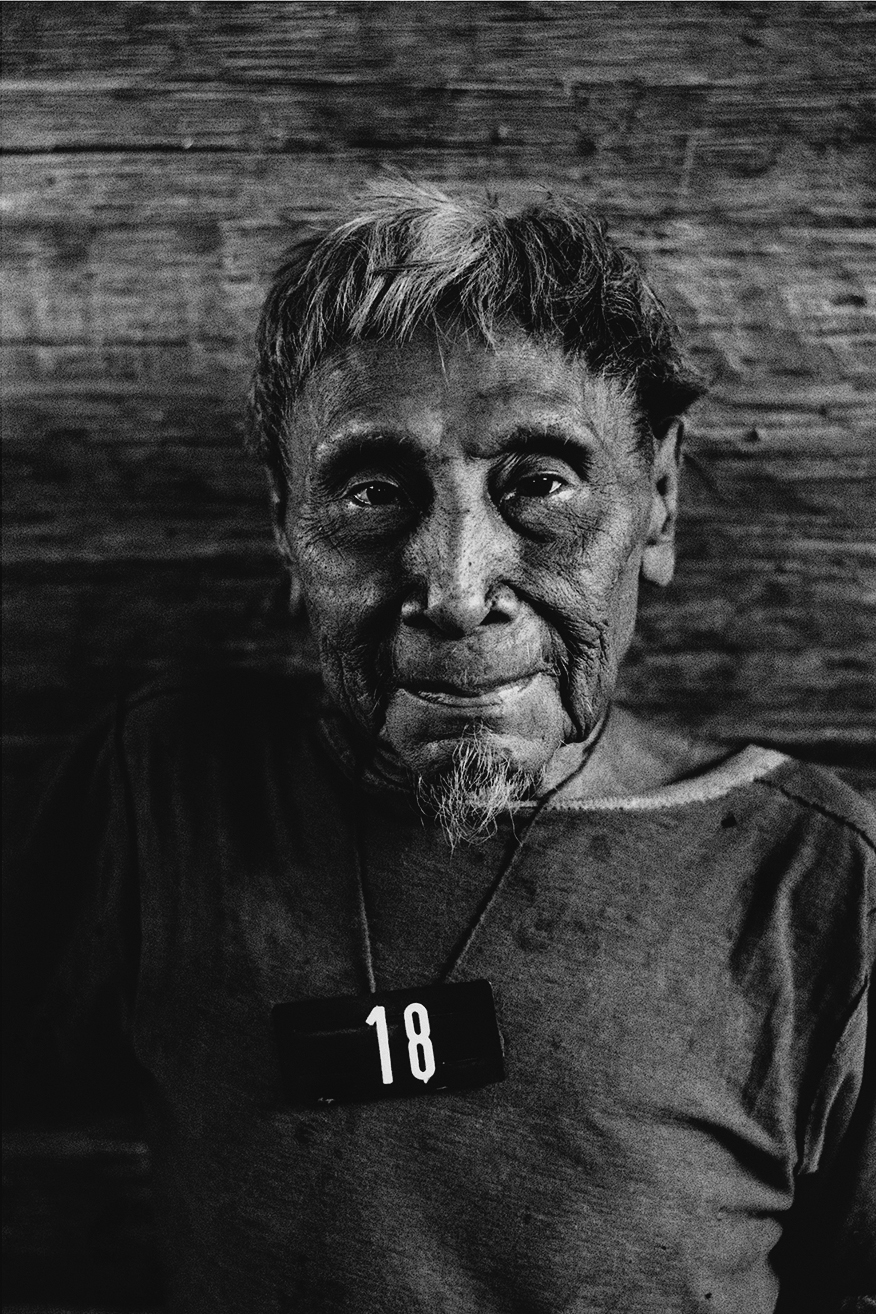
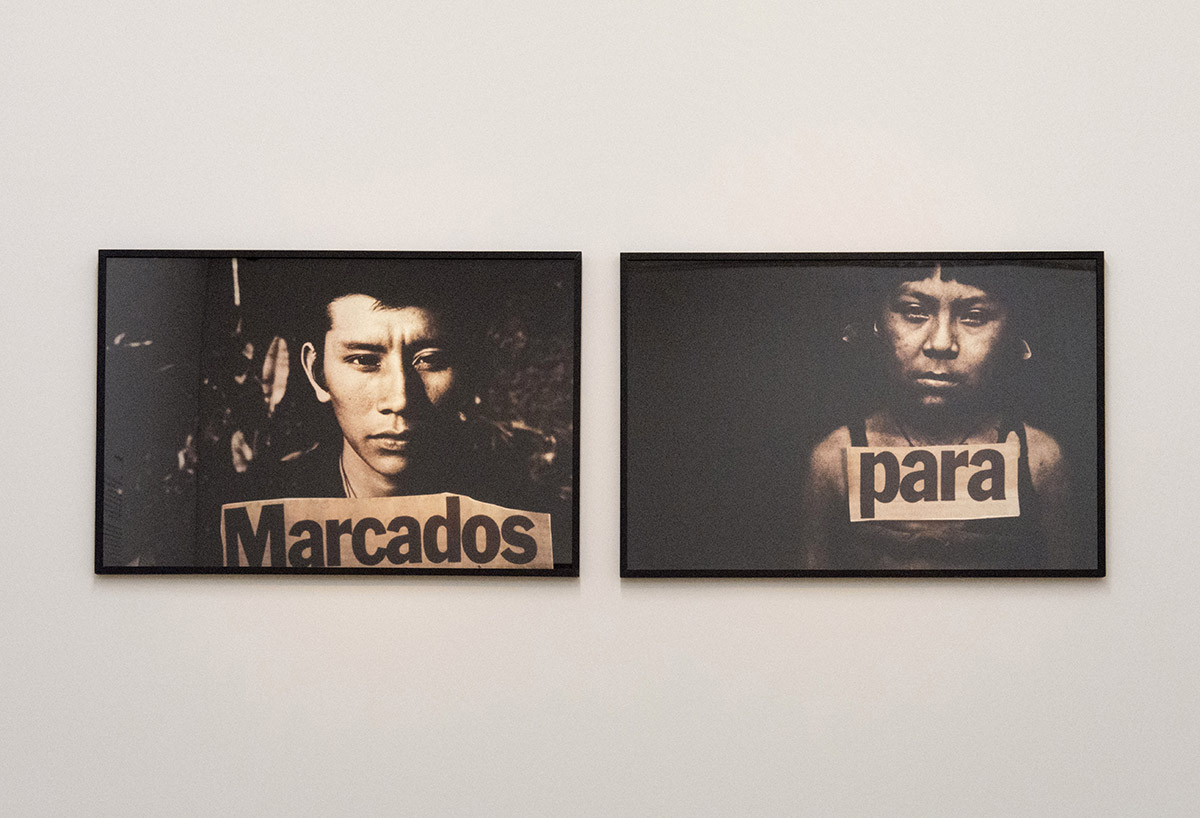
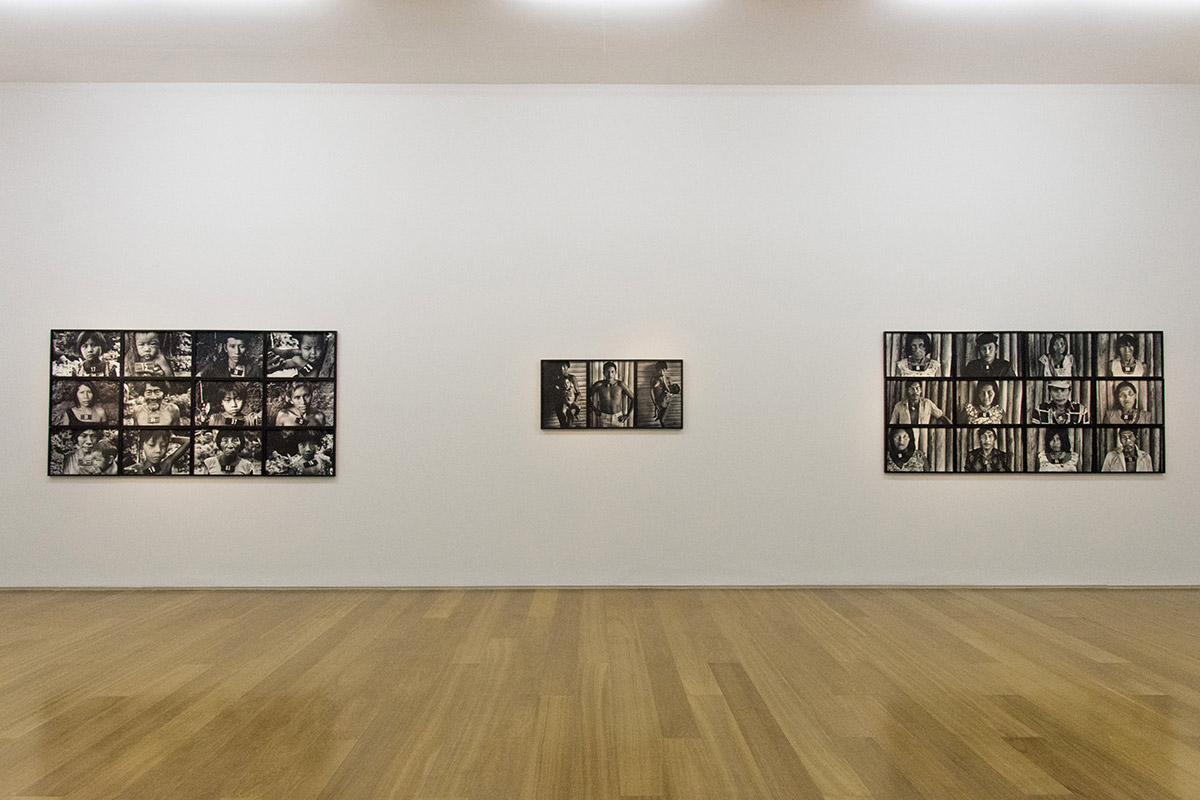
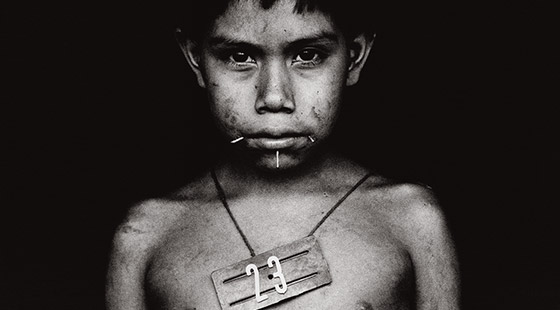
MALBA will present Marcados, a group of over eighty black and white photographs by Brazilian artist Claudia Andujar (Neuchâtel, Switzerland, 1931) never before exhibited in Buenos Aires. From 1981 to 1984, Andujar spent long periods of time in the lands of the Yanomami Indians, mostly in the basin of the Catrimani River, a tributary of the Branco River at the Brazilian border.
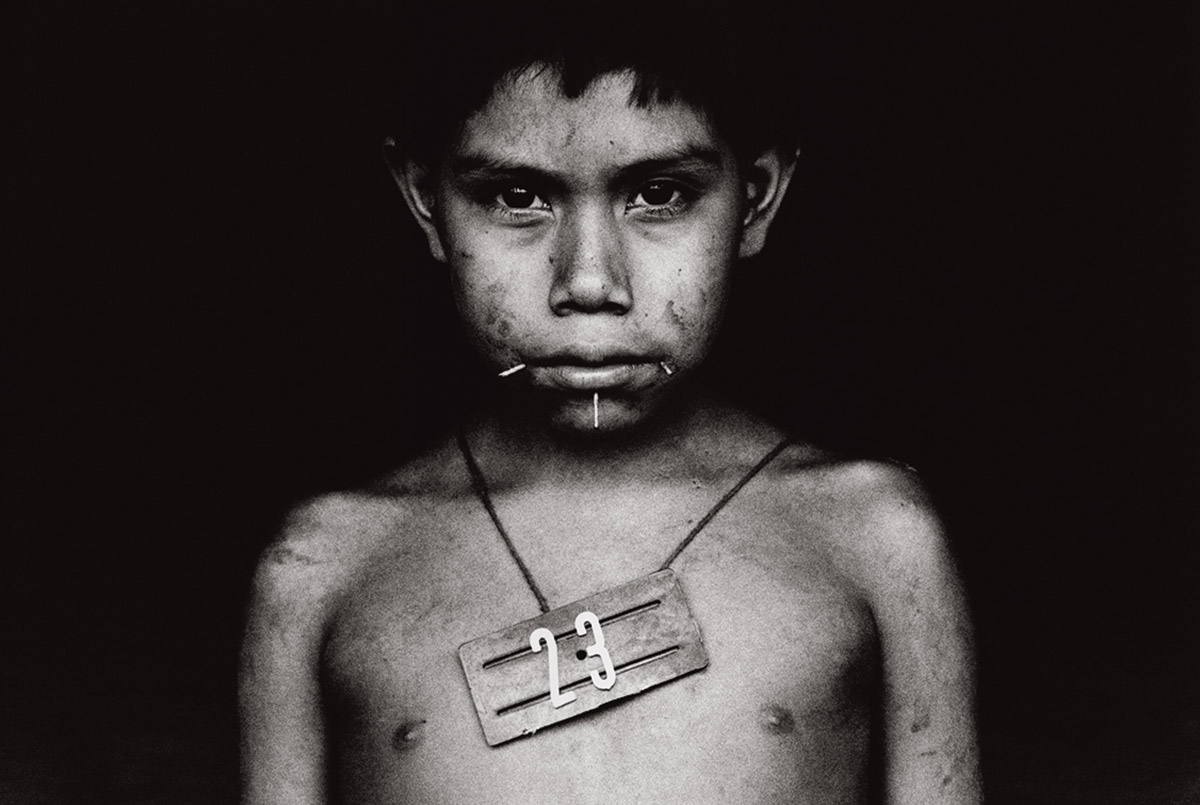
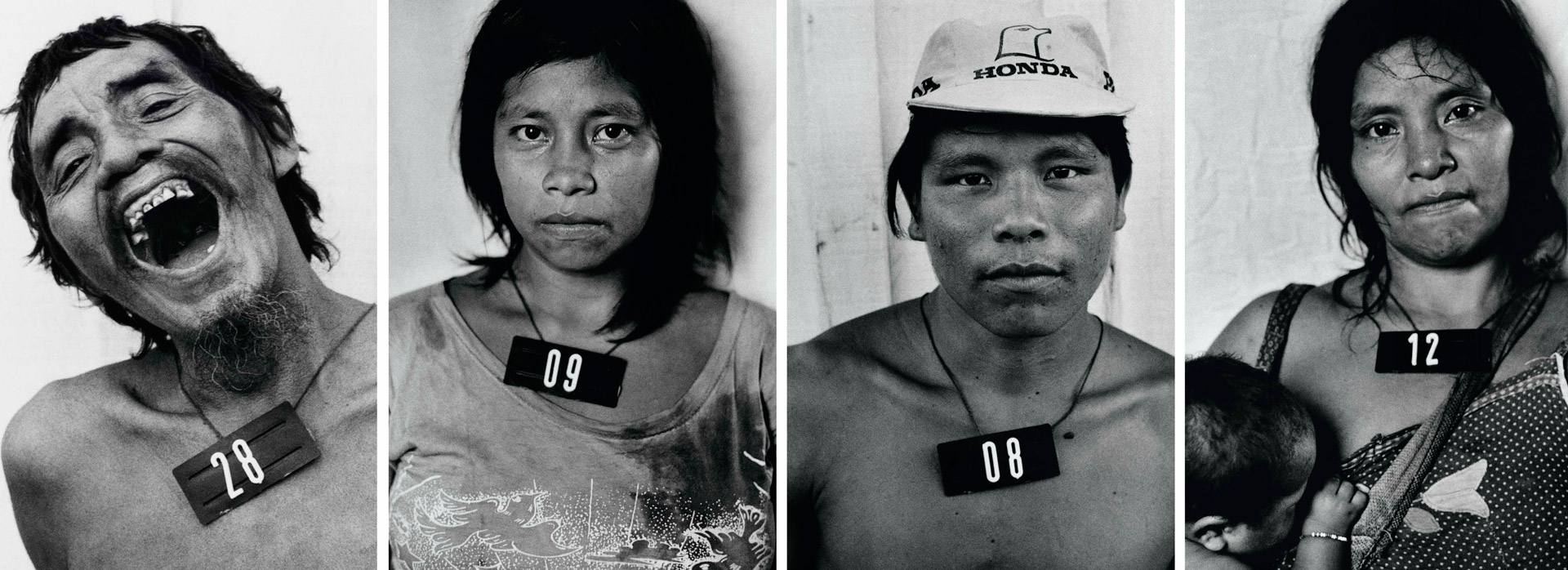
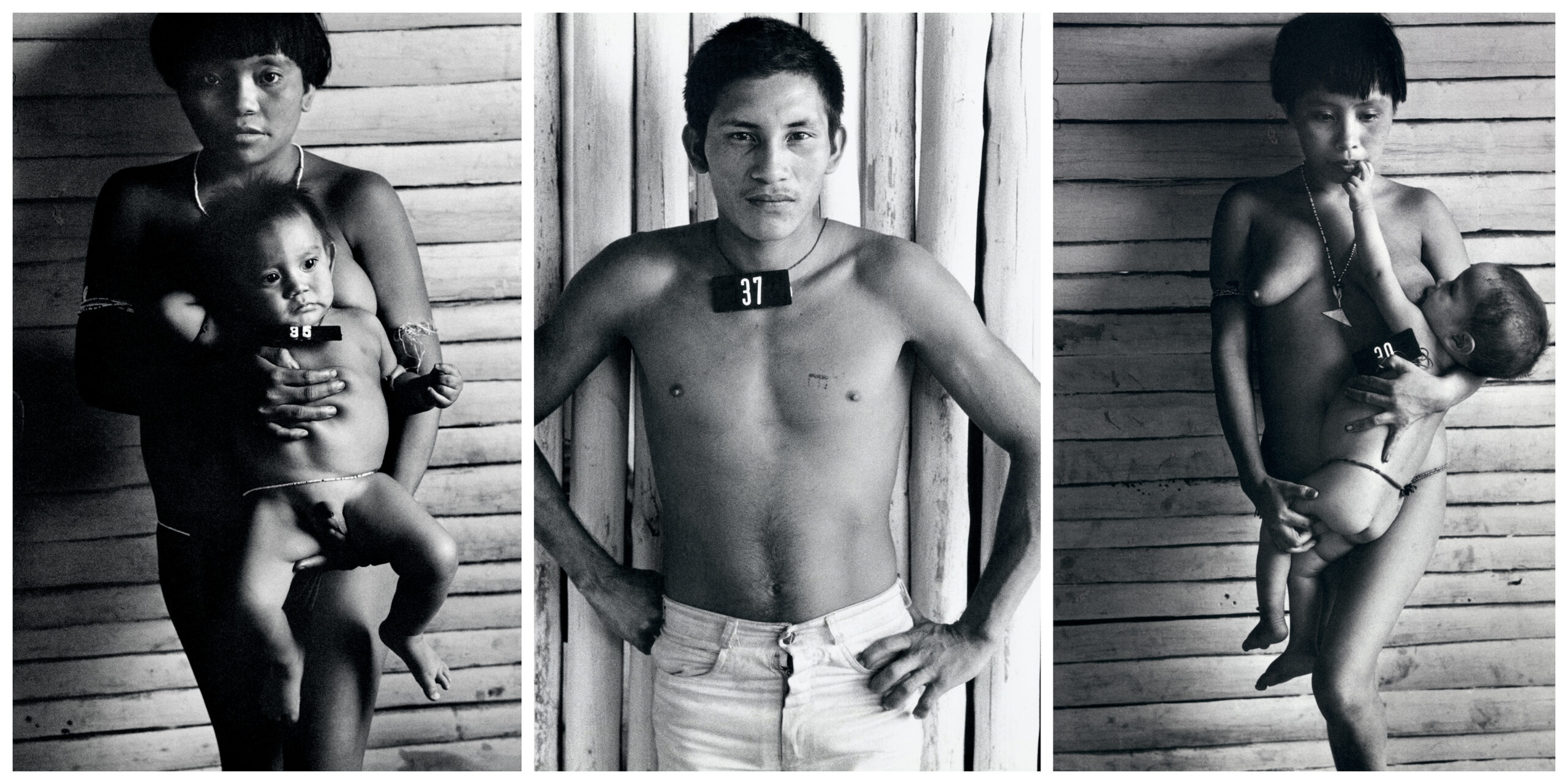
This work, which is anthropological in nature, was motivated by two factors: the desire to help the Yanomami people survive by vaccinating inhabitants of a number of settlements and—on a more conceptual level—the desire to positively identify individuals in order to counter the artist’s own experience in which family and friends were singled out and killed by the Nazis in concentration camps.
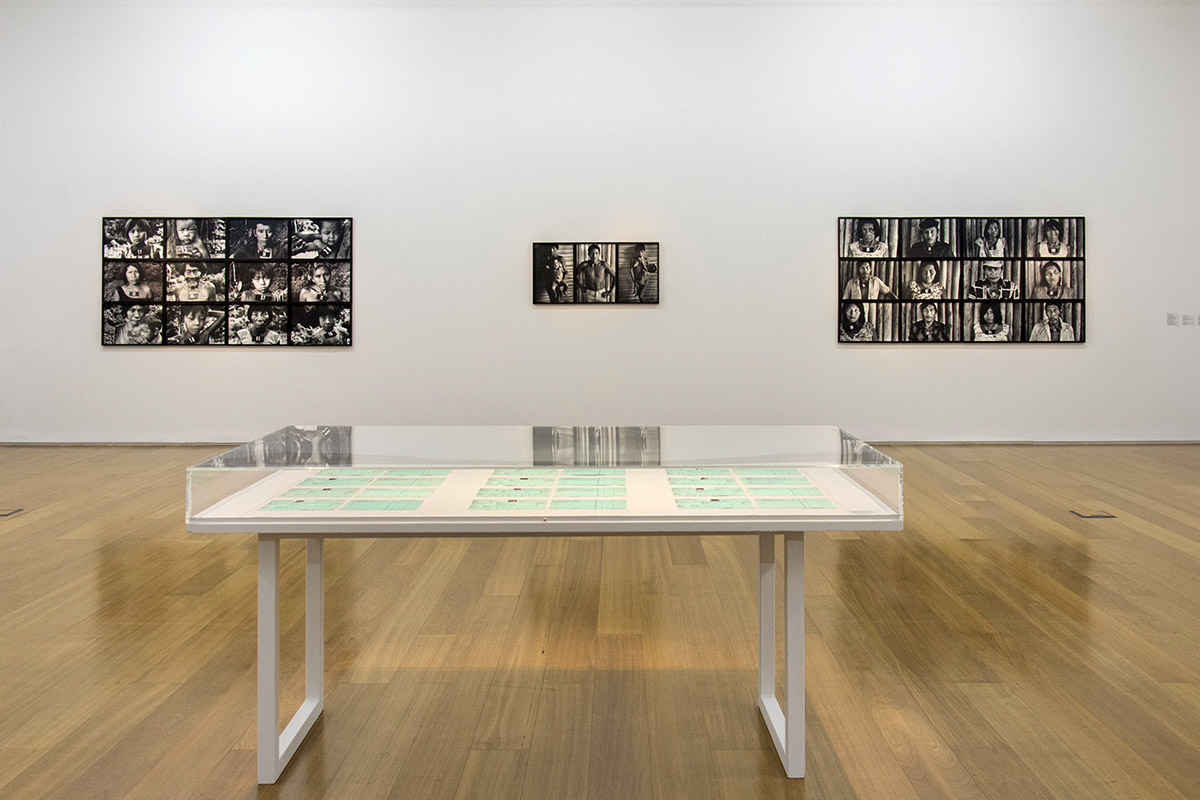
Claudia Andujar, along with two doctors, took a great many photographs of their expeditions and surroundings. They identified each individual photographed with a number hanging around their necks that were used as images in immunization records. This exhibition contains the images of the “marked,” that is, a selection of photographs documenting the expedition, the original immunization records, as well as some contact sheets that attest to the thorough and precise nature of the work Andujar did for this cause.
The Marcados series was shown for the first time at the 27th São Paulo Biennial (2006) whose theme was “How to Live Together.” The exhibition also features documents that put the photographs into context, among them “Informe 82” (1982) produced by the Comissão Pró Yanomami (CPY) over which Claudia Andujar presides.
With the collaboration of the Brazilian Embassy in Buenos Aires.

In the Press
Claudia Andujar y Juan Tessi Cameo
Exit, 01.03.2016
Estética detrás del gesto documental
Ñ, 07.03.2016
Andújar y los Yanomami, una etnia en extinción
Jaque al arte, 29.02.2016
Claudia Andujar
Neuchâtel, Suitzerland, 1931. She has lived and worked in Brazil since 1954.
Andujar grew up in Romania and Hungary. She and her mother escaped World War II by seeking exile in Austria, while her father was deported to Dachau concentration camp where he would die along with most of the artist’s family.
Andujar immigrated to the United States where she studied the humanities at Hunter College in New York. In 1954, she moved to Brazil where she began working as a photojournalist, documenting the lifestyle of the Carajá Indians. She began her work with the Yanomami people in the seventies, depicting the devastation caused by deforestation and mining while working with the community on an array of initiatives.A celebration of the Yanomami’s rich culture, Andujar’s photography provides a vision of the complexities of their world.
Andujar has contributed to a great many publications, documentary projects, and exhibitions on the Amazon and its indigenous peoples.
Her work has been featured in solo and group exhibitions at the Fondation Cartier (Paris), the Museu de Arte Moderna da Bahia (Salvador), the Pinacoteca do Estado de São Paulo, the Instituto Tomie Ohtake (San Pablo), the Centro Cultural Banco do Brasil (Brasilia), the 12th Istanbul Biennial, the Maison Européene de la Photographie (Paris), and many other institutions and events. Her photographs have been published in Life, Look, Fortune, Aperture, Realidde, Setenta, and other magazines, and form part of the collections of the Museum of Modern Art in New York, the George Eastman House in Rochester, the Amsterdam Art Museum, and other major museums the world over.
Register
Catalogue
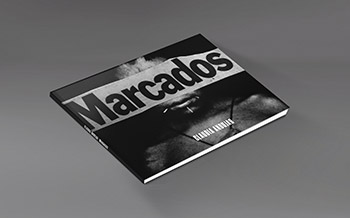
Thanks to an editorial collaboration agreement with the National University of the Arts (UNA), MALBA is publishing a book to accompany the exhibition project. The book reproduces the most compelling body of Andujar's work on the Amazon: the series Marcados and Parcados Para, and includes an introductory text by the artist.
Available at MALBA Store