Event Details
This event finished on 11 March 2012
- Categories: Exhibitions
- Tags: Plantilla histórica
09.21.2011 — 03.11.2012
Curator: Mari Carmen Ramírez
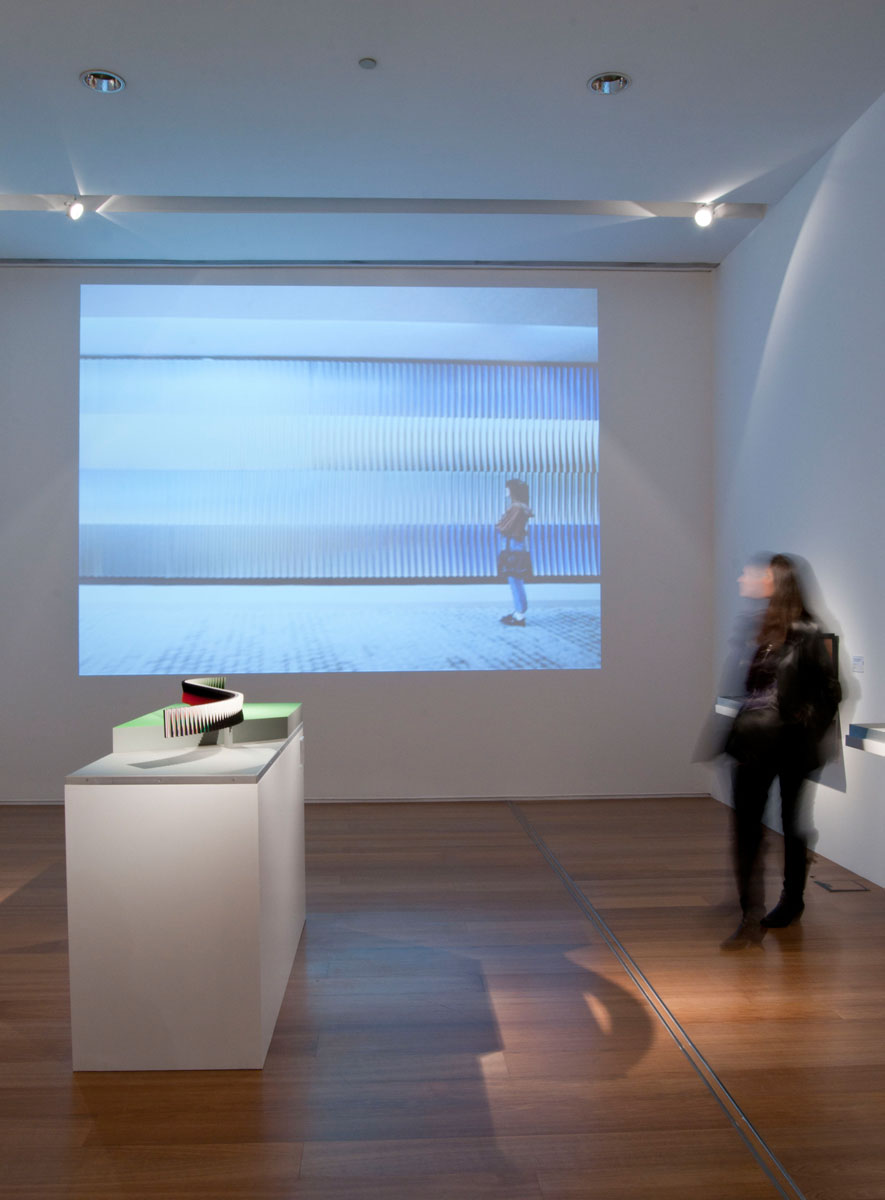
Carlos Cruz-Diez: Color in Space and Time is the first major retrospective in Argentina of the Franc-Venezuelan artist Carlos Cruz-Diez. The exhibition presents a selection of over 120 works produced from 1940 to the present, providing the local public with an opportunity to come into contact with the extensive production of a major 20th-century figure.
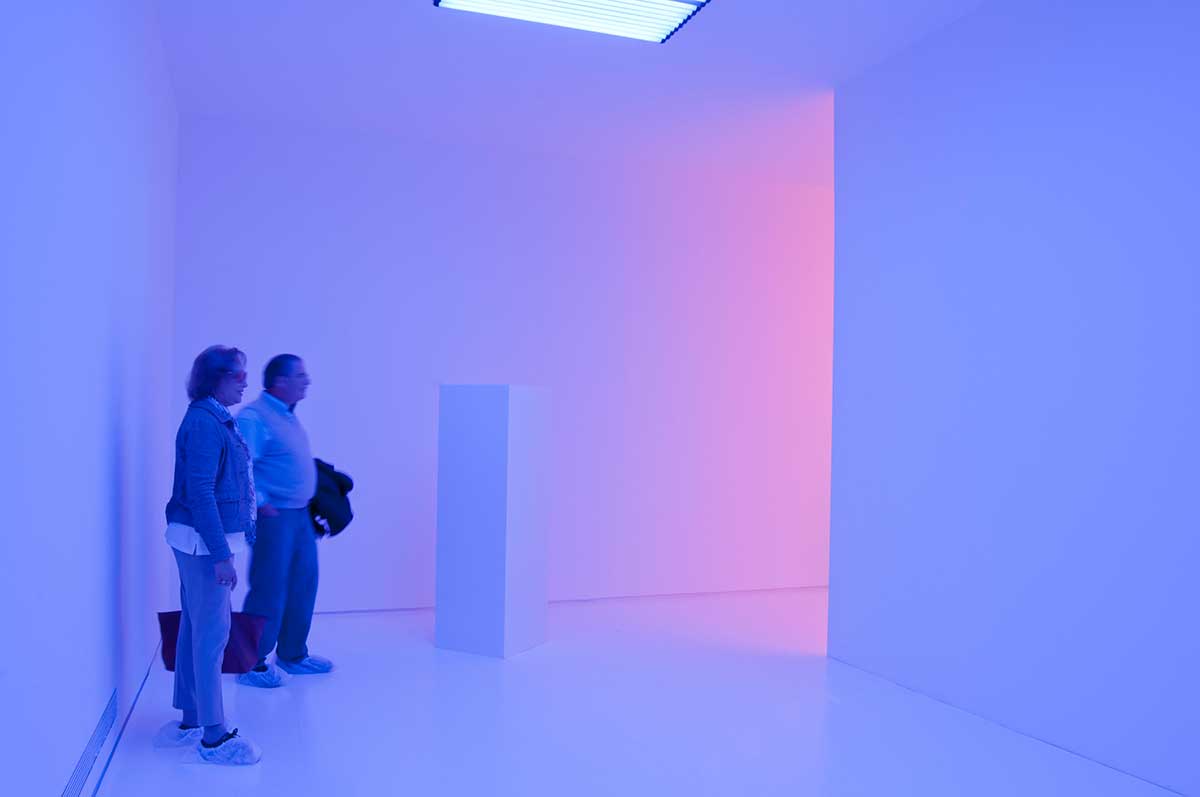
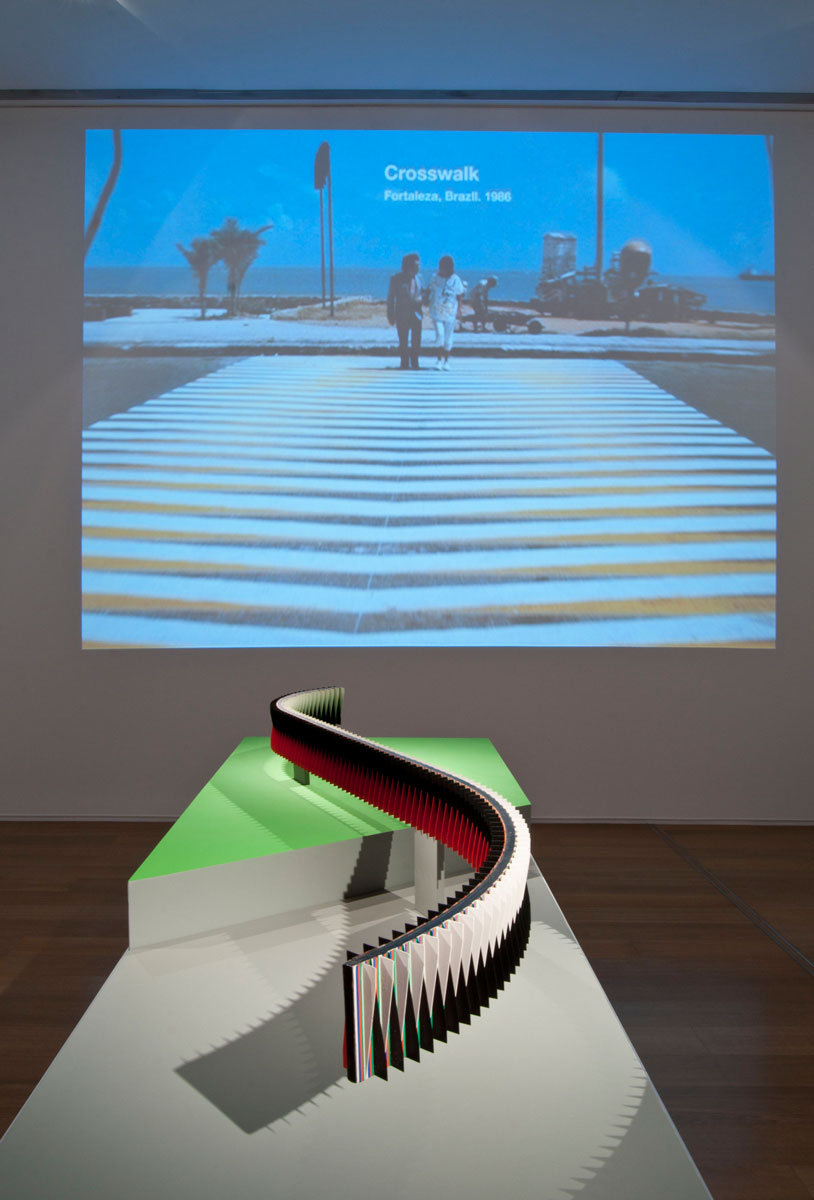
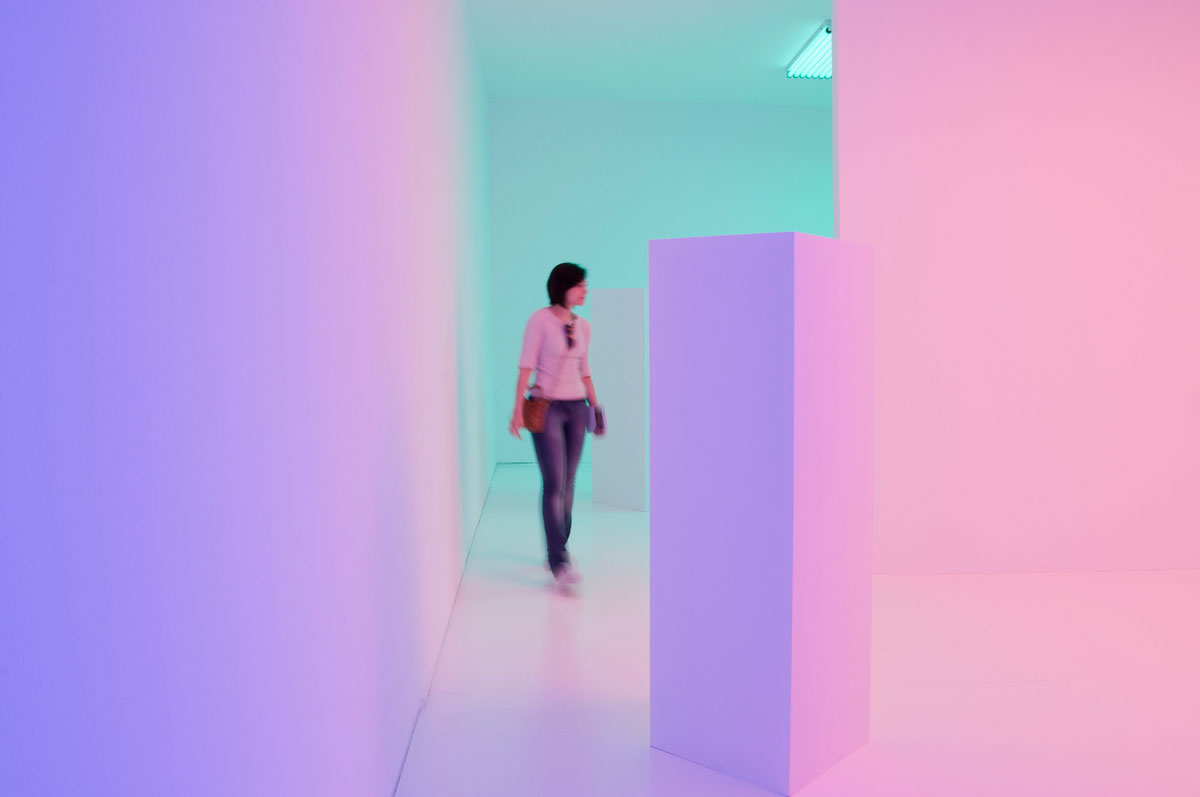
For more than five decades Carlos Cruz-Diez (b. 1923) has intensively experimented with the origins and optics of color. His wide-ranging body of work includes unconventional color structures, light environments, street interventions, architectural integration projects and experimental works that engage the response of the human eye while insisting on the participatory nature of color.
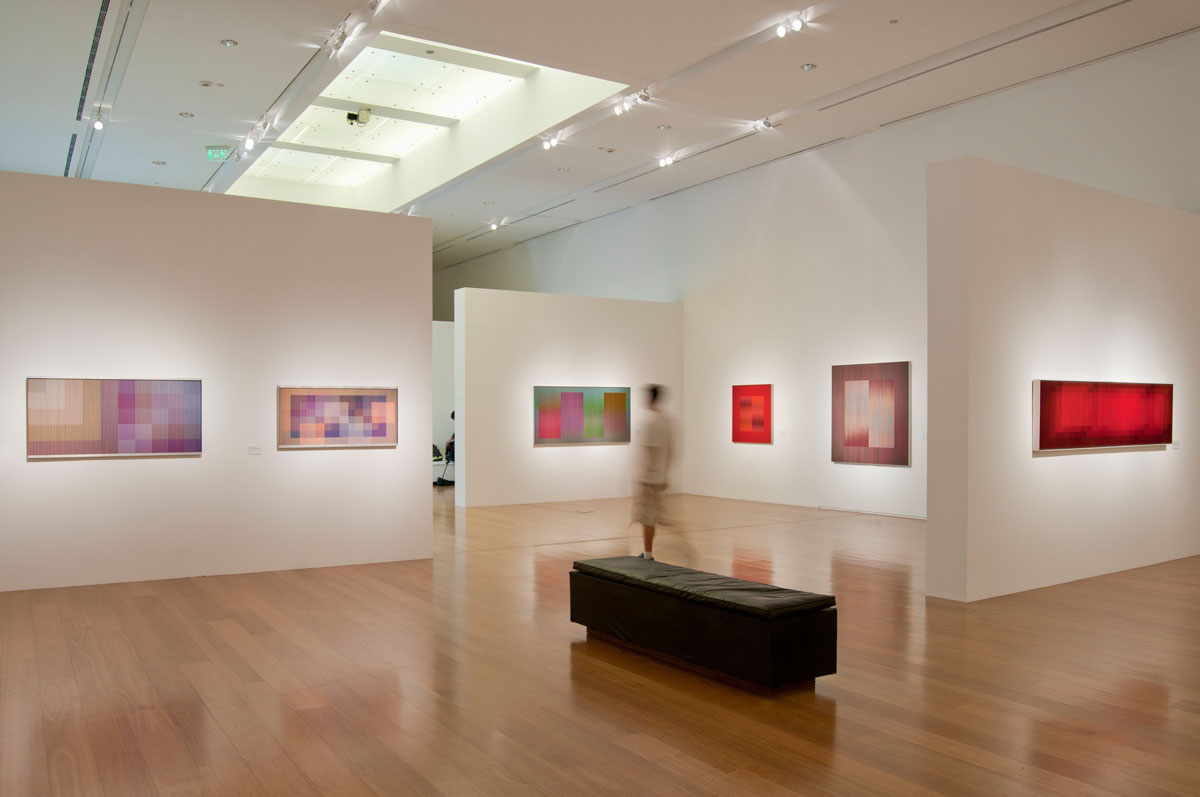
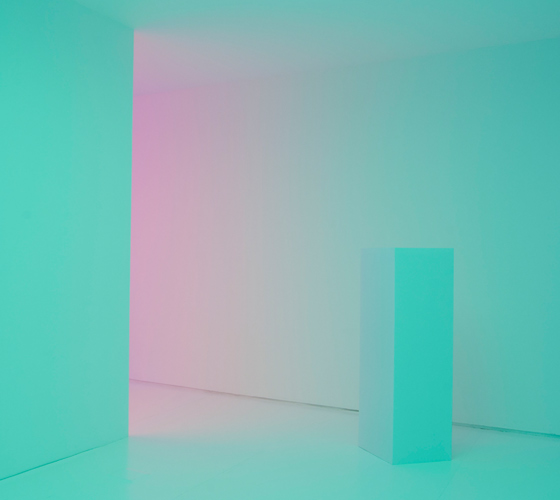
The Museum of Fine Arts, Houston, and the Cruz-Diez Foundation, Houston, are organizing the first large-scale retrospective of this pioneering Franco-Venezuelan artist. Carlos Cruz-Diez: Color in Space and Time features more than 120 works created from the 1940s to today, including paintings, silk-screen prints and innovative chromatic structures; room-size chromatic environments, architectural models and videos; and a virtual re-creation of the artist’s studio. The exhibition introduce international audiences to Cruz-Diez’s extensive production and place his theoretical and artistic contributions to 20th-century Modernism in a broader context than they have traditionally been seen.
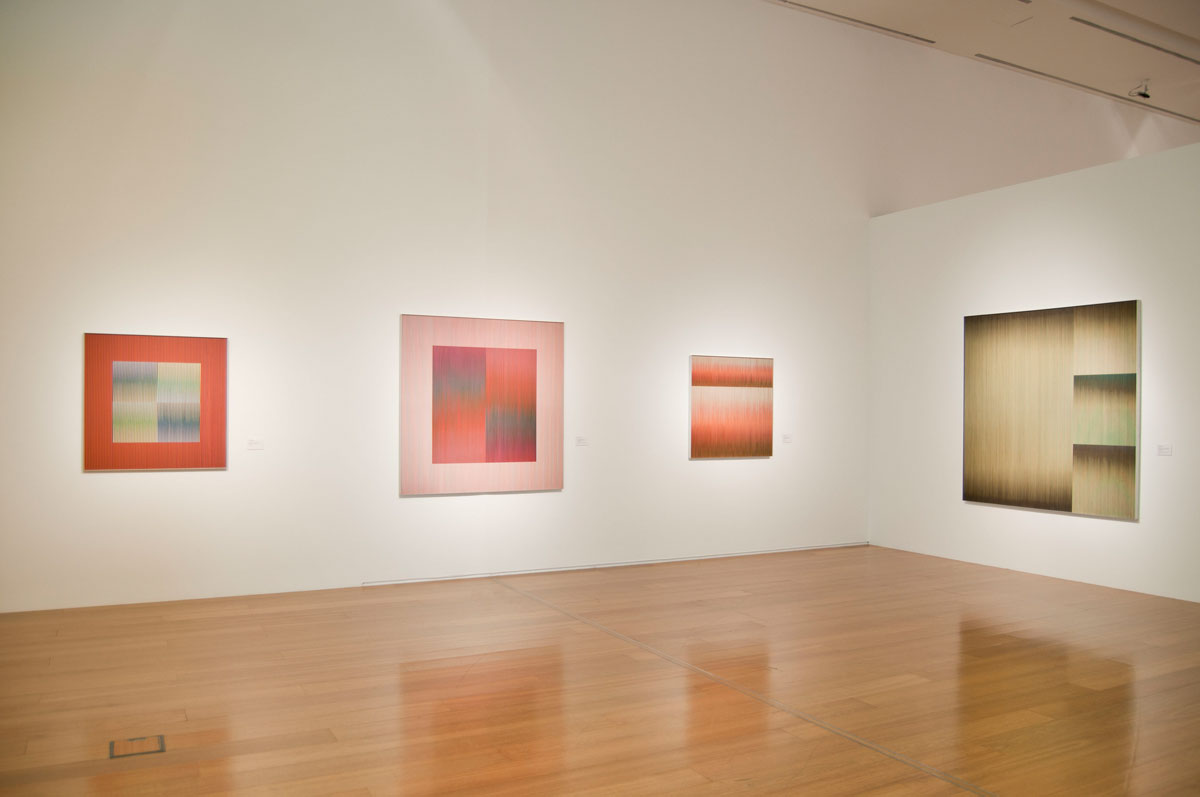
The starting point for Cruz-Diez’s chromatic investigations is the unstable nature of color. In his view, color is not a pigment on a solid surface but a situation that results from the projection of light on objects and the way this light is processed by the human eye. Insofar color depends on the movement of the viewer in front of the work, it entails a participatory and interactive experience in space and time. The artist’s task is to induce situations and to stimulate the dialogue between the stable and the unstable nature of color on a variety of supports by means of multiple strategies and unconventional materials that included cardboard, aluminum, polished stainless steel and acrylic paint.
“Generally considered in the context of Kinetic Art, the significance of the large body of work produced by Cruz-Diez since the 1950s extends beyond issues of movement, vibration and sheer retinality. From the beginning, Cruz-Diez focused his research and experiments on one critical issue: the investigation of color as a living organism that is in a constant state of transformation. This exhibition aims to show his radical and unprecedented achievements in this area”, said Ramírez.
Cruz-Diez’s work combines color theory, science, kinetics, mechanical engineering and the painter’s craft and defies easy categorization. In order to realize his artistic vision, particularly with regard to the innovative Physichromies series, the artist adapted or invented his own tools and machines. And he has involved his family and a large corps of assistants in the enterprise, with guild-style studios in Paris, Panama, and Caracas. The works on view in Carlos Cruz-Diez: Color in Space and Time culled from the Cruz-Diez Foundation Collection at the MFAH and the Atelier Cruz-Diez in Paris and Panama; as well as public and private collections around the world.
Carlos Cruz-Diez
Born in Caracas in 1923, Cruz-Diez has lived and worked in Paris since 1960 and also runs workshops in Panama, Miami, and Caracas. He emerged as an artist in the mid-1950s in Paris, at the height of the Kinetic Art movement. Although he was friends with several of the artists in the group, he was never officially incorporated into it. He has dedicated his entire work to showing how color can be transformed into an autonomous event capable of invading space.
In 1945, Cruz-Diez graduated in manual and applied arts from the School of Plastic and Applied Arts in Caracas and began working at the international advertising agency McCann-Erickson. By the time he turned 25, he had risen to the position of art director at the agency, but he continued to work as a full-time artist and taught History of Applied Arts at the School of Plastic and Applied Arts between 1953 and 1955. Then, in 1957, he opened the Estudio de Artes Visuales (Visual Arts Studio) in Caracas, a graphic and industrial design workshop where he began the Fisicromías series. In 1958, he returned to the School, where he served as professor and assistant director; then at the Université d'Enseignement de Recherches between 1972 and 1973; and as professor and director of the Art Unit of the Institute of Advanced Studies, IDEA, Caracas, from 1986 to 1993.
Cruz-Diez's works are included in the permanent collections of institutions such as the Museum of Modern Art (MoMA) in New York, the Tate Modern in London, the Centre Georges Pompidou in Paris, the Museum of Fine Arts in Houston, the Musée d'Art Contemporain in Montreal, the Wallraf-Richartz Museum in Cologne, and the Musée d'Art Moderne de la Ville de Paris, among others.