Open today from 12:00 to 20:00

Open today from 12:00 to 20:00
About Malba

Malba, the Museum of Latin American Art of Buenos Aires, is internationally recognized as a landmark institution for Latin American art and as an essential destination in the artistic and cultural life of Buenos Aires.
Founded in 2001, it is a non-profit organization that preserves and exhibits one of the world's most important collections of Latin American art, comprising over 700 works by the region's leading modern and contemporary artists. It also offers an annual program of temporary exhibitions of Argentine, Latin American, and international art, in collaboration with other regional and global institutions.
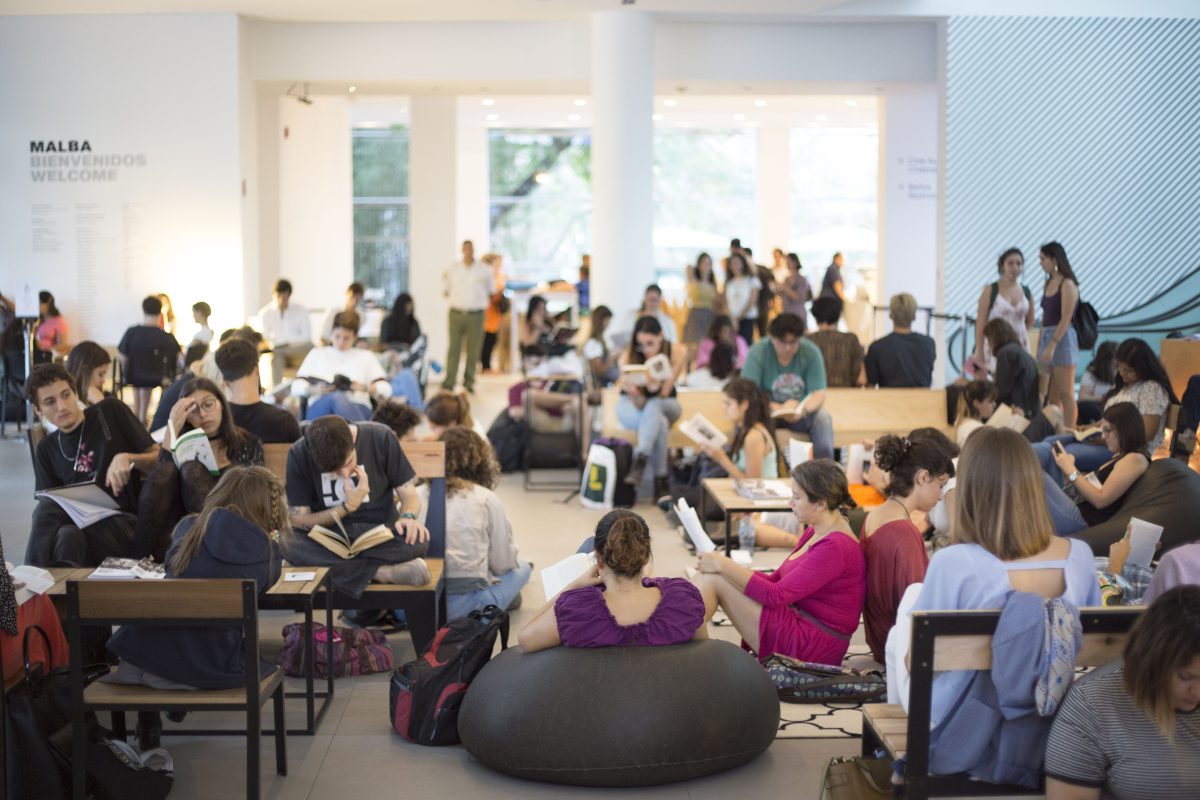
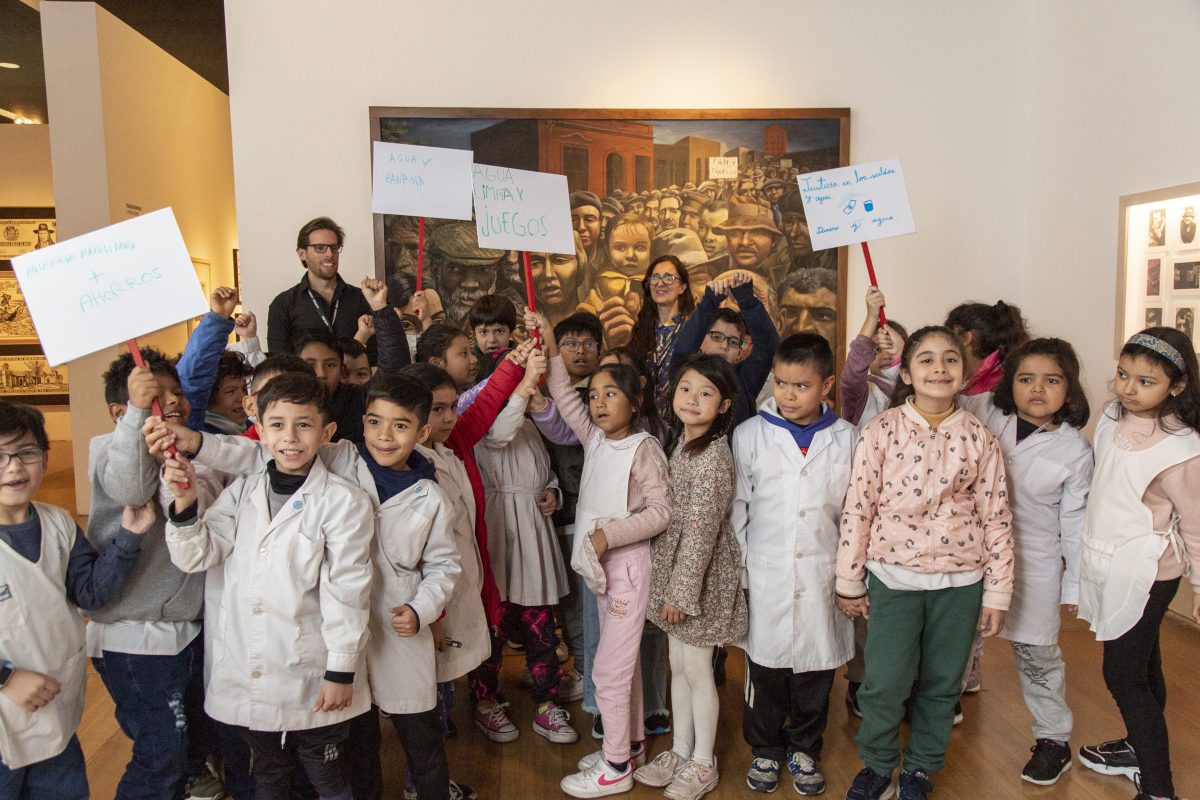
Since its inception, the museum has served as an inclusive and pluralistic space for the production of cultural activities, aimed at broad and diverse audiences. It has two main departments—Film and Literature—and robust Education and Public Programs.
It receives an average of 500,000 visitors per year.
Malba's mission is to co-create, together with its collaborators and visitors, an inclusive and participatory meeting space that fosters an emotional connection with Latin American art and culture.
The Museum collects, conserves, studies, and disseminates modern and contemporary Latin American art. Its main objectives are:
To educate the public and awaken their interest in Latin American creators.
To contribute to the understanding of Latin American production, promoting recognition of the region's cultural and artistic diversity.
To share this responsibility with the national and international community, promoting artistic exchange among local, regional, and international institutions and supporting innovative programs focused on the visual arts and Latin American culture.
In 2001, Mr. Eduardo F. Costantini donated 223 pieces from his personal collection to found the museum, including seminal works by artists such as Antonio Berni, Emilio Pettoruti, Wifredo Lam, Maria Martins, Xul Solar, Frida Kahlo, and Diego Rivera. On September 21 of that same year, Malba opened its doors to the public in the building designed by AFT Arquitectos, winner of an international competition held in 1997. In a short time, Malba became an internationally recognized museum for its unique collection of Latin American art and a meeting point in the city's cultural life.
The museum operates today as a non-profit organization, housing a collection of over 700 works of Latin American art by 200 artists ranging from the beginnings of modernism to the present. It includes artists and works from Argentina, Uruguay, Brazil, Mexico, Ecuador, Cuba, Colombia, Venezuela, Chile, among other countries.
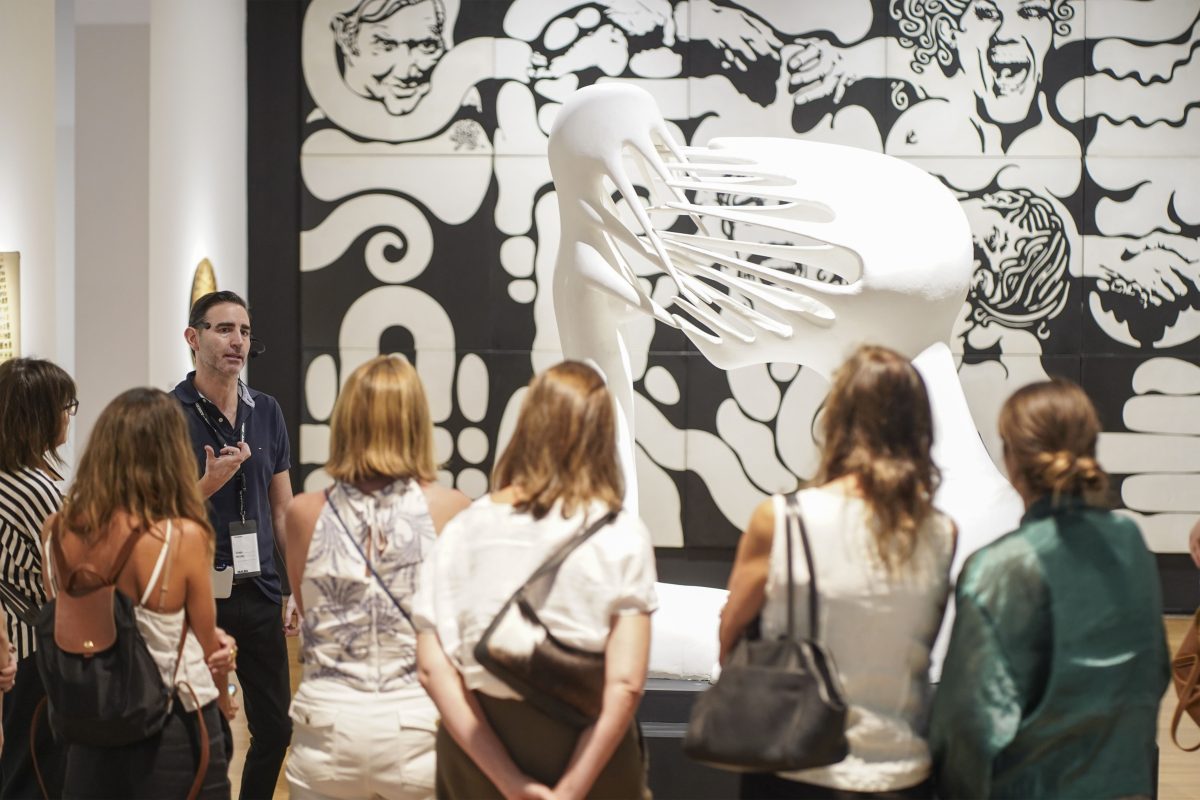
Malba is a dynamic cultural center: alongside its collection, it offers a program of temporary exhibitions of Argentine, Latin American, and international art, featuring both established and emerging artists. Additionally, the museum has an extensive Film program, which includes specialized series and national premieres—in one of the few theaters in the city that permanently projects in 35mm—and a Literature program that hosts encounters with writers, courses, talks, and book presentations.
The management model is completed with a Publications Department, Public Programs activities, and an Education area that, through multiple programs, contributes to creating an inclusive, pluralistic, and diverse museum. In 2024, Malba opened a venue in the town of Escobar, Province of Buenos Aires, 50 km from the original museum. Malba Puertos aims to bring ideas, projects, and prominent voices from the current art scene to new communities, especially to the residents of its area of influence.
The art center comprises five interior and exterior spaces that offer different exhibition formats and media with free admission. It is envisioned as an accessible, community-oriented, educational, and interdisciplinary space, integrated into the landscape and its natural environment.

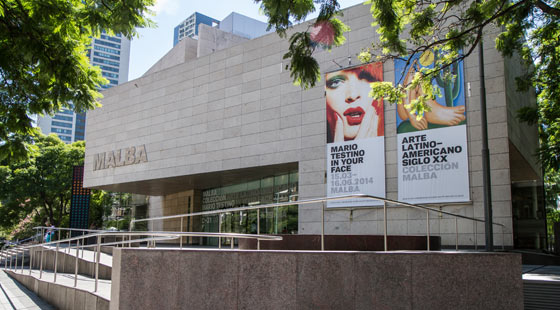
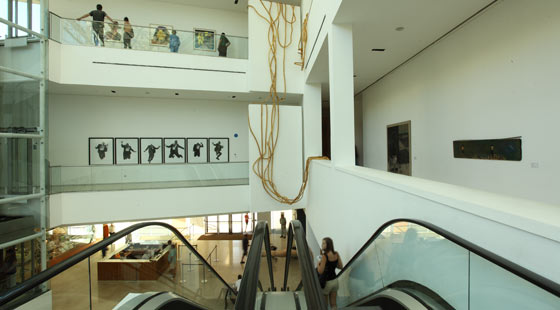
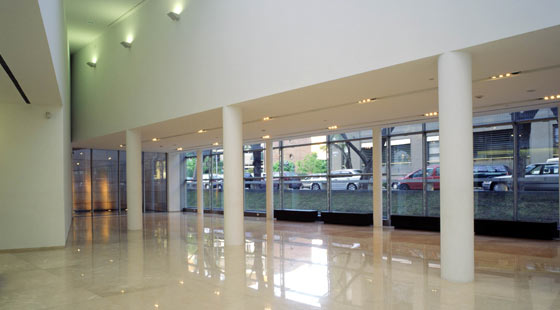
Malba operates in a building specially constructed following an international competition launched as part of the VII Buenos Aires Architecture Biennial BA/97. The winning architectural project was developed by the Córdoba-based firm AFT Arquitectos, composed of Gastón Atelman, Martín Fourcade, and Alfredo Tapia.
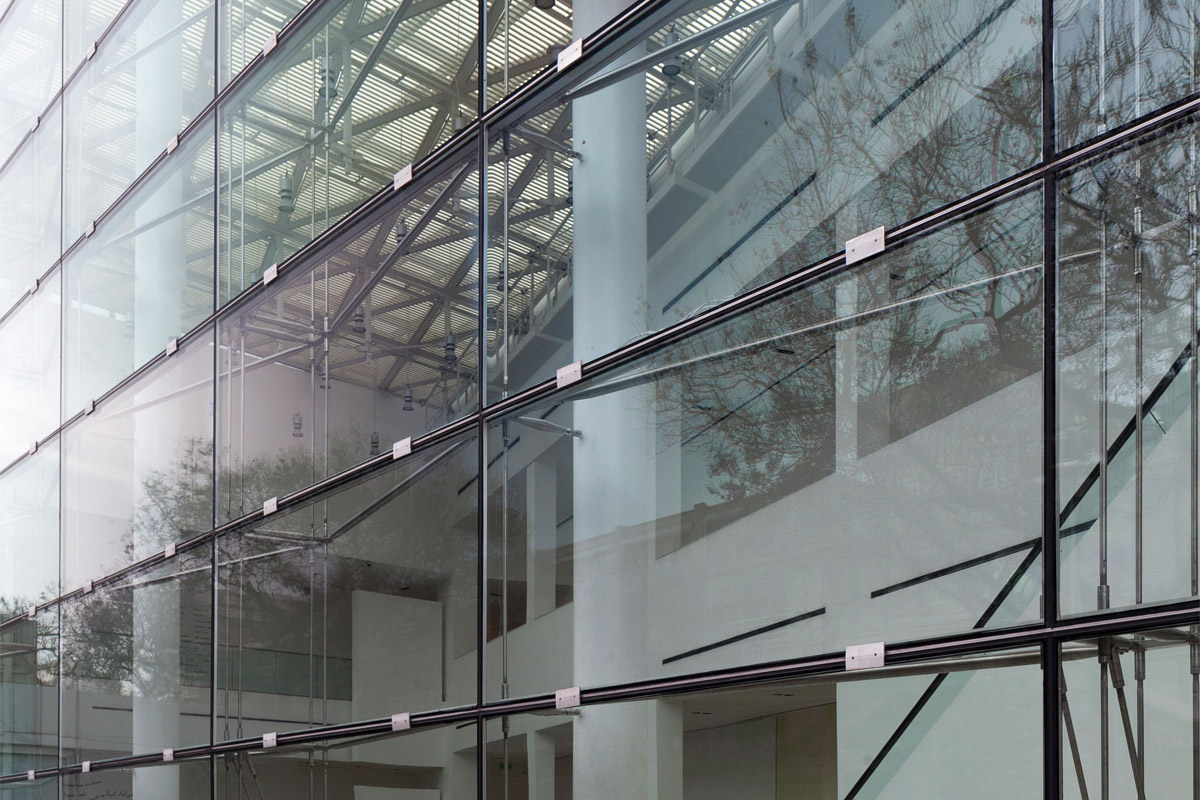
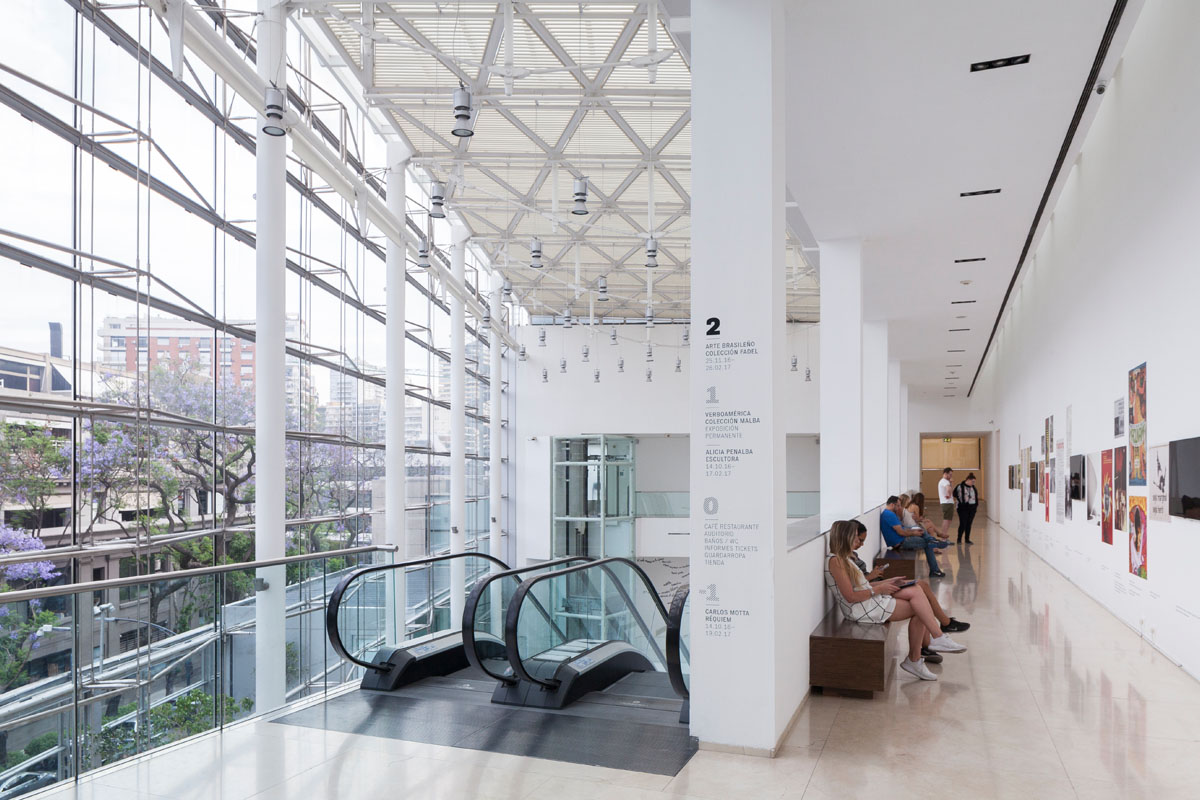
The project was developed with the purpose of integrating the building into the city and creating an environment conducive to enjoying works of art, while complying with international standards for exhibition and conservation. The large prisms clad in limestone, the glazed planes, the configuration of the different galleries and the museum's vital spaces constitute an architecture of efficient neutrality and make the museum a landmark for the culture of the city of Buenos Aires.
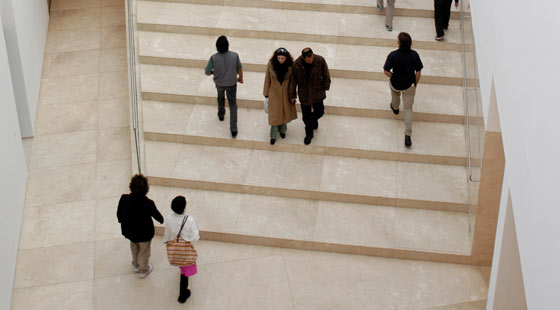
In 2017, sixteen years after its founding, Malba undertook an ambitious renovation project of the ground floor of its building to improve access, circulation, communication, and the quality of services offered to visitors. The work arose as a response to Malba's rapid growth and positioning in the City's artistic and cultural scene and to the need to expand its central hall, due to the increase in audiences choosing the museum as a meeting point and center of participation.
The Puertos venue is a 5,500 m² site designed by Herreros Arquitectos (Spain), which combines a succession of galleries, public spaces, gardens, and woodlands. Its transparent architecture, without boundaries or hierarchy, without a predetermined manual for use or circulation, invites visitors to have an experience where nature, art, and learning converge.
Alongside the exhibition of its collection, Malba presents shows of Argentine, Latin American, and international art, with an average of three major exhibitions per season, each displayed for approximately three months.
These exhibitions promote dynamic interaction with invited local, regional, and international curators. They are produced by Malba—in many cases in partnership with other institutions—or traveling exhibitions that come to the museum from abroad.