06.30 — 09.16.2013
Curators: Philip Larratt-Smith and Frances Morris
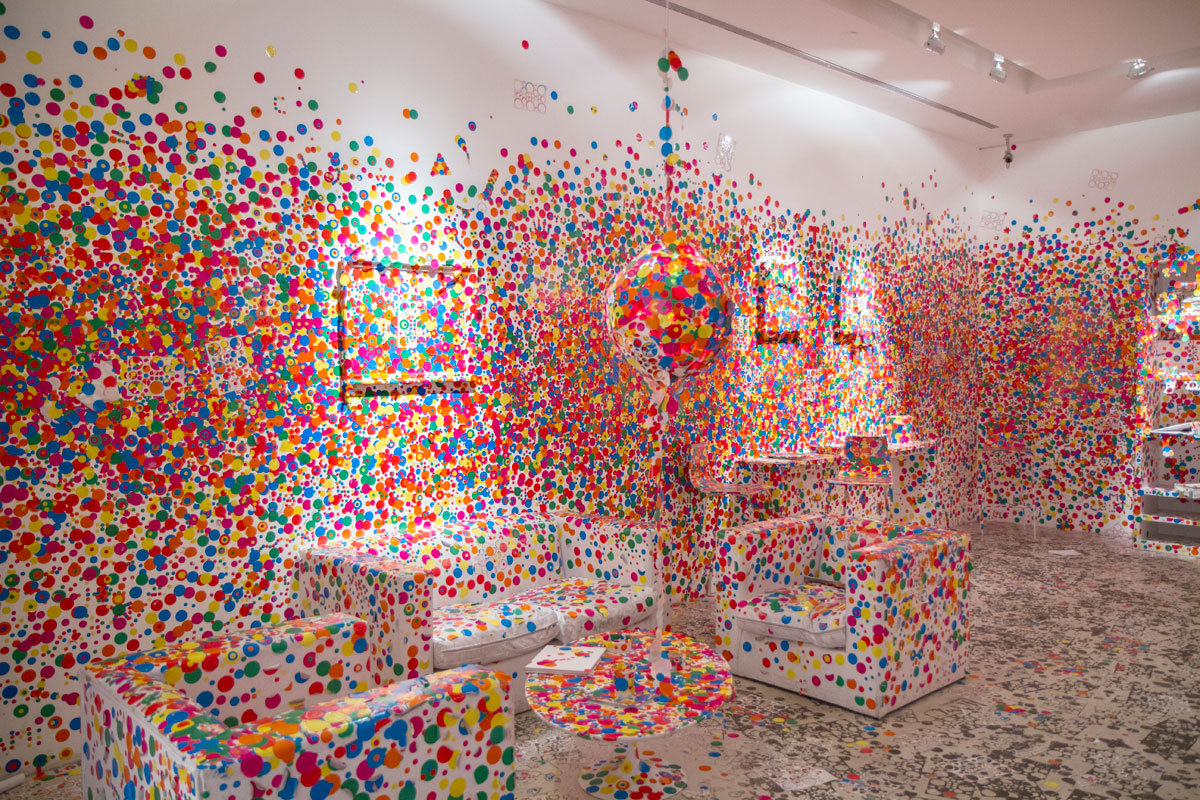
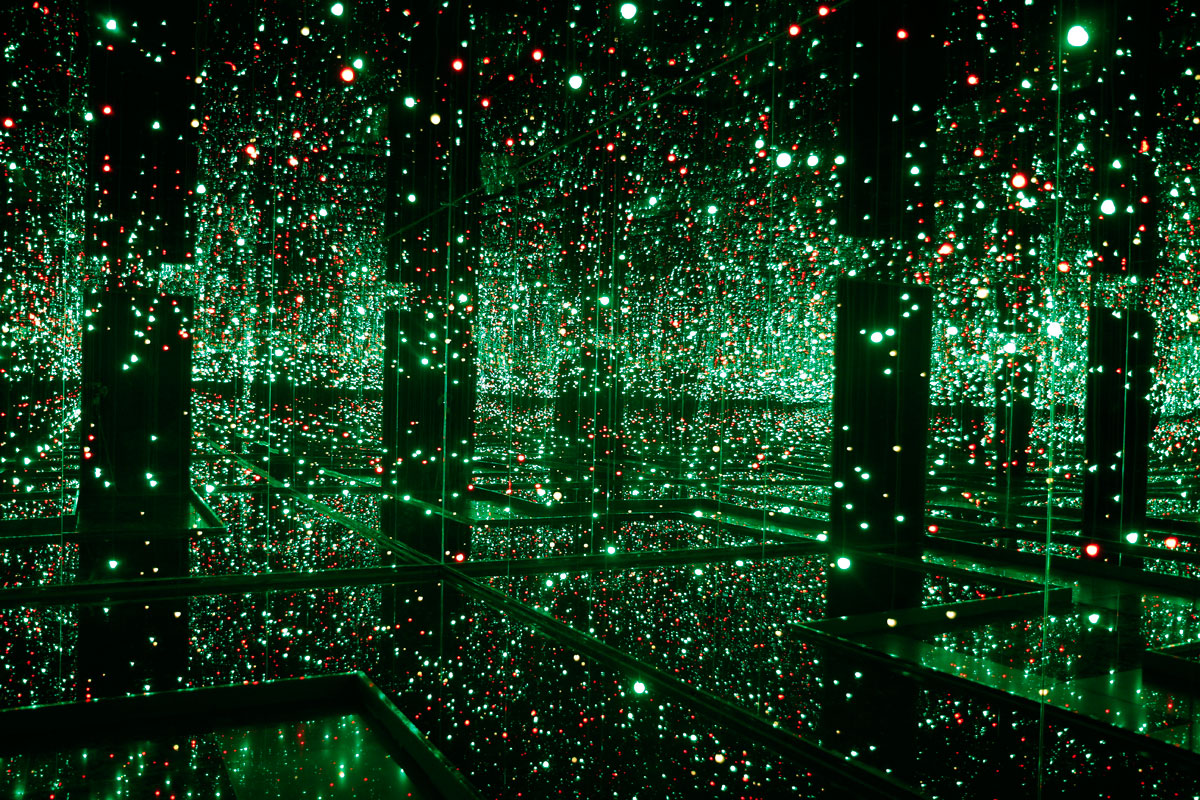
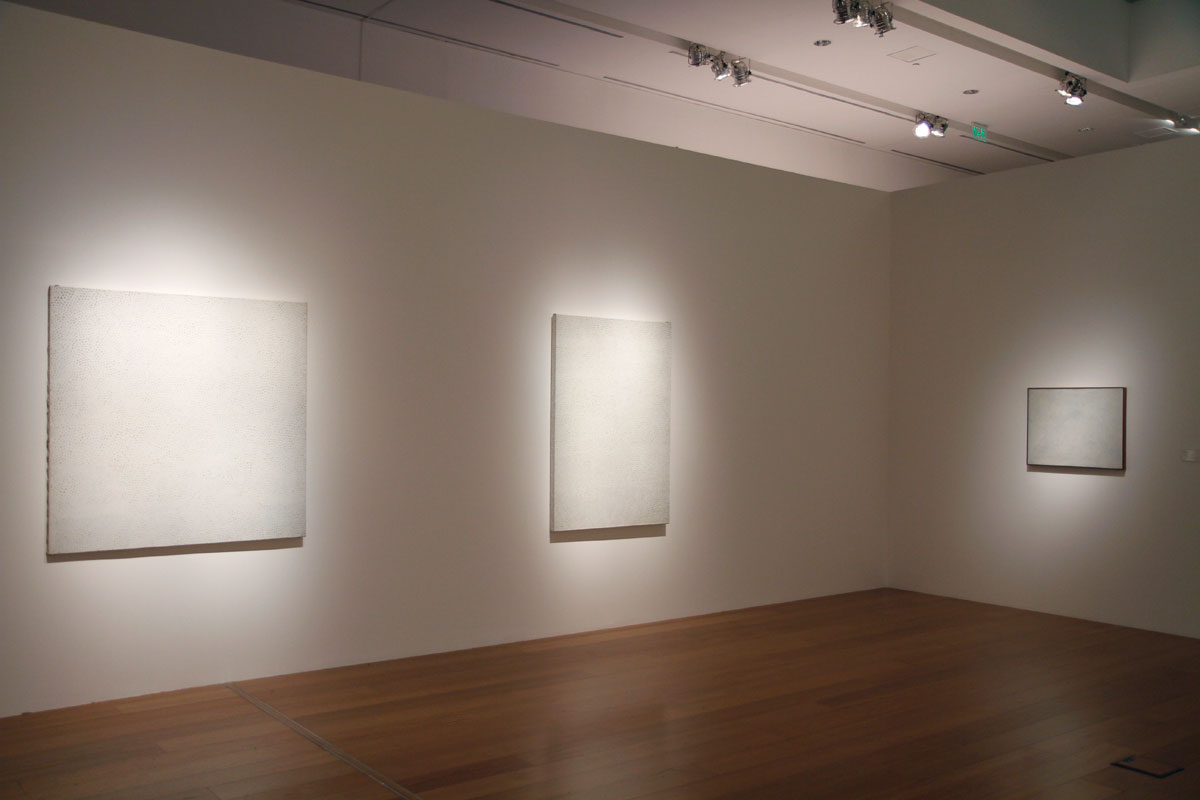
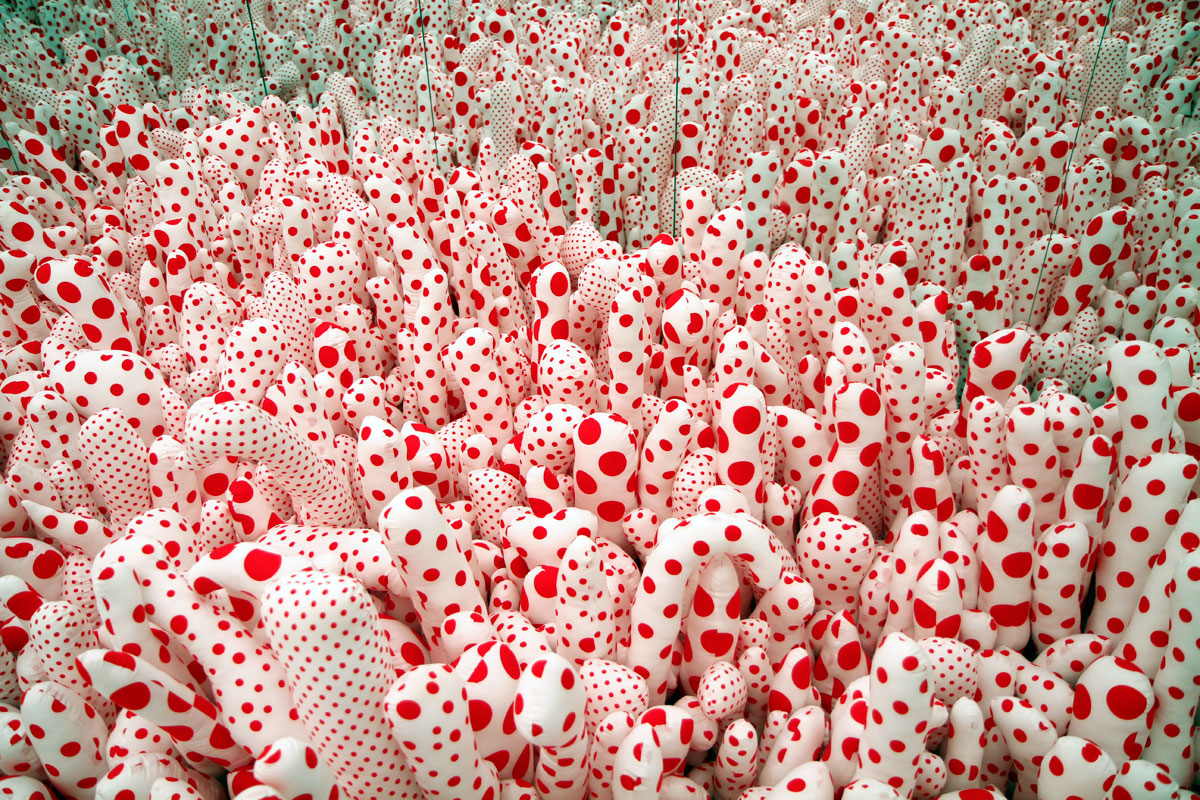
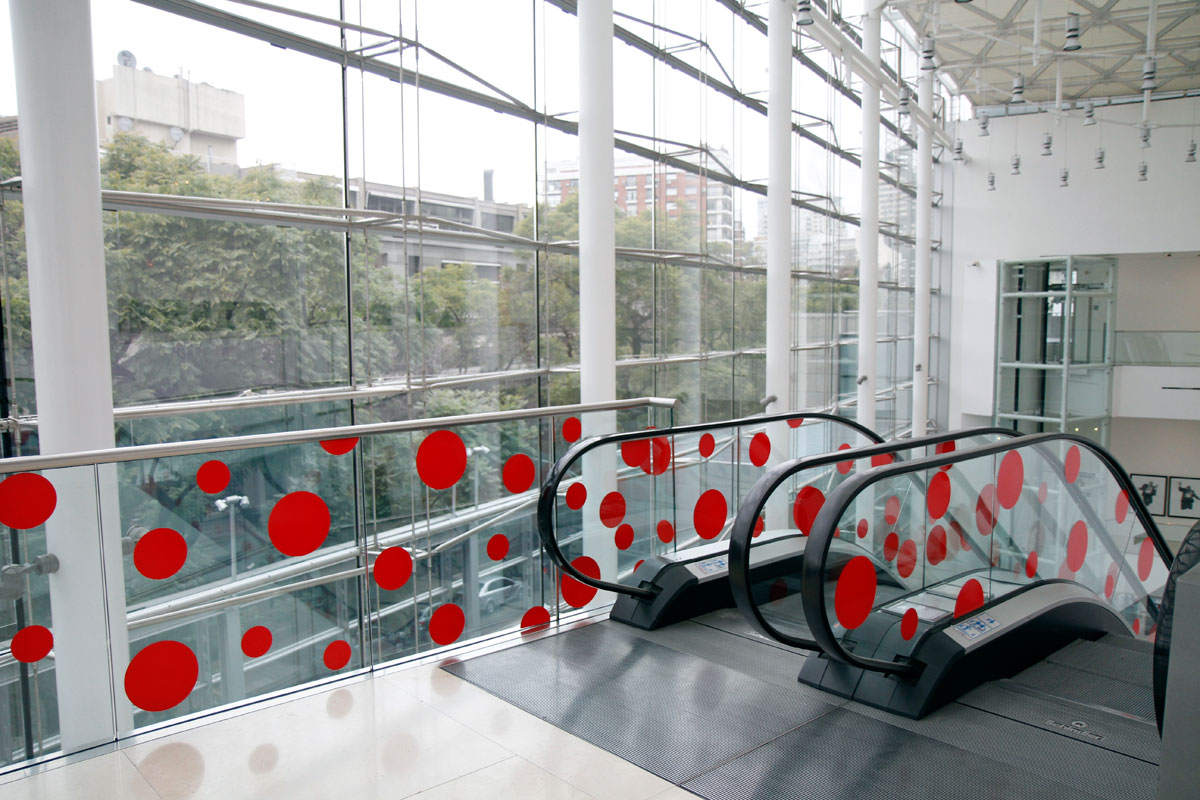
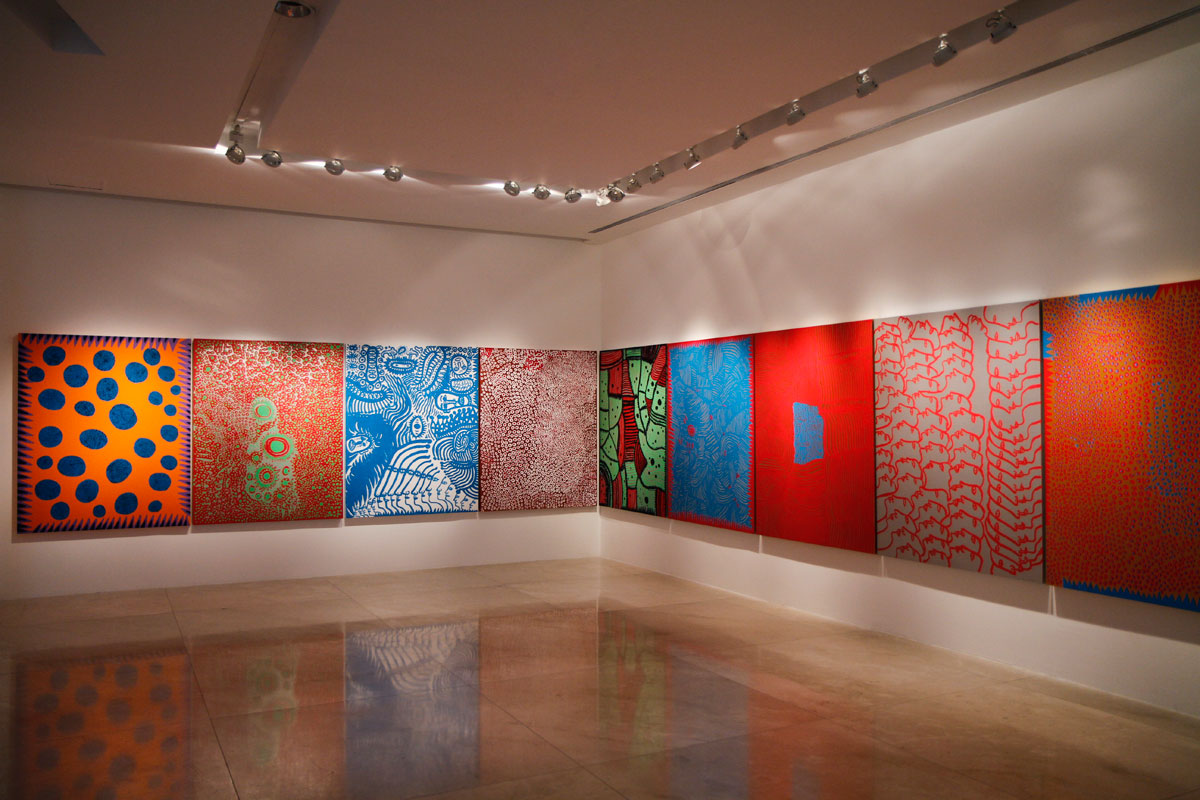
First retrospective exhibition in Latin America of the greatest living Japanese artist. Organized by Malba – Fundación Costantini, in collaboration with the artist's studio, the exhibition presents a comprehensive overview of more than 100 works created between 1950 and 2013, including paintings, works on paper, sculptures, videos, slideshows, and installations.
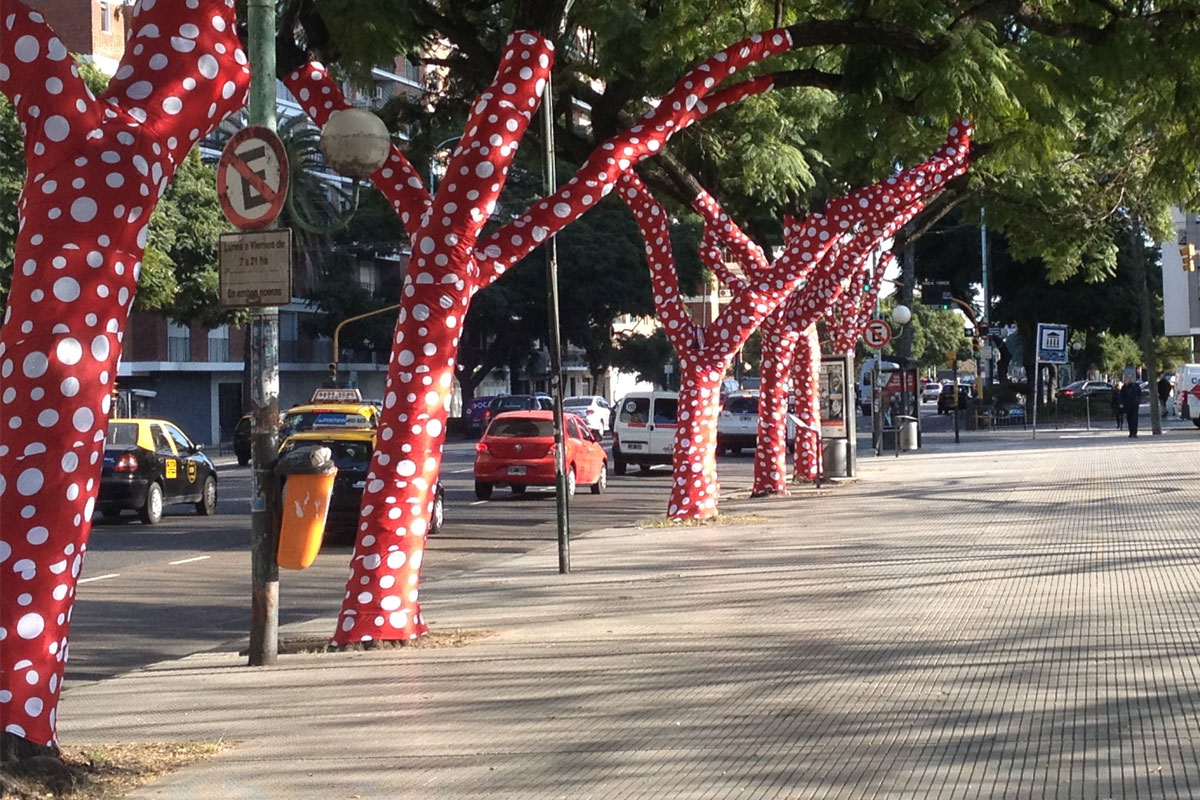
Curated by Philip Larratt-Smith (Deputy Chief Curator, Malba, Buenos Aires) and Frances Morris (curator of the Kusama retrospective at Tate Modern, London), the exhibition presents the artist's career, spanning from the private to the public sphere, from painting to performance, from the studio to the street.
To accompany the exhibition, Malba published a special volume in Spanish and English. The book includes a section of color illustrations of the works in the exhibition, essays by Larratt-Smith and Frances Morris, and a visual chronology of the artist's life.
Also as part of the exhibition, and as a continuation of the collaboration launched with Tracey Emin's book Proximidad del amor, Malba and Mansalva published the book Acacia olor a muerte with two short stories and a novella written by Kusama, in their first Spanish translation by Anna Kazumi Stahl and her mother, Tomiko Sasagawa Stahl.
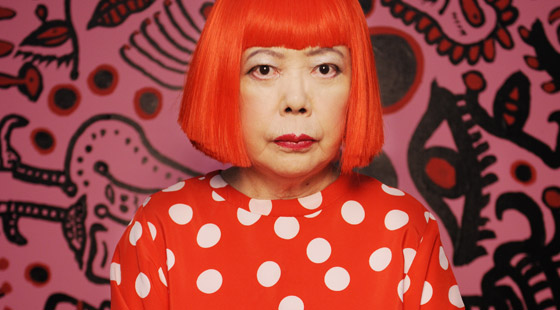
Yayoi Kusama
She was born in Matsumoto, Japan, in 1929. After a poetic series of semi-abstract works on paper that marked her beginnings in the 1940s, Kusama created the famous Infinity Net series in the late 1950s and early 1960s. These highly original works are characterized by the obsessive repetition of small arcs of paint that accumulate on large surfaces in rhythmic patterns. Kusama's move to New York in 1957, where she met Donald Judd, Andy Warhol, Claes Oldenburg, and Joseph Cornell, marked a milestone in her artistic career. She moved from painting to soft sculptures known as Accumulations and then to live performances and happenings, clear examples of New York's alternative culture, which earned her recognition and notoriety on the local art scene.
In 1973, Kusama returned to Japan, and in 1977 she voluntarily checked herself into a psychiatric clinic, where she has resided ever since. In addition to the marked psychological peculiarity of her work, there is a wide spectrum of formal innovations and reinventions that allow the artist to share her unique vision with a broad audience through the infinite mirrored spaces and obsessively dotted surfaces that have brought her international fame. In more recent works, Kusama has reconnected with her most radical instincts in immersive installations and collaborative pieces, works that have made her Japan's most celebrated living artist.