Event Details
This event finished on 25 February 2019
- Categories: Exhibitions
- Tags: Plantilla histórica
11.23.18 — 02.25.19
Opening: Thursday, November 22, 7:00 p.m.
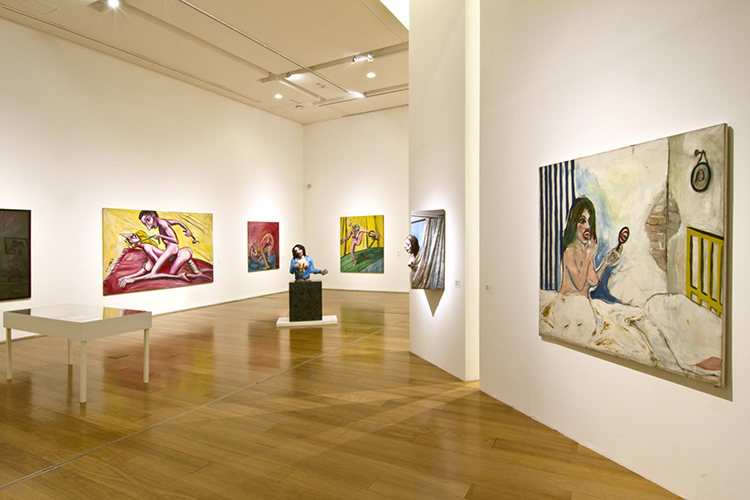
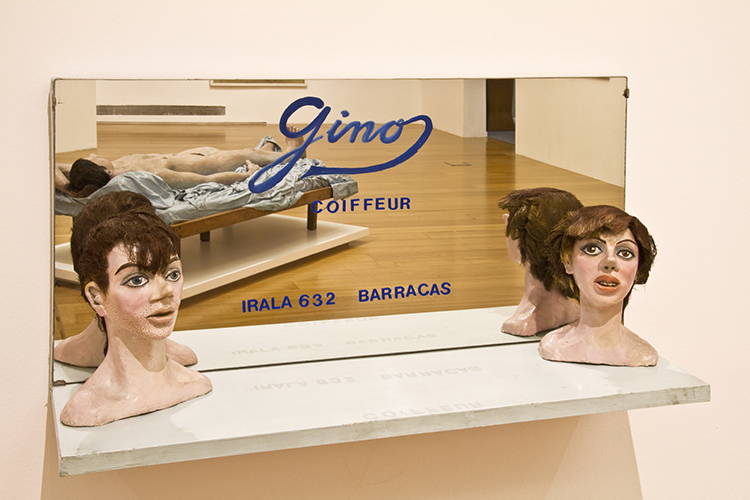
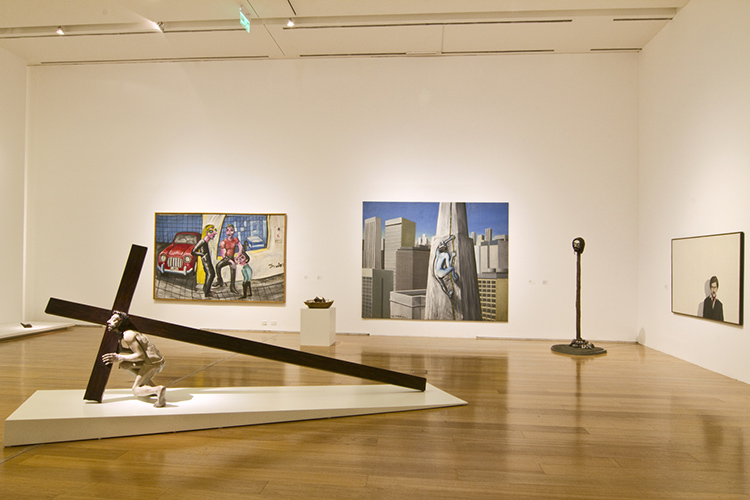
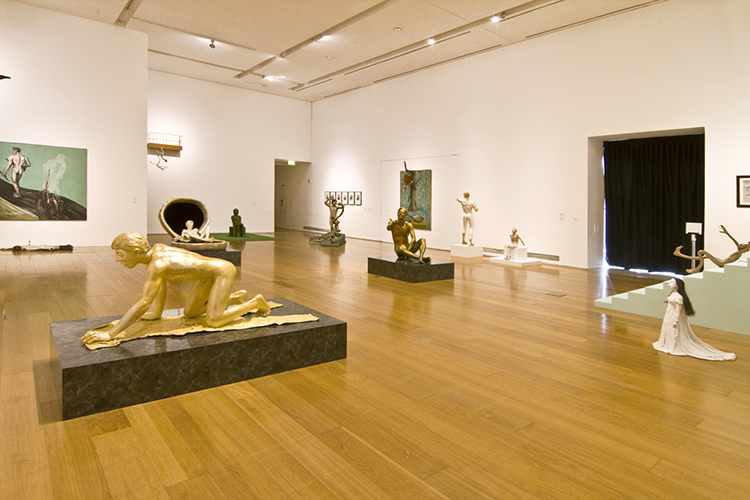
Retrospective exhibition of Pablo Suárez (Buenos Aires, 1937-2006), a central figure of the local scene in Buenos Aires over four decades, from the 60s to the 2000s. The exhibition brings together a selection of 100 works, including paintings, drawings, objects and sculptures, as well as archival material never seen before that come up from the research project carried out by the curators, Jimena Ferreiro and Rafael Cippolini, together with the Curatorial Department of the museum.
The project focuses on the issues addressed by Pablo Suárez and his particular discursive enunciation –where "the plebeian" prevails– as the perversion of the form and symptom of the degraded culture. This personal inscription will be an invitation to analyze the personal mythology of Suárez in relation to his images and his place in the history of Argentine art, central and marginal at the same time. The exhibition also highlights the influences between Suarez and other generations, a central aspect to understand his legacy.
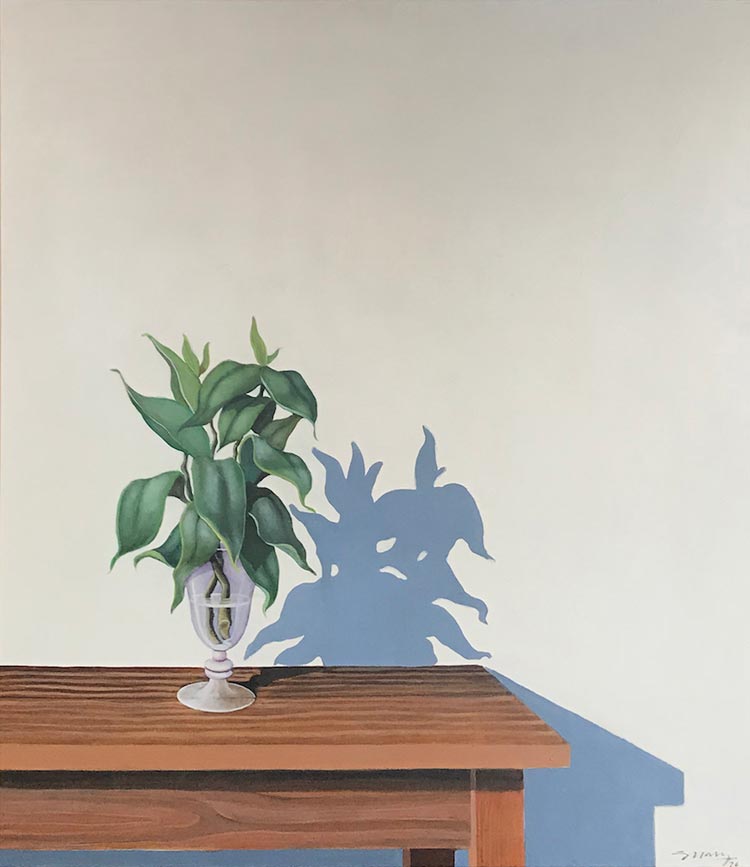
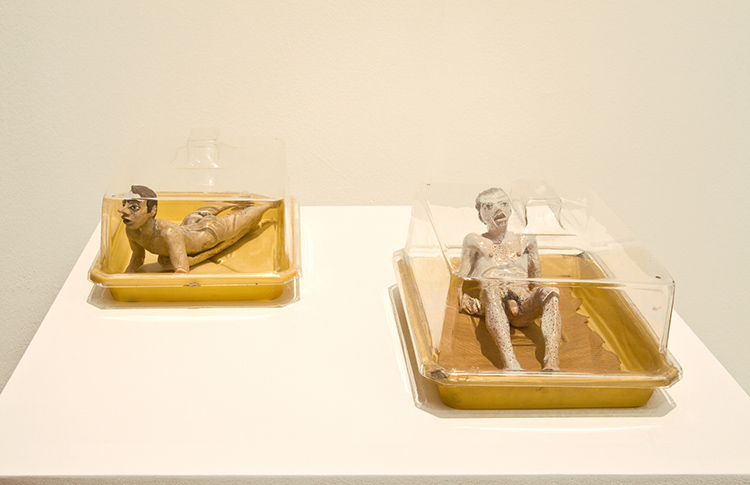
Curators: Jimena Ferreiro and Rafael Cippolini. Images: El papelón (2003) and Florero con hojas (1976).
Guided Tours
Thursdays, Fridays and Sundays at 5:00 p.m.
Catalogue
On the occasion of the exhibition, Malba will publish a monographic book dedicated to the artist, featuring reproductions of all the works represented in the exhibition and valuable documentary material (photographs, personal texts and personal documents) gathered for the first time as a result of this research. The publication will also bring together important texts on Suárez's work: two essays by the curators, Jimena Ferreiro and Rafael Cippolini; a text by the writer Gabriela Cabezón Cámara, focusing on the gaucho imagery in his work; and an interview by historian Laura Batkis—a personal friend of the artist—based on hundreds of hours of recordings of conversations between the two, from 1994 until his final days. Finally, a biography and bibliographic appendix will be included, making this the first comprehensive reference publication on his work.
In the Press
Pablo Suárez, el artista que retrató la era del narcisismo
By Celina Chatruc
La Nación, 20/11/18
Pablo Suárez: un vanguardista en los bordes
By Ana María Battistozzi
Revista Ñ, 16/11/18
Aterrador y gracioso, estético y de denuncia:
imposible ser indiferente en la muestra de Pablo Suárez
By Daniela Pasik
Clarín, 24/11/18
El erotismo popular
Página 12, 25/11/18
El clásico, el descarado, el sensible, el provocador:
todos los Pablo Suárez que habitaron en el genial artista
By Luciano Sáliche
Infobae, 24/11/18
Inaugura una retrospectiva de Pablo Suárez en el MALBA
By Marcelo Pajaró
Perfil, 22/11/18
Enciclopedia Suárez
The Breve Enciclopedia Suárez (Suárez Brief Encyclopaedia) is an online project developed by Malba's Communications Department as part of the exhibition Pablo Suárez. Narciso plebeyo, based on some of the theses established by its curators, Jimena Ferreiro and Rafael Cippolini, and on research carried out specifically by the museum's Curatorial Department.
Its aim is to offer an interpretation of the history of contemporary Argentine art from Suárez's perspective. To this end, it presents a glossary of terms taken from texts written by the artist himself and other leading figures in the cultural scene from the late 1960s to the 2000s.
Pablo Suárez
Buenos Aires, 1937-2006
Throughout his career, Pablo Suárez used an array of materials, supports and media, including painting, sculpture and installation, to engage in an ongoing and incisive dialogue with the world around him. His first solo exhibition was held in 1961 at the Lirolay Gallery in Buenos Aires. It was presented by Alberto Greco. During the 1960s, he became one of the most important advocates of avant-garde art. He participated in the Experiencias Visuales at the Instituto Di Tella. Along with Oscar Bony, Roberto Jacoby, Ricardo Carreira, Margarita Paksa and others, he produced a political strain of art whose most powerful manifestation was the collective protest work *Tucumán Arde*, made together with artists from Rosario and Buenos Aires.
In the 1980s he was part of Nueva Imagen and Periferia groups; and in the 1990s he exerted a great influence on the artists linked to the Rojas Cultural Center and the Taller de Barracas, where he worked as a teacher together with Luis F. Benedit. In 1987, he was granted the Premio Gunther for Painting. In 1992, he was awarded a Diploma of Merit from the Premio Konex for new proposals in the field of the visual arts. In 1999, he was awarded the Premio Costantini. In 2000, he moved to Colonia del Sacramento, Uruguay. He died in Buenos Aires at the age of sixty-nine.
Selected individual exhibitions: “Pablo Suárez”, o “El prostíbulo”, o “El burdel”, Galería Lirolay (1964); “Pablo Suárez. Desde Mataderos”, Estudio Giesso (1984); “Pablo Suárez. De hombres y bestias”, Instituto de Cooperación Iberoamericana (ICI) (1993); “Pablo Suárez”, Museo Castagnino + macro, Centro Cultural Recoleta, Museo Caraffa, Museo Nacional de Bellas Artes Neuquén (2008). Selected group exhibitions: “Rodríguez Arias, Oscar Palacio, Pablo Suárez, Juan C. Stoppani”, Galería Lirolay (1964); “De Marziani, Martino, Suárez”, XVI Bienal de San Pablo (1981); “La Nueva Imagen, Juan José Cambre, Ana Eckell, Fernando Fazzolari, Guillermo Kuitca, Alejandro Prior, Armando Rearte, Juan Pablo Renzi, Pablo Suárez”, XVIII Bienal de San Pablo (1985); “Harte, Pombo, Suárez”, Centro Cultural Ricardo Rojas (1989); “Libero Badii, Edgardo Vigo, Pablo Suárez”, XXII Bienal Internacional de San Pablo (1994); “Memoria y libertad en el arte argentino del siglo XX”, Bienal de Venecia (2011).